🌐 English ▾

Terminal Crimping & Connector Assembly Machines

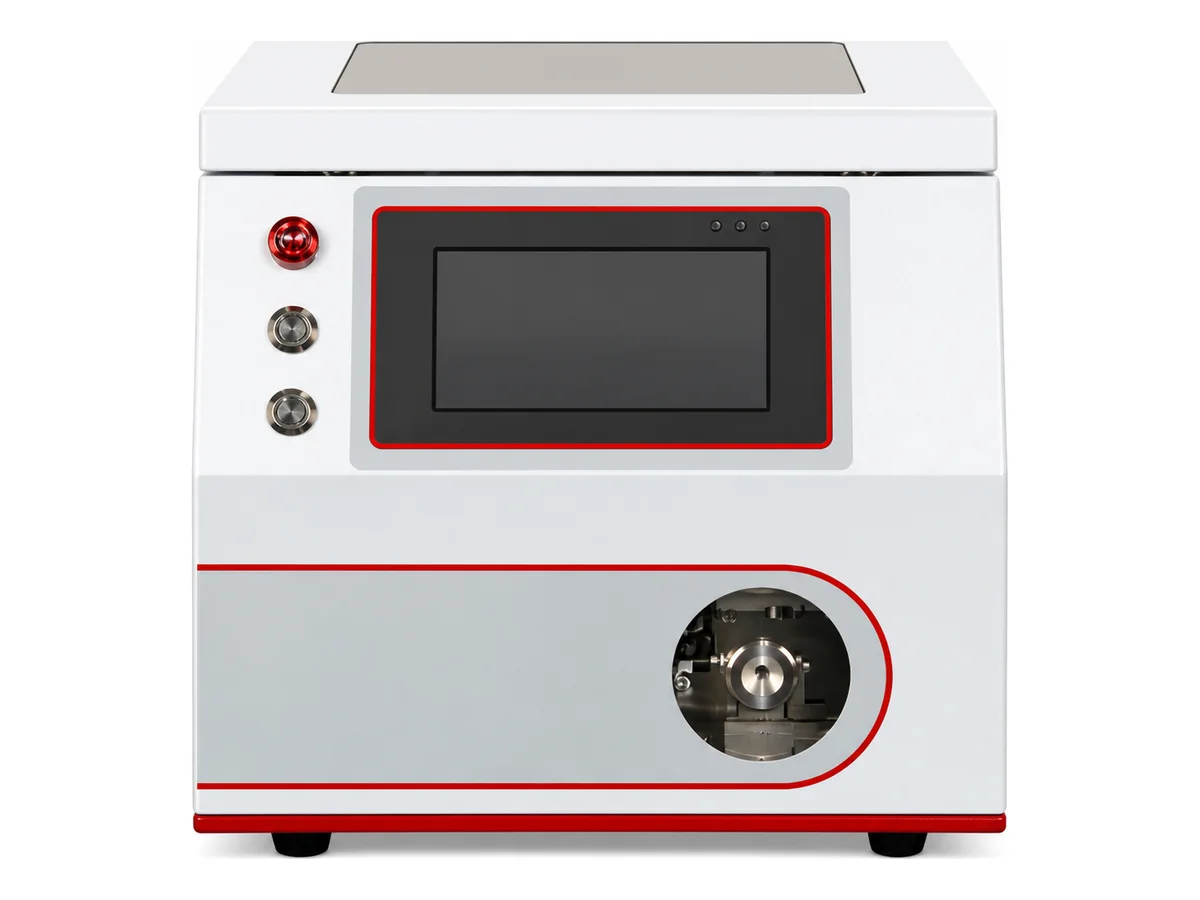
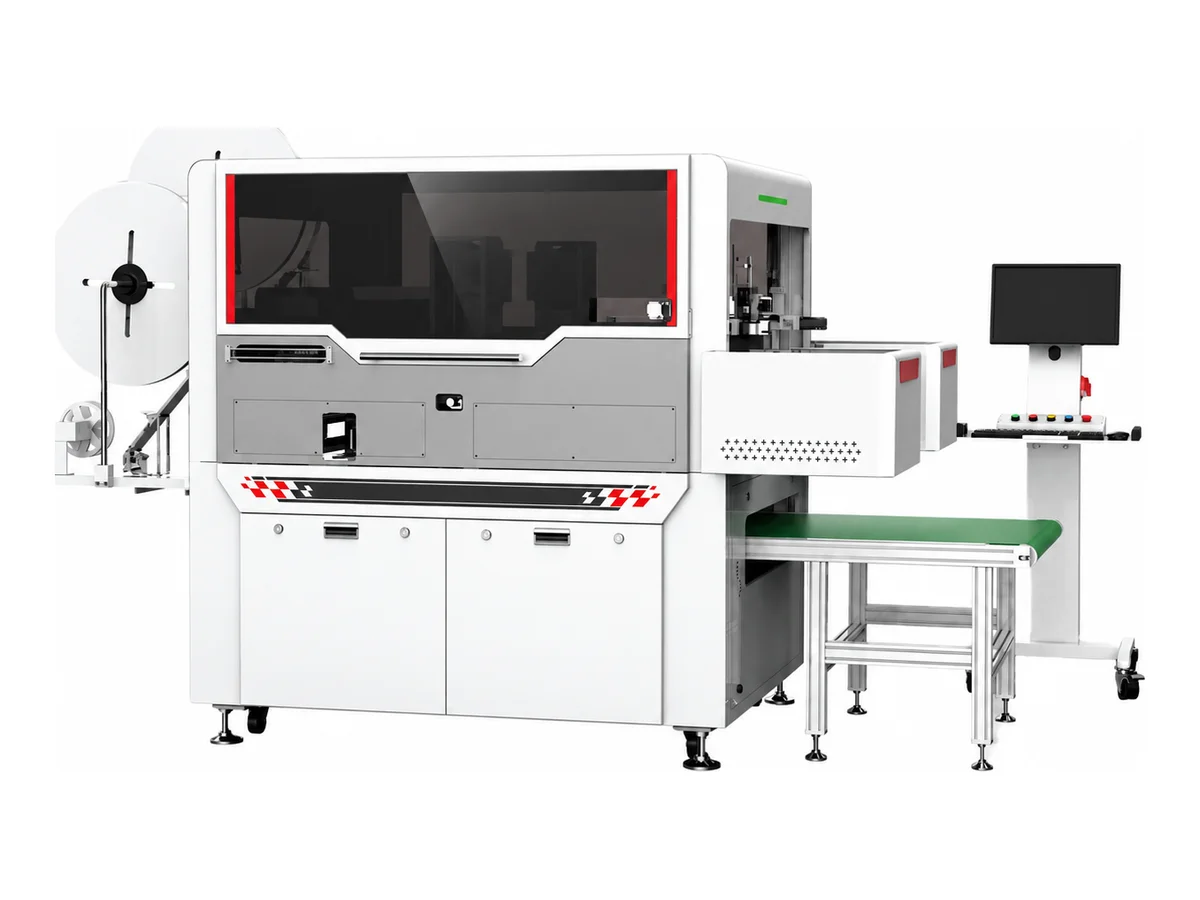
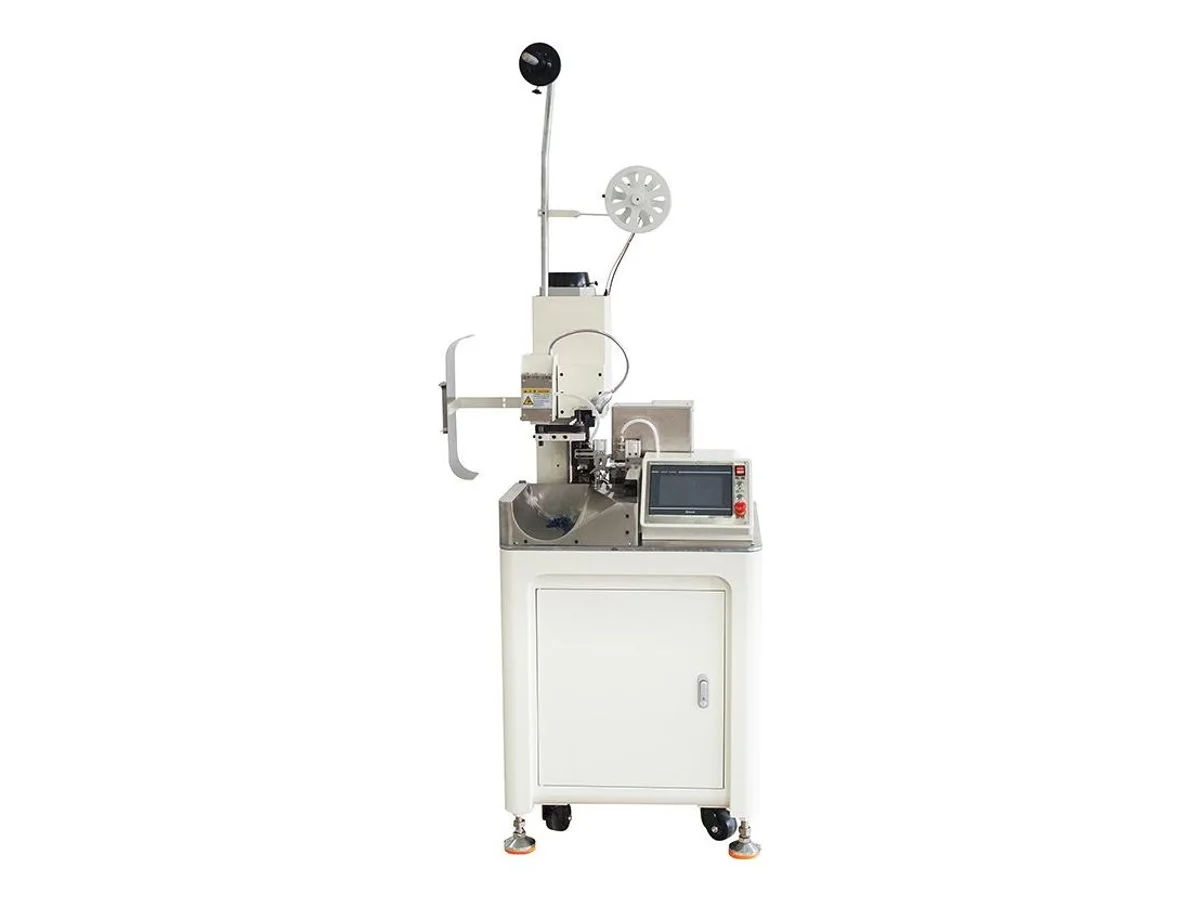
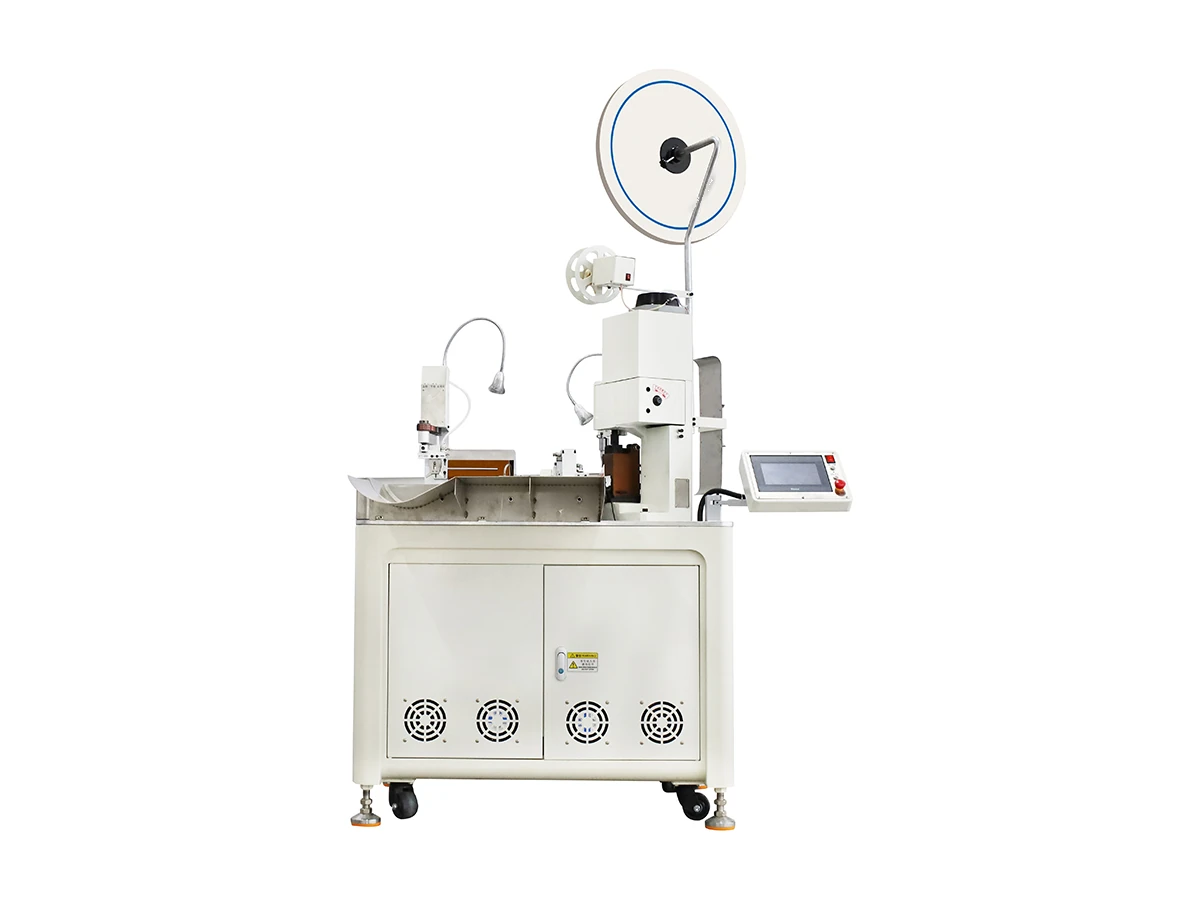
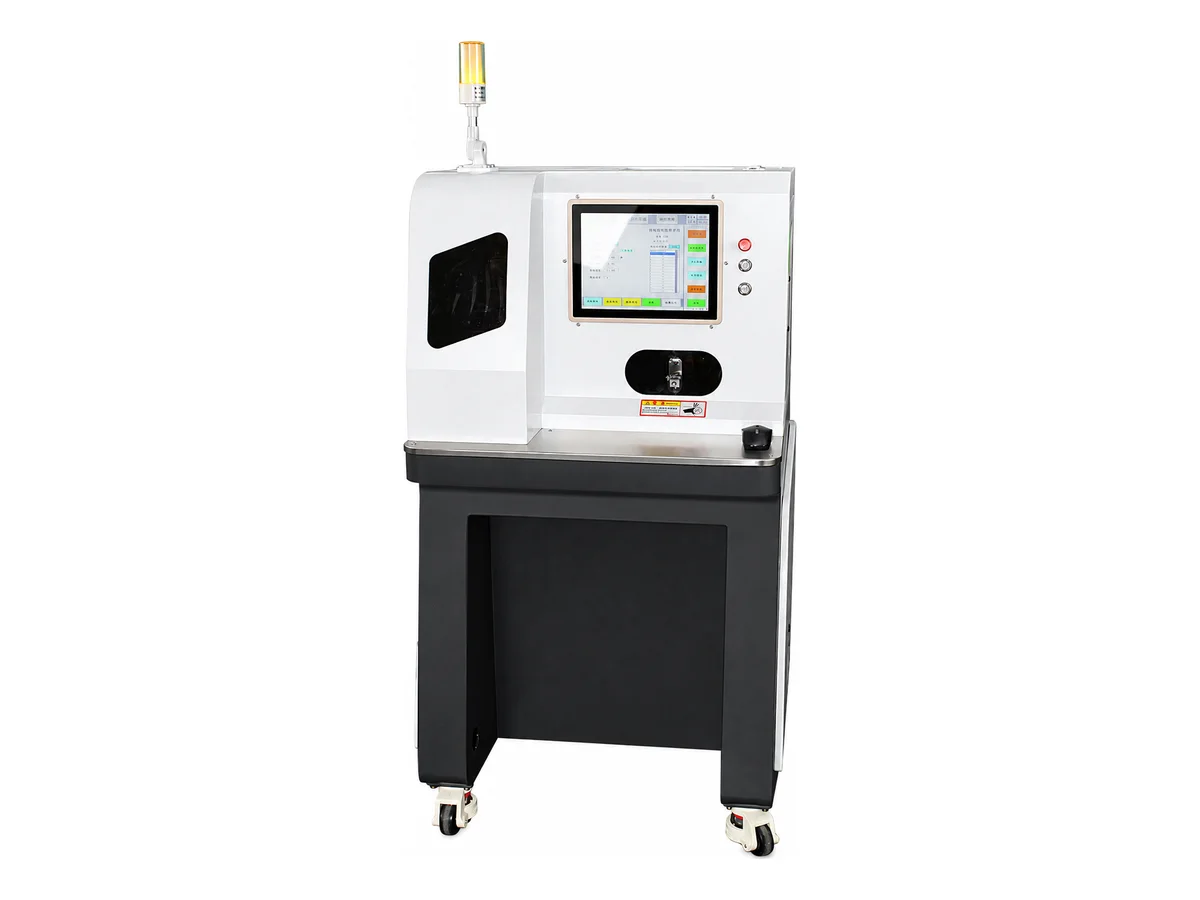
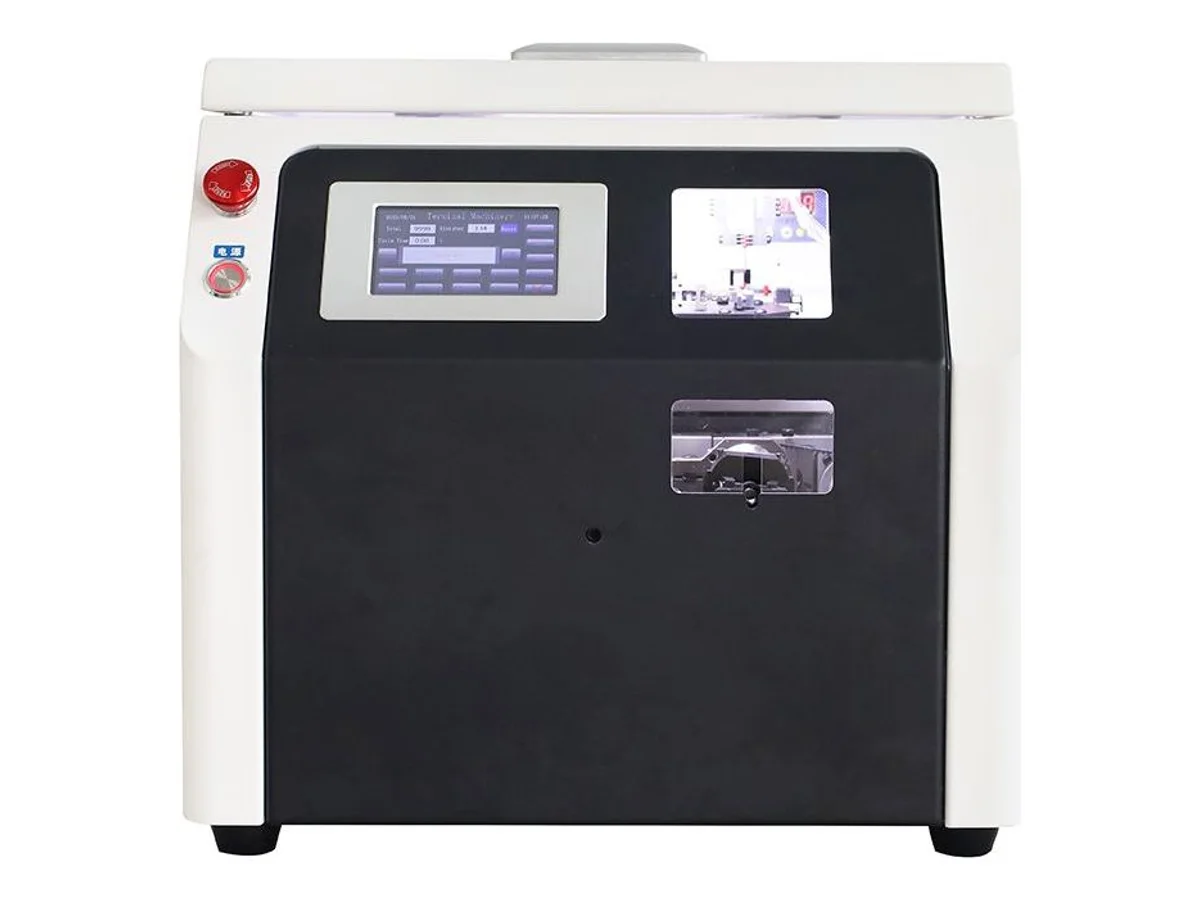
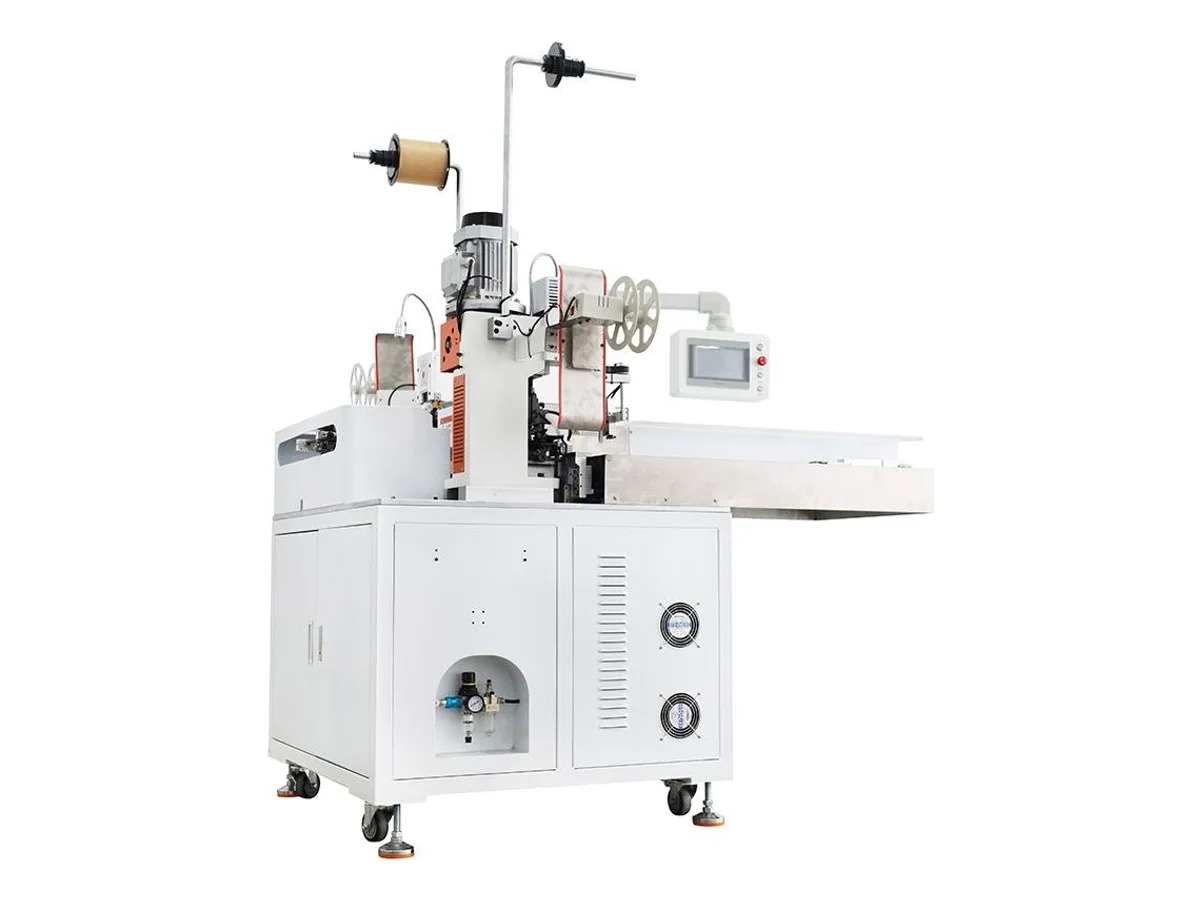
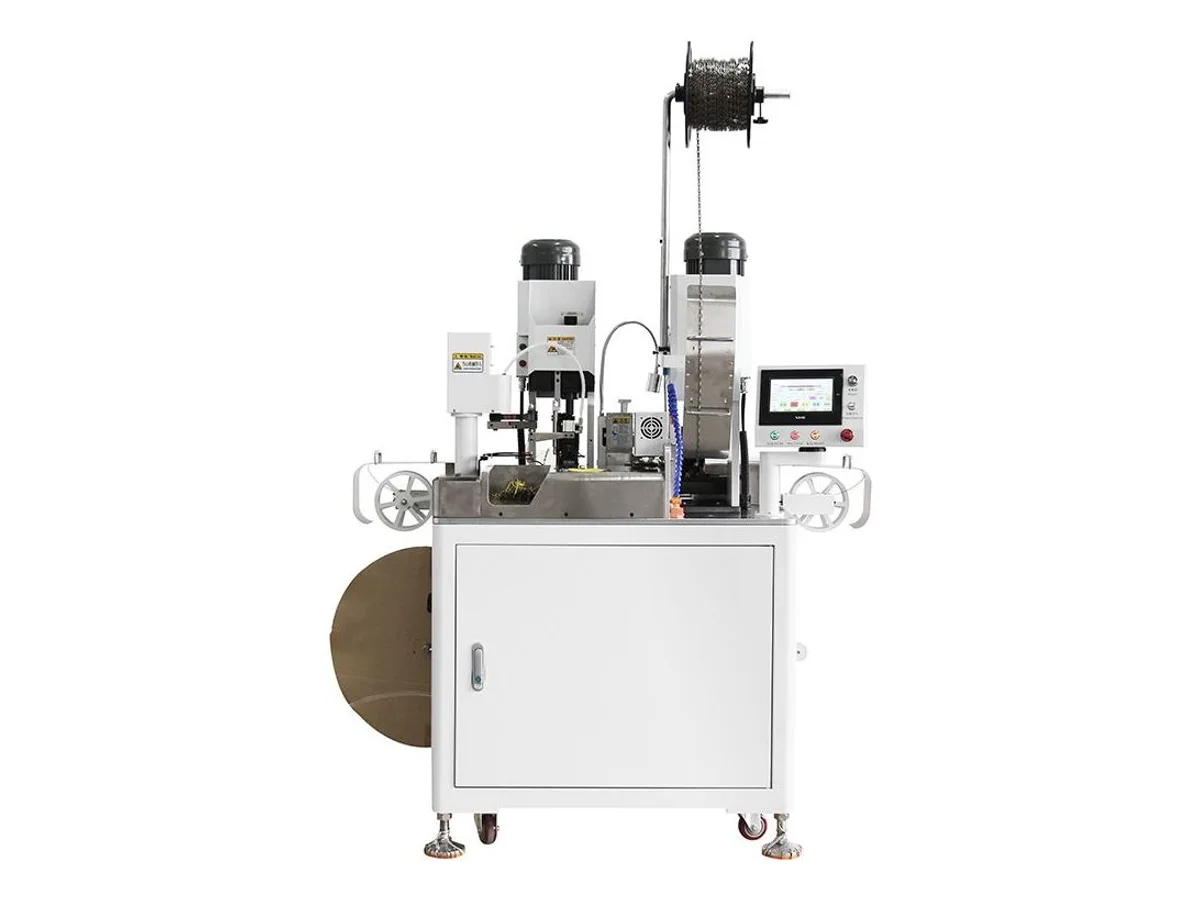
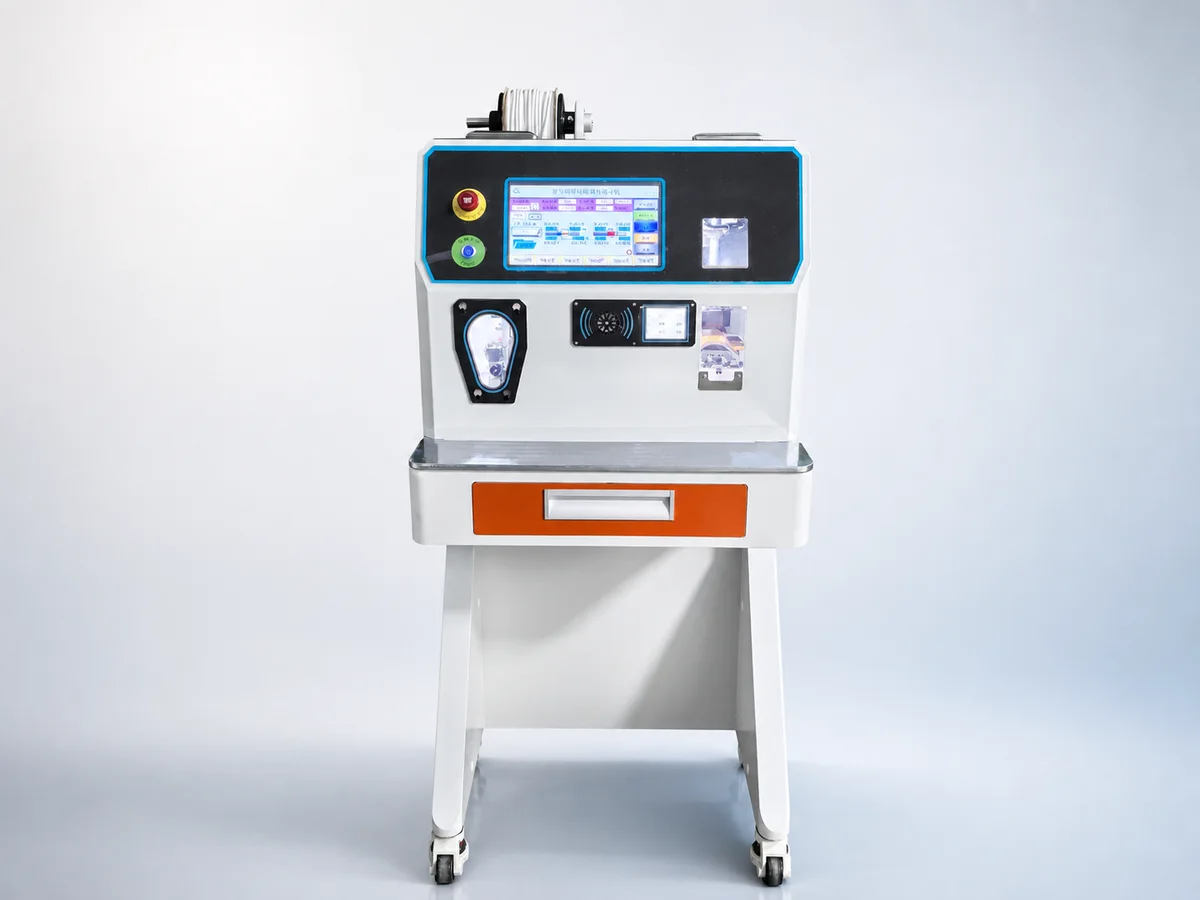
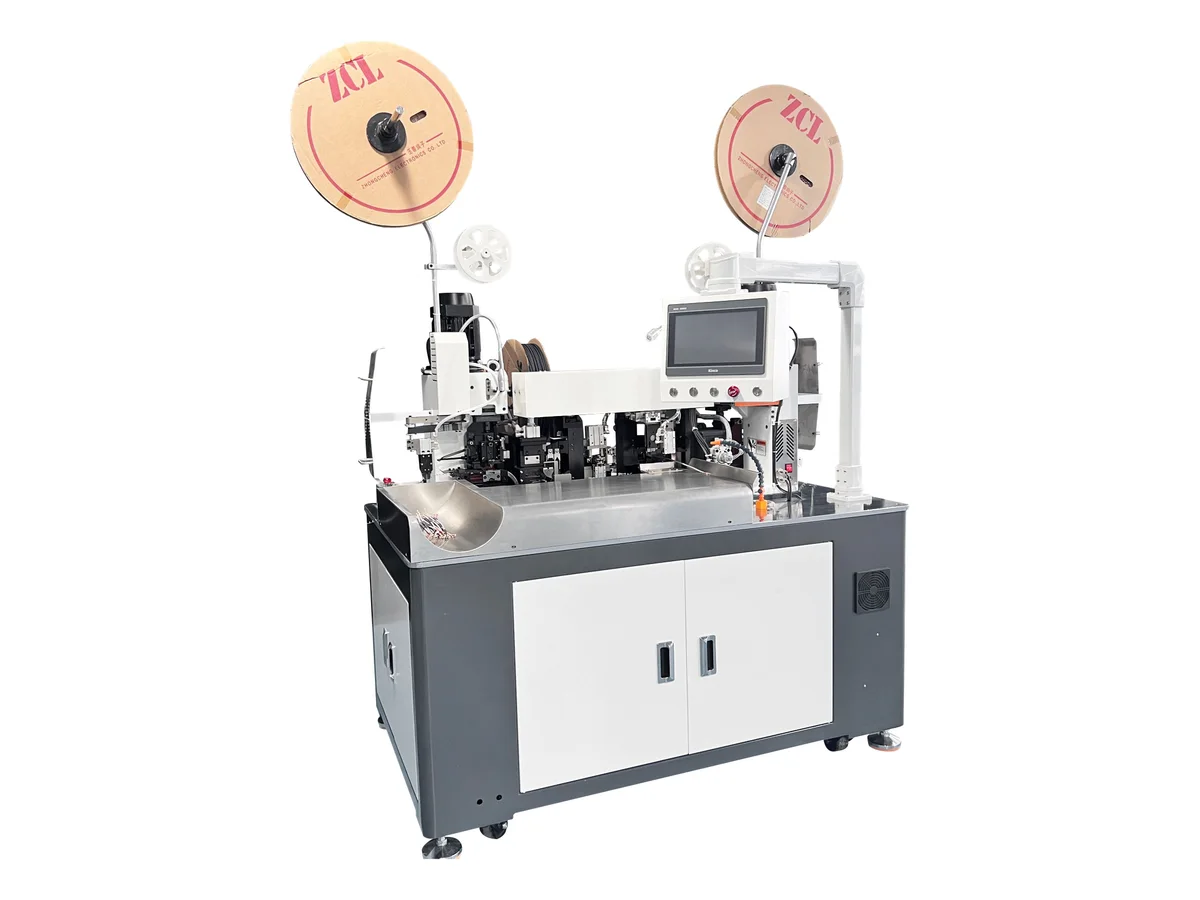
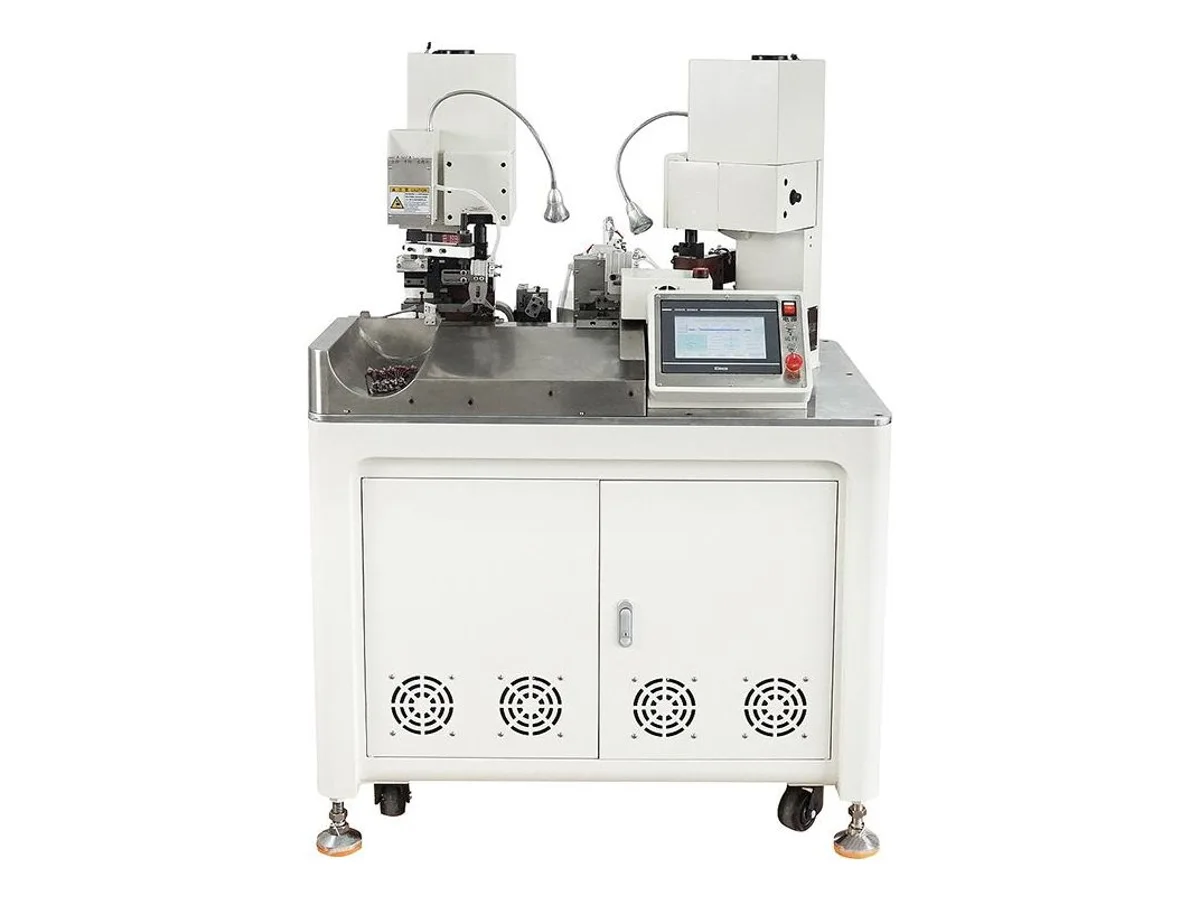
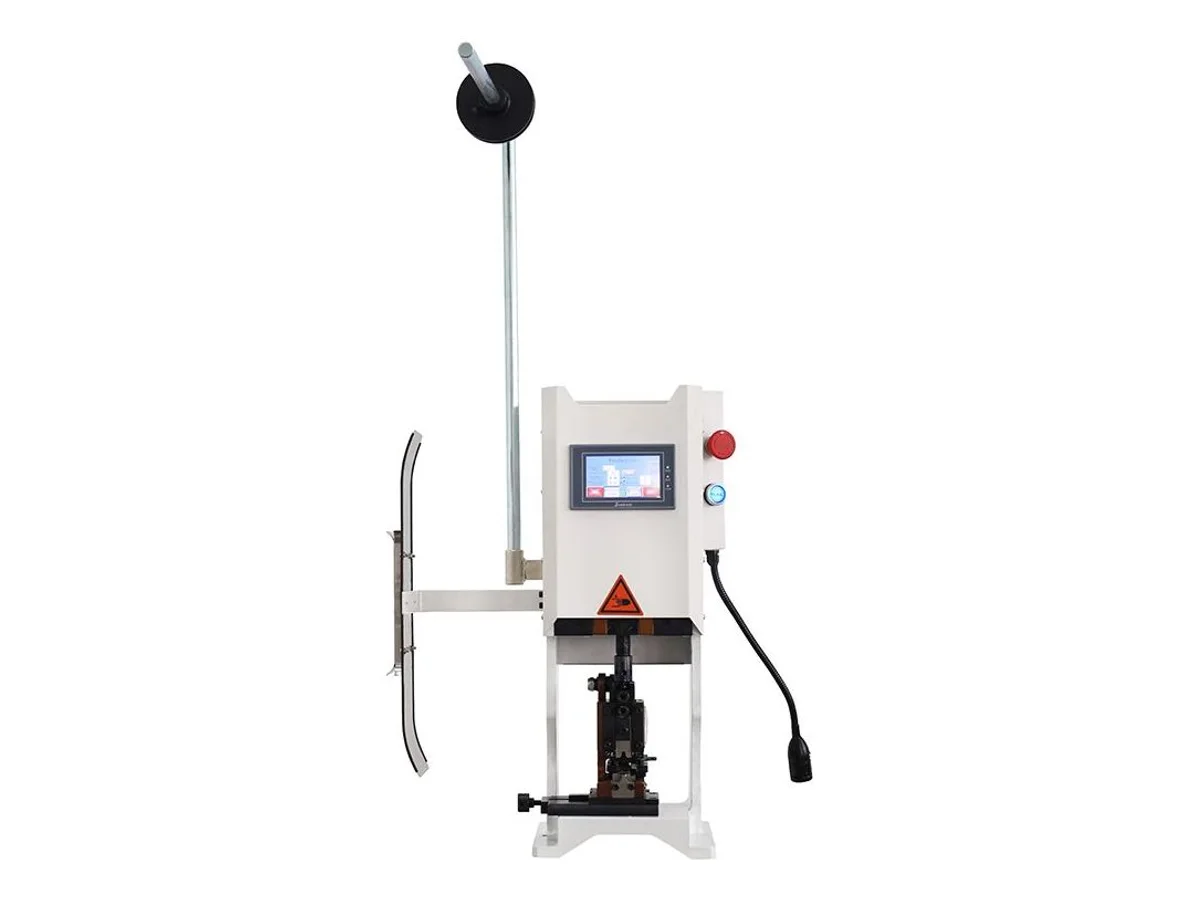
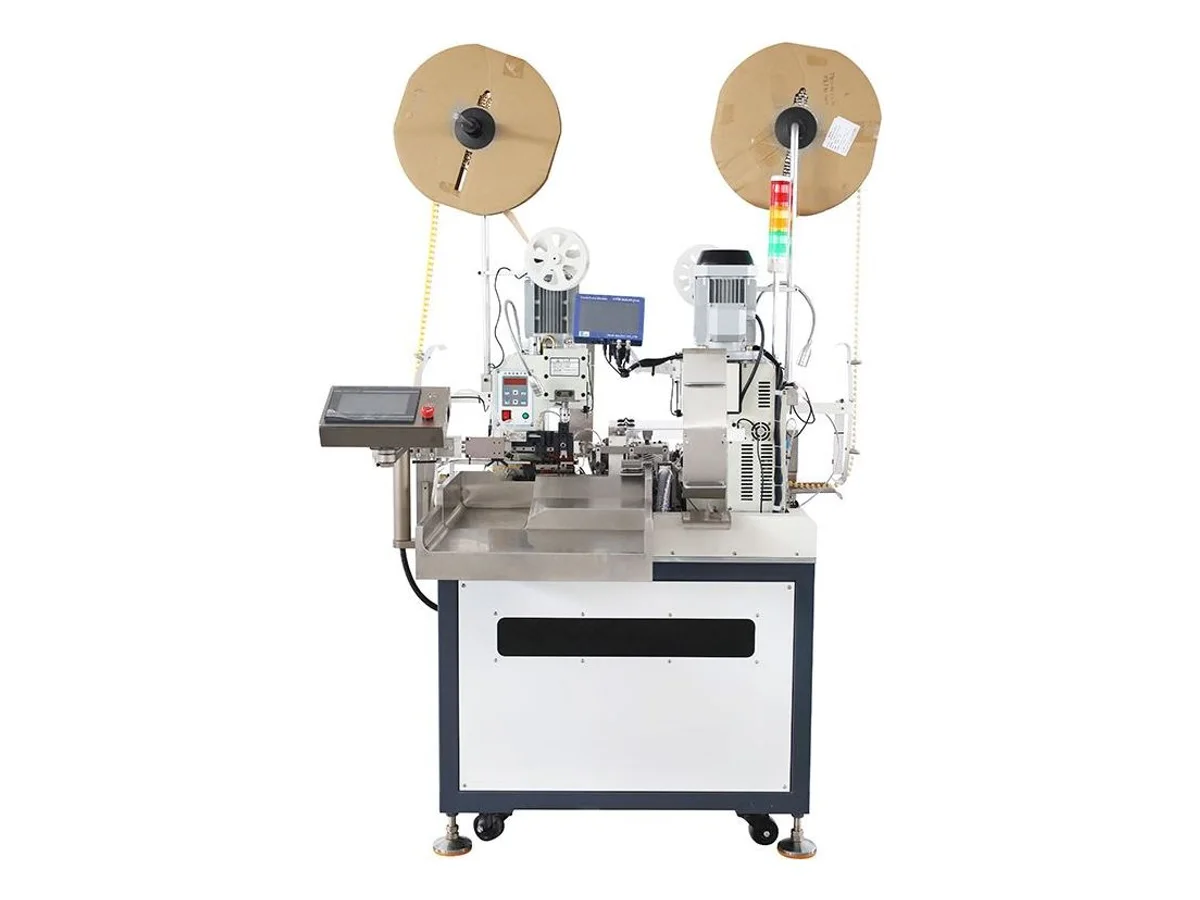
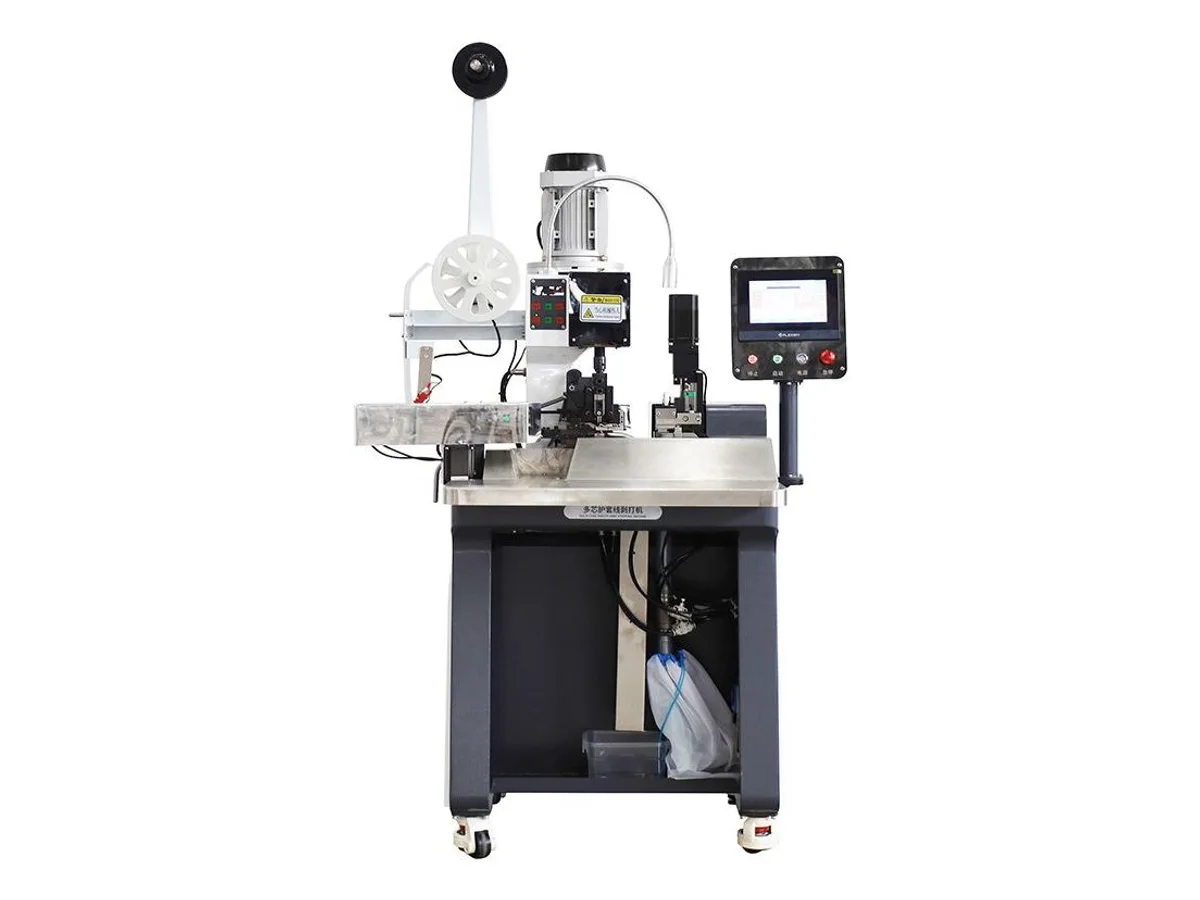
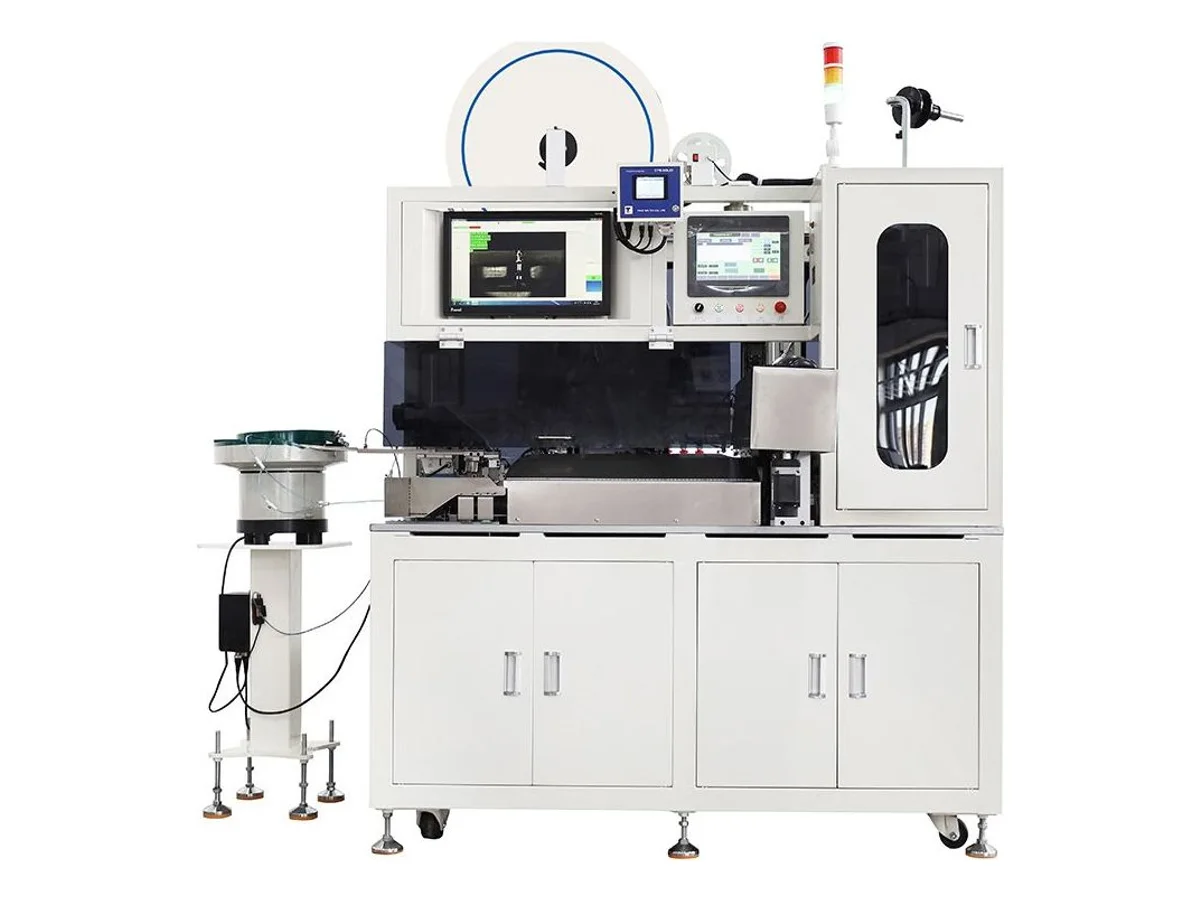
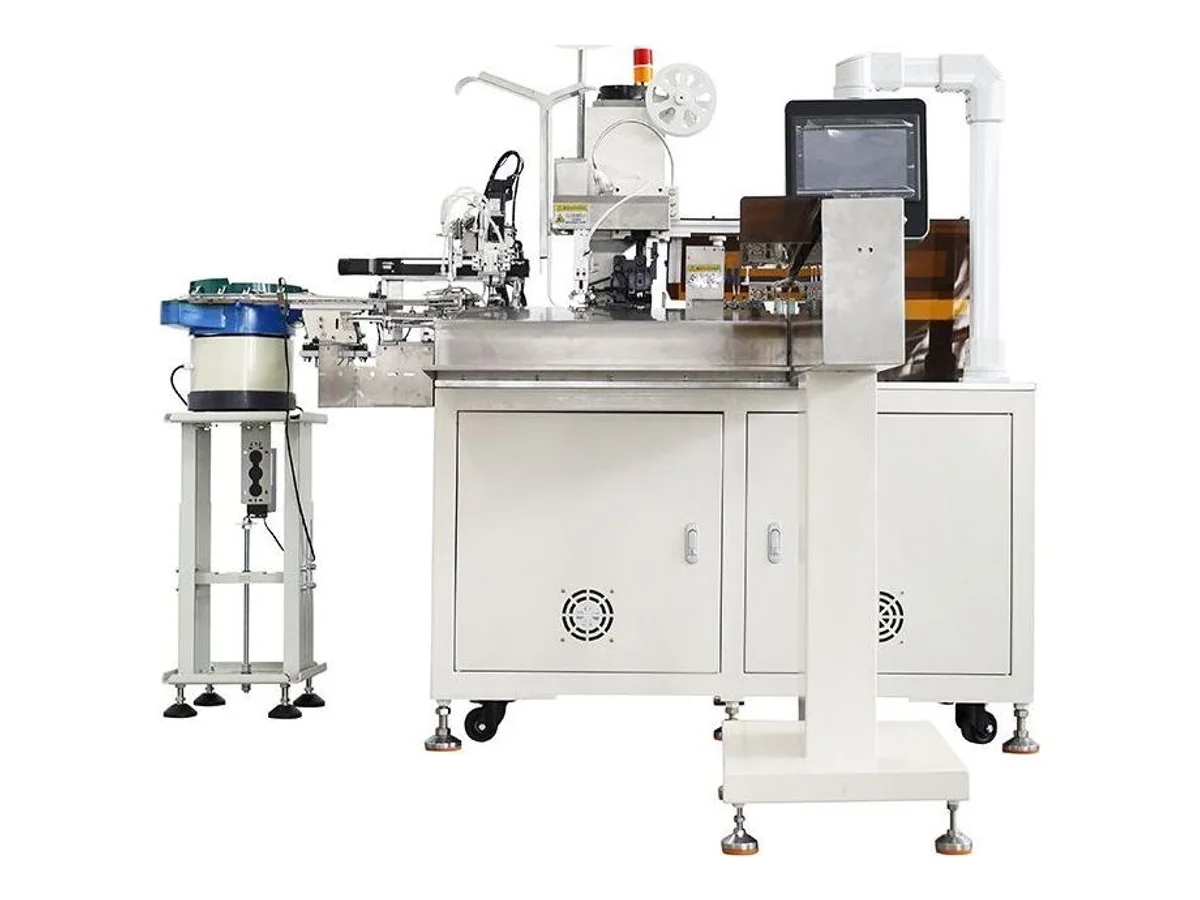
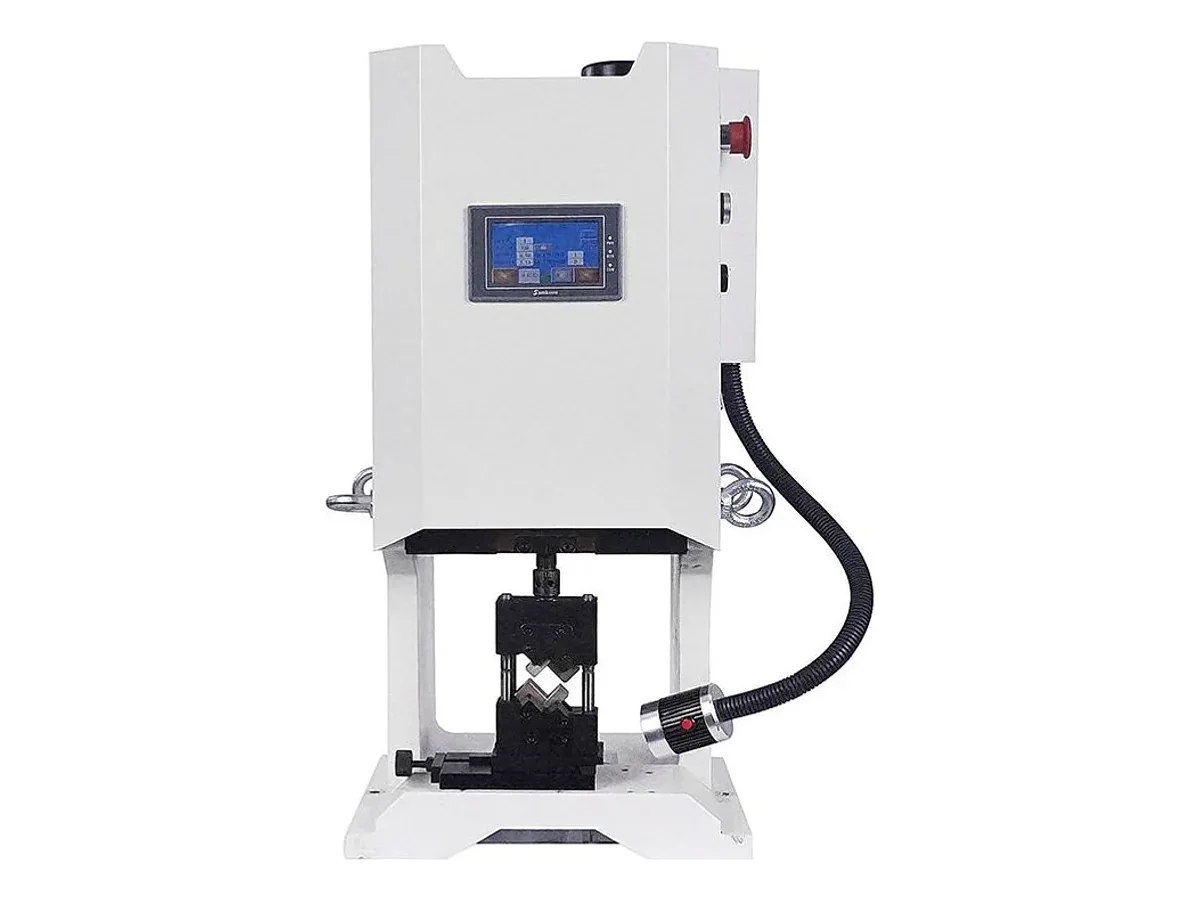
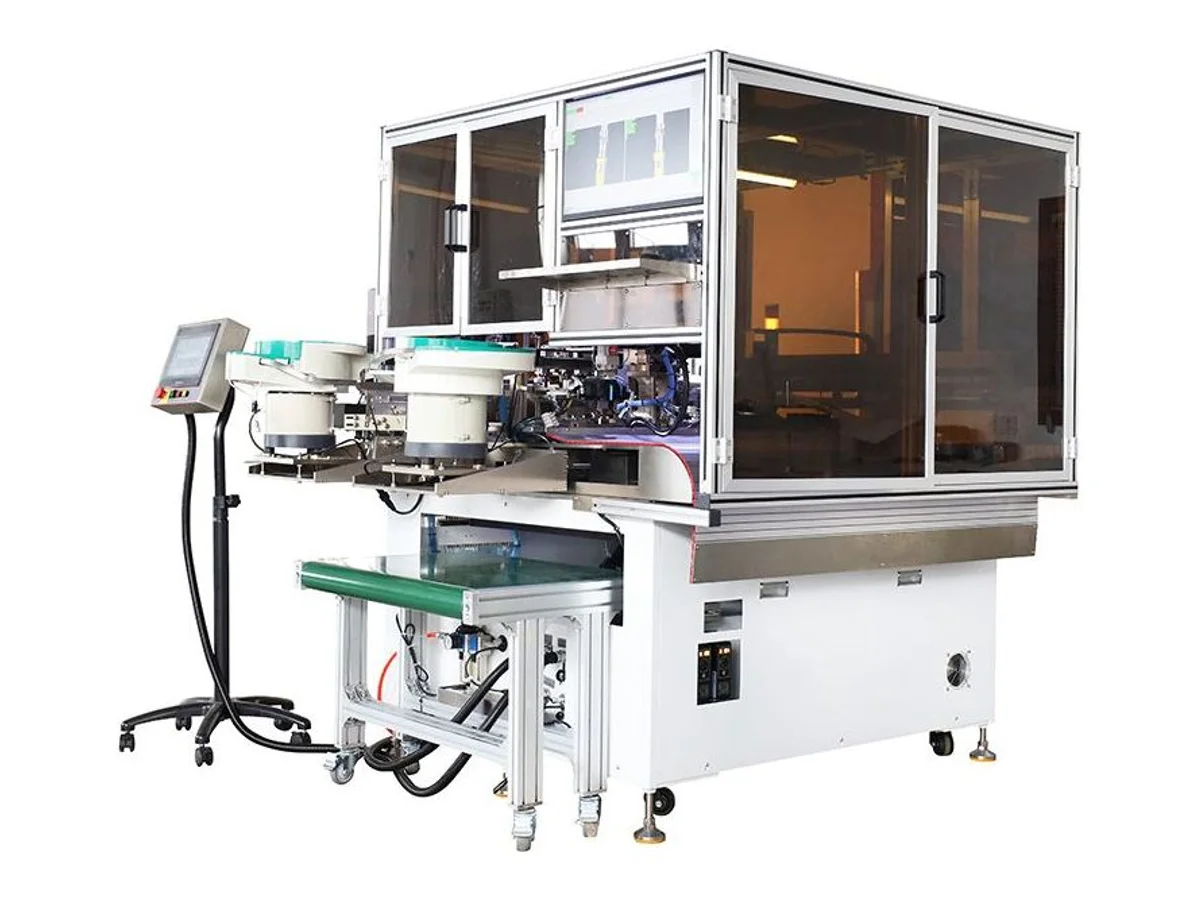
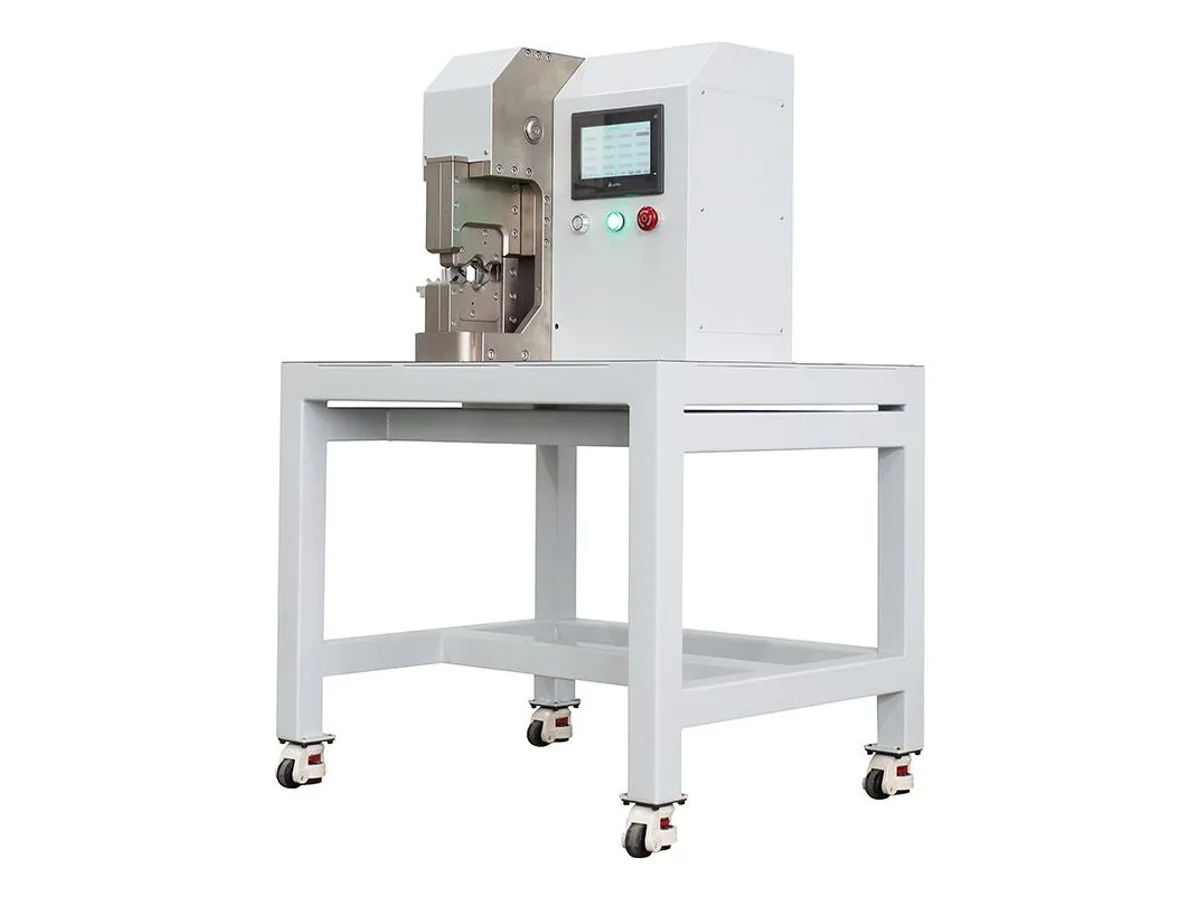
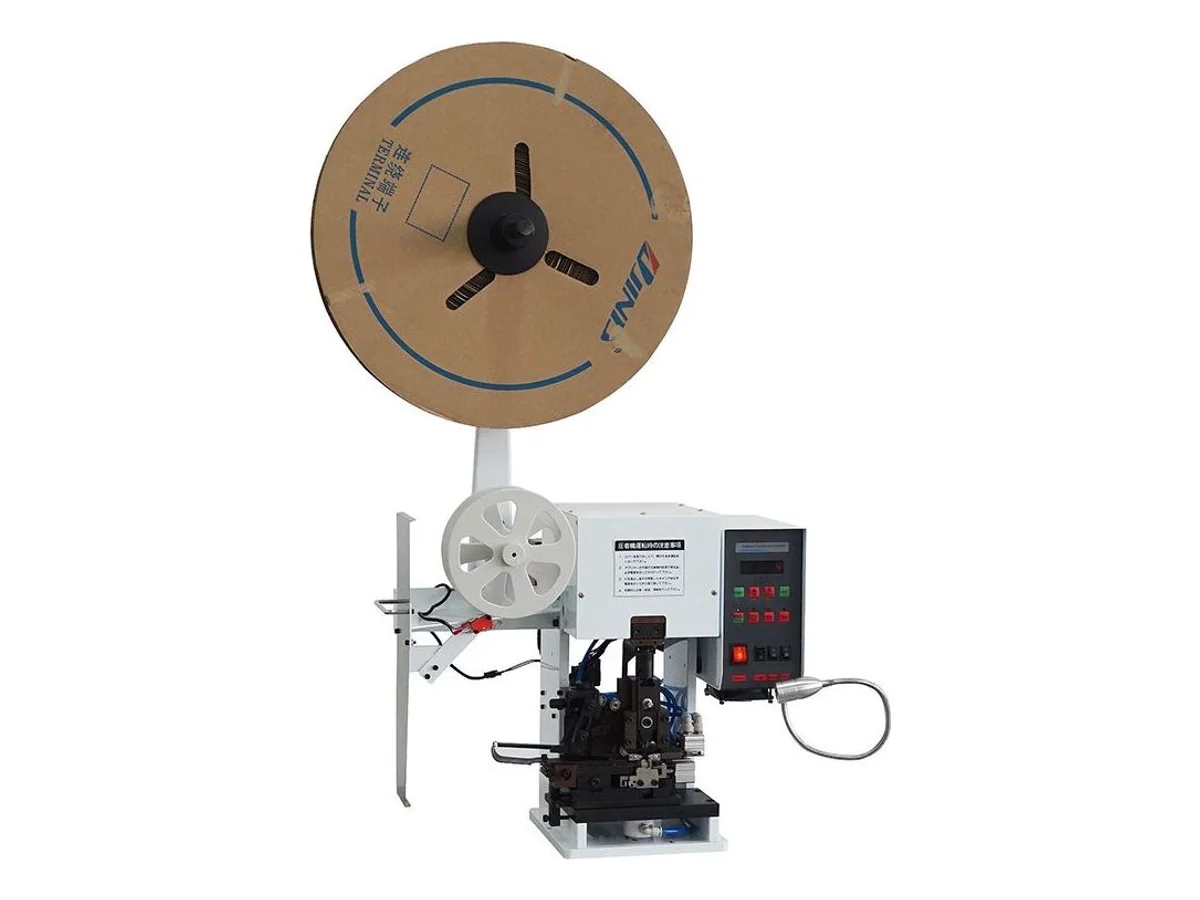
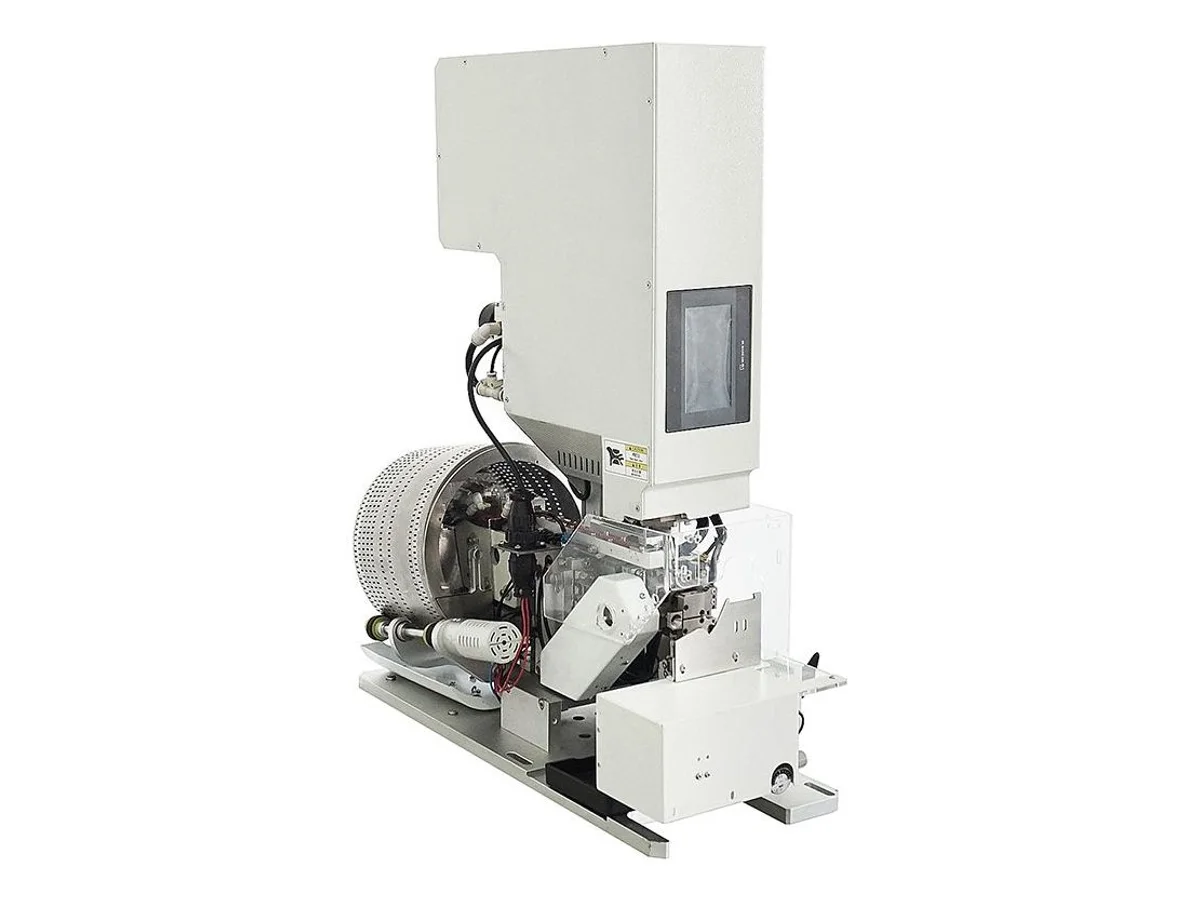
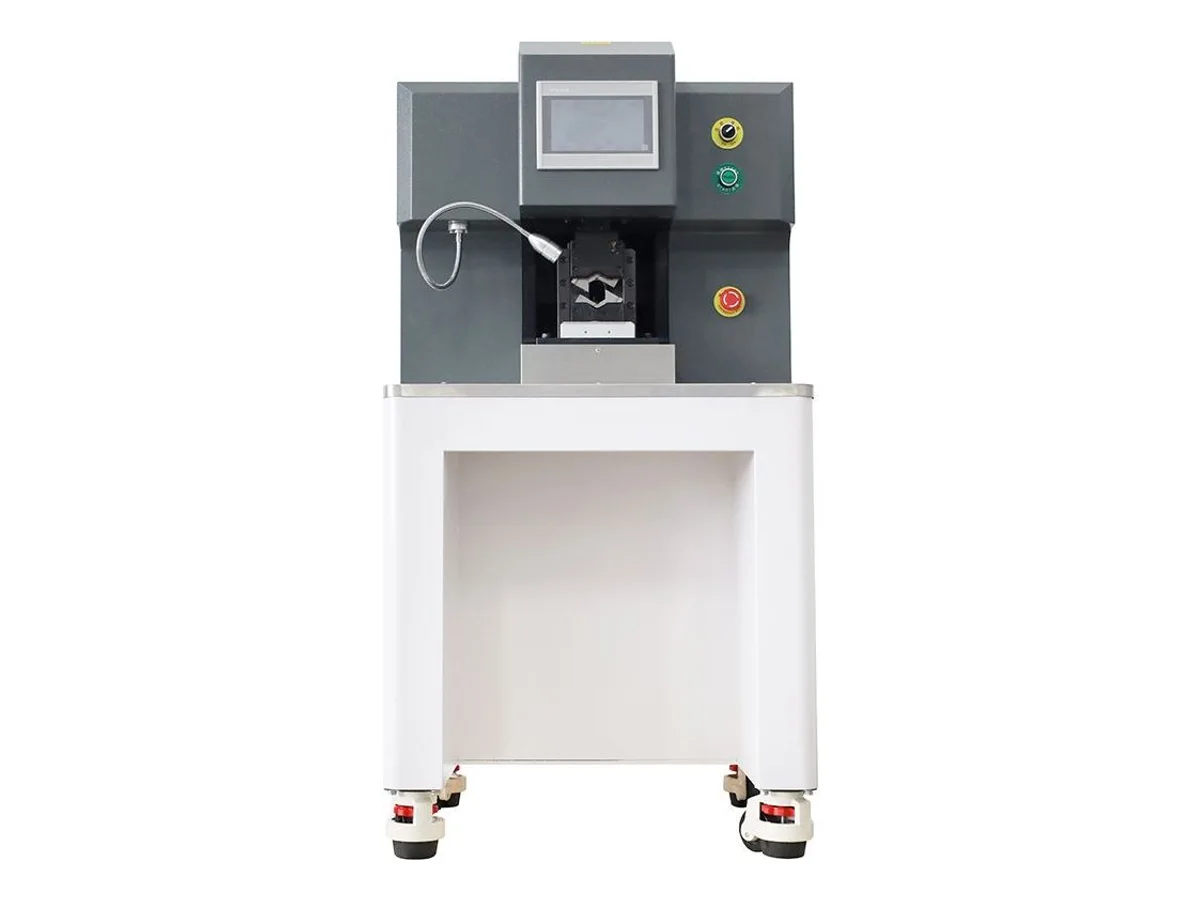
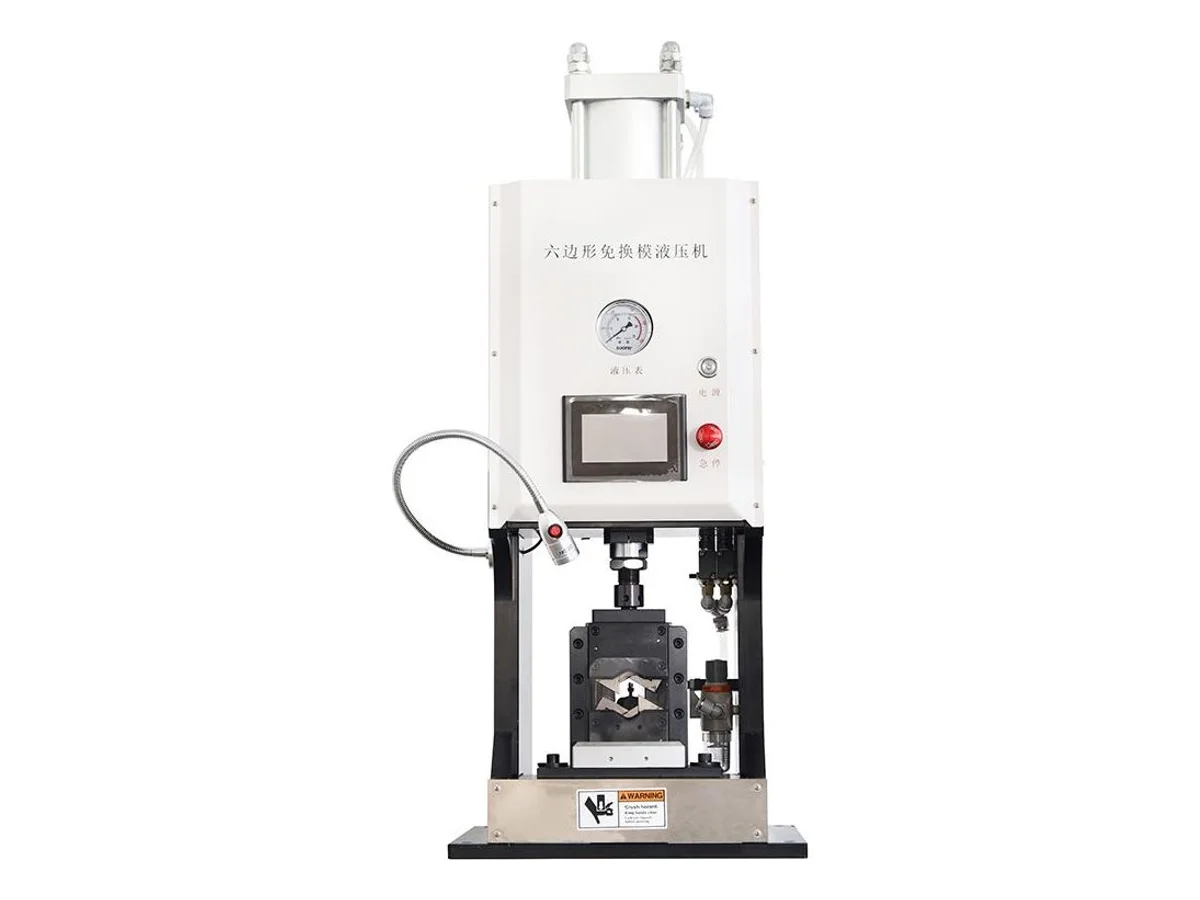
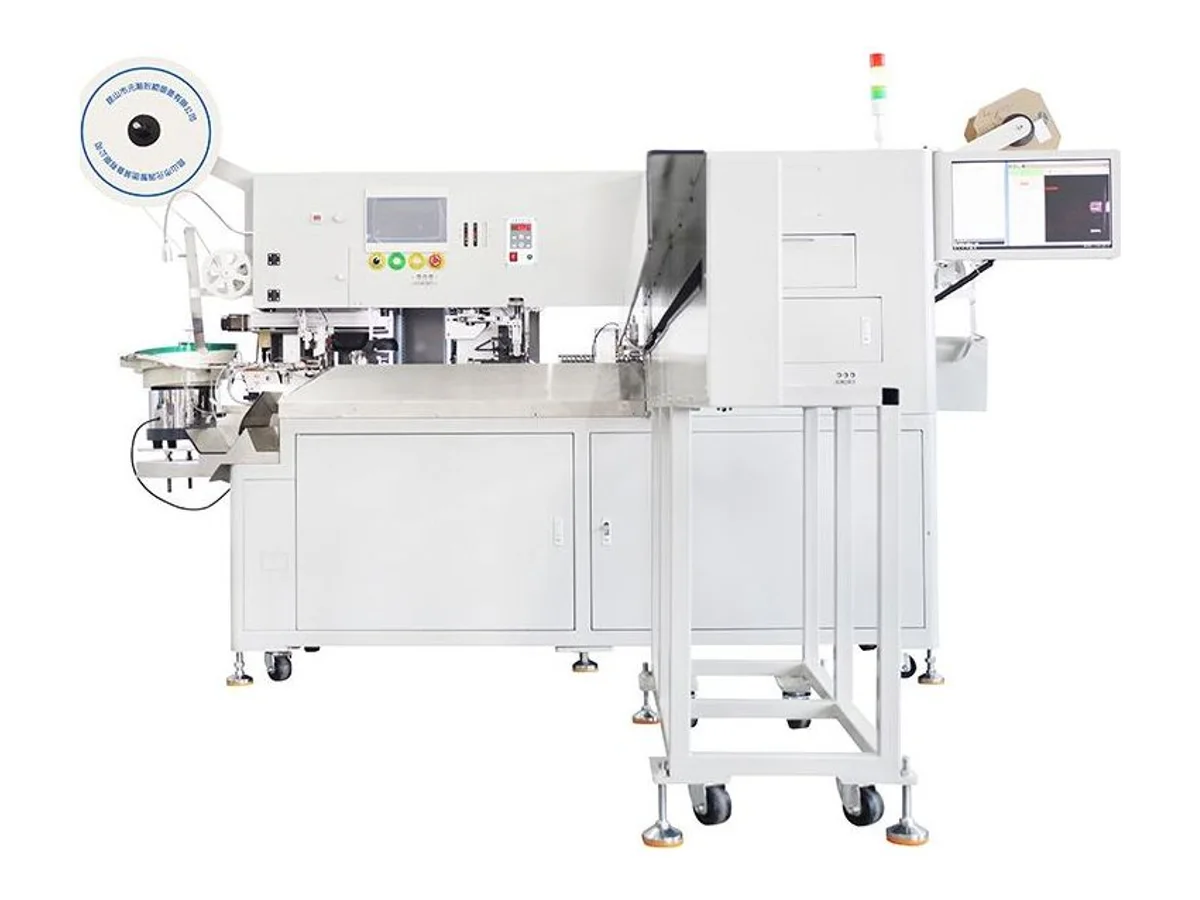
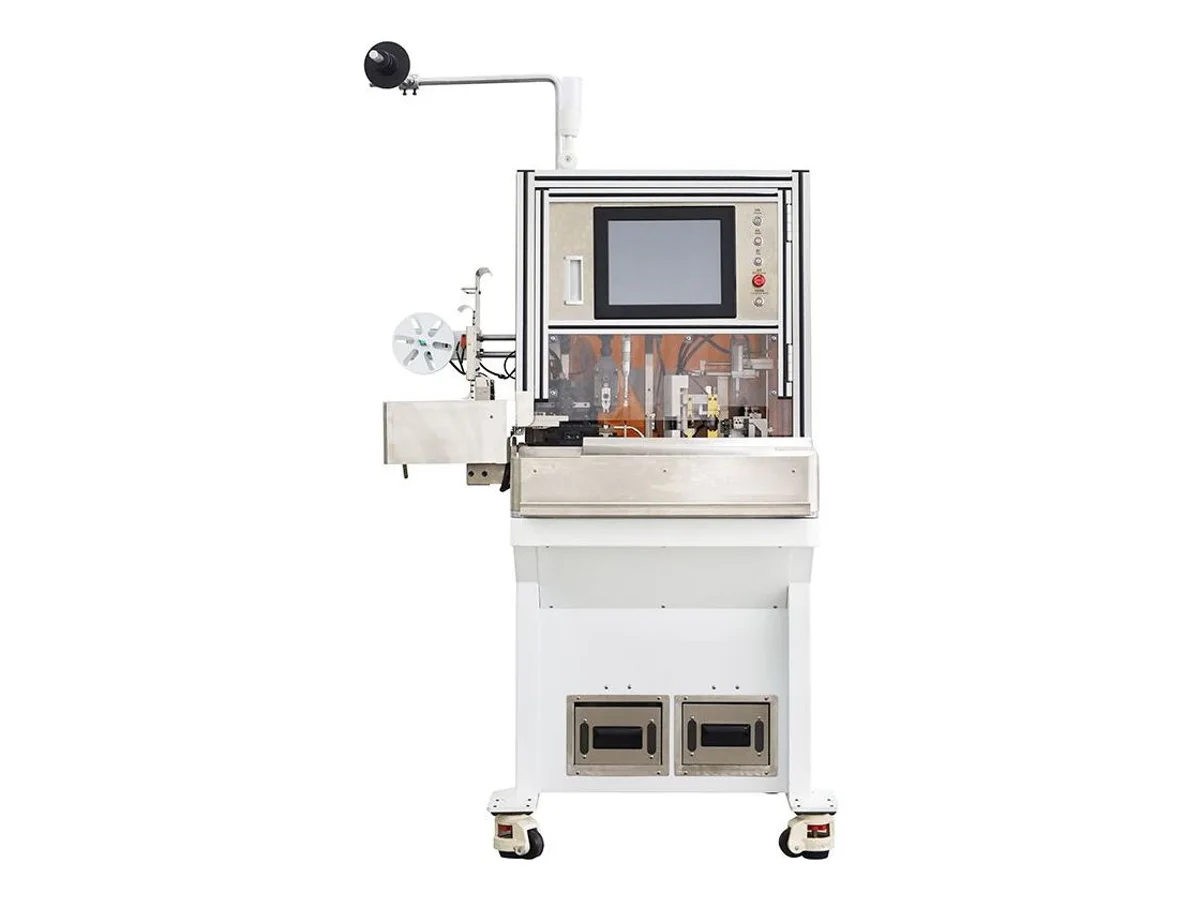
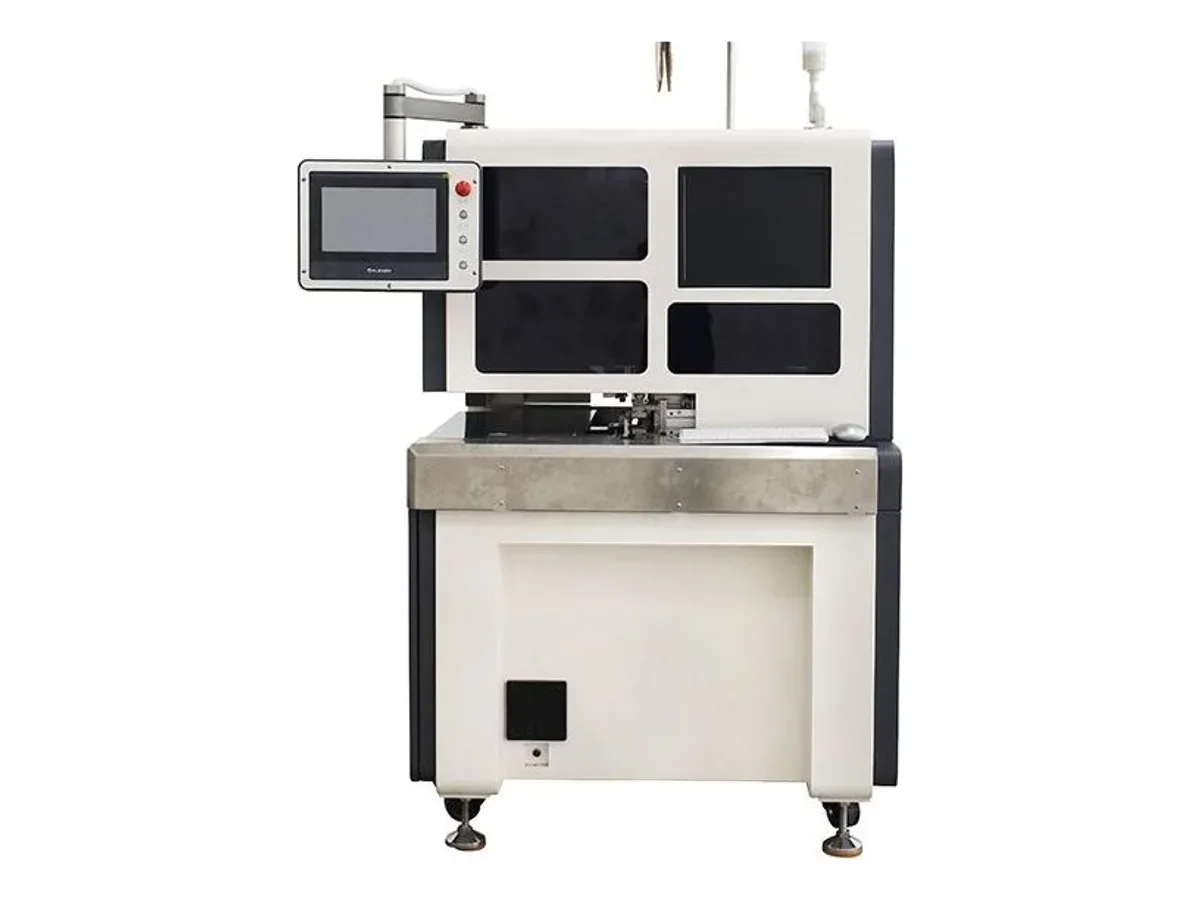
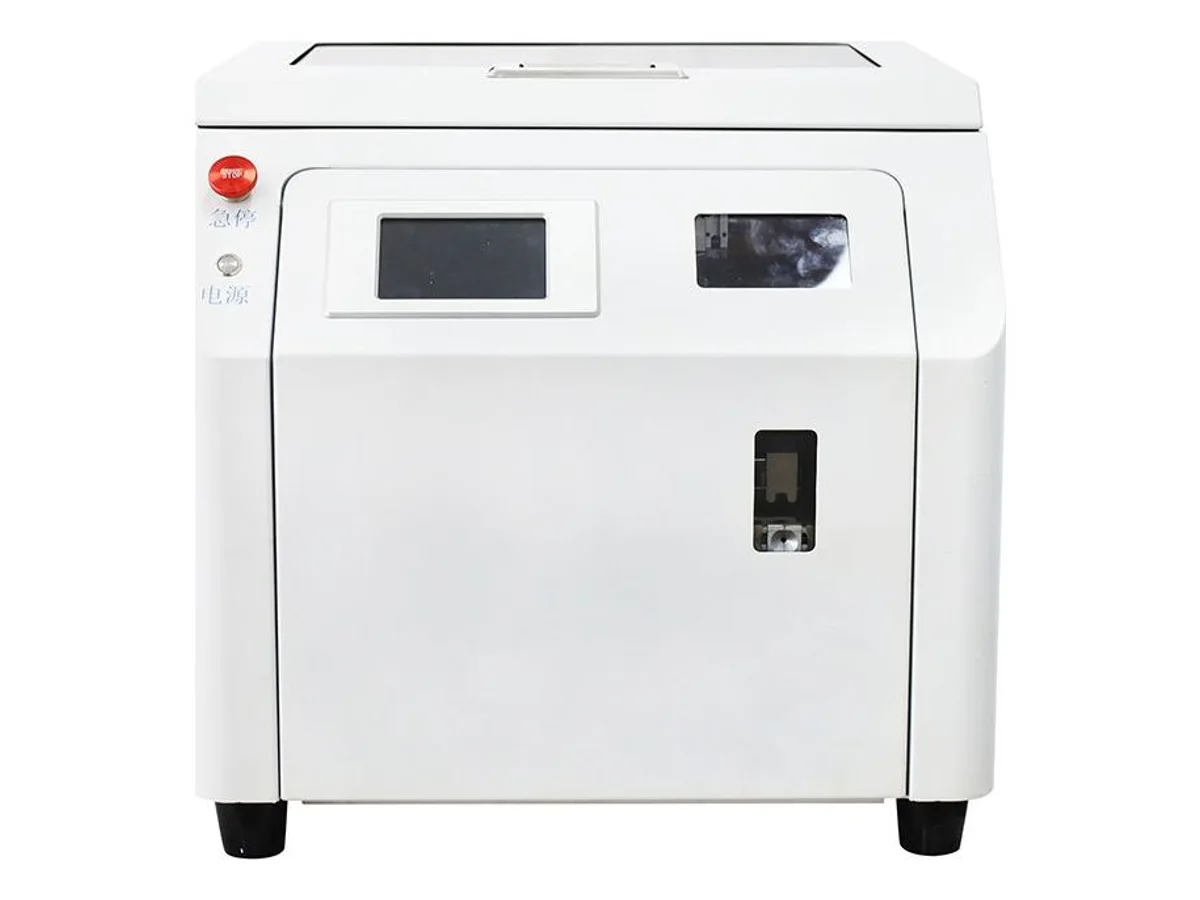
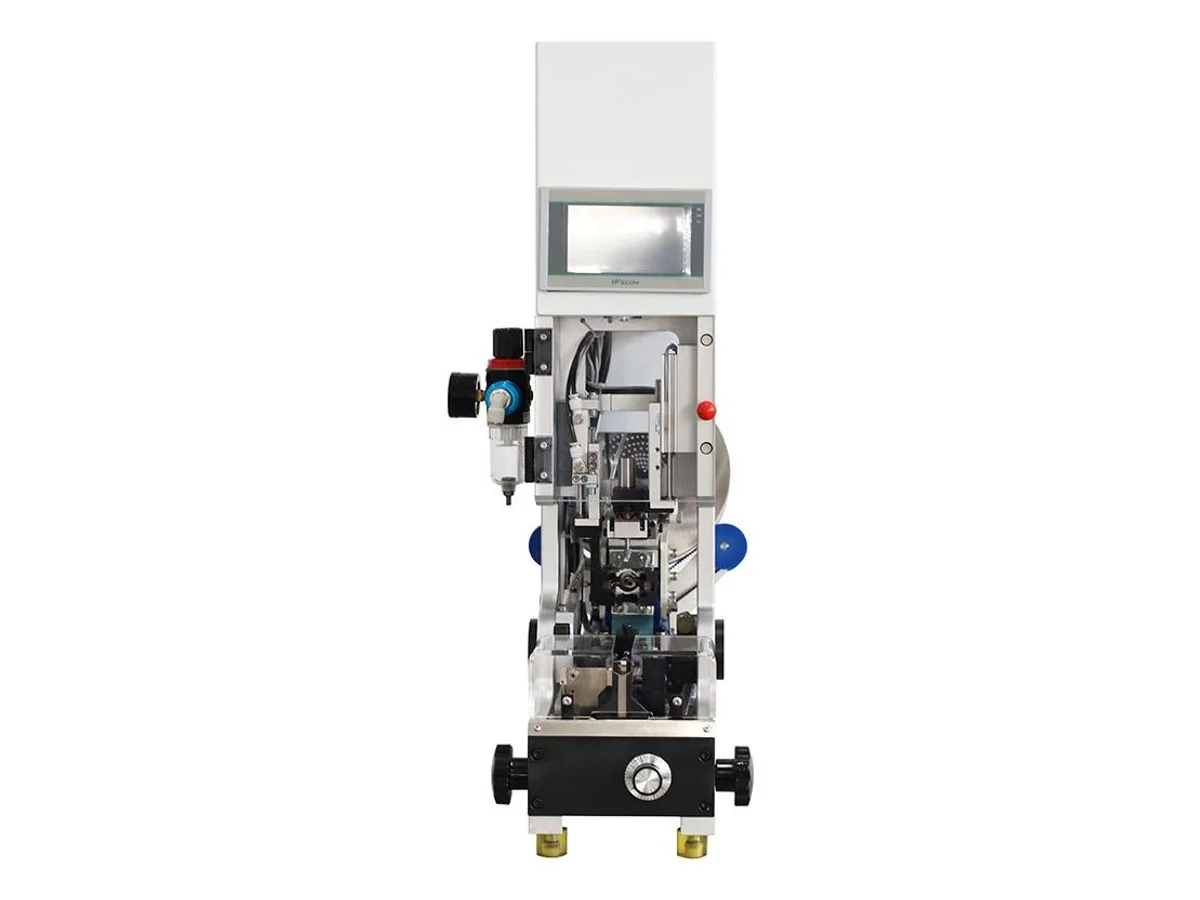
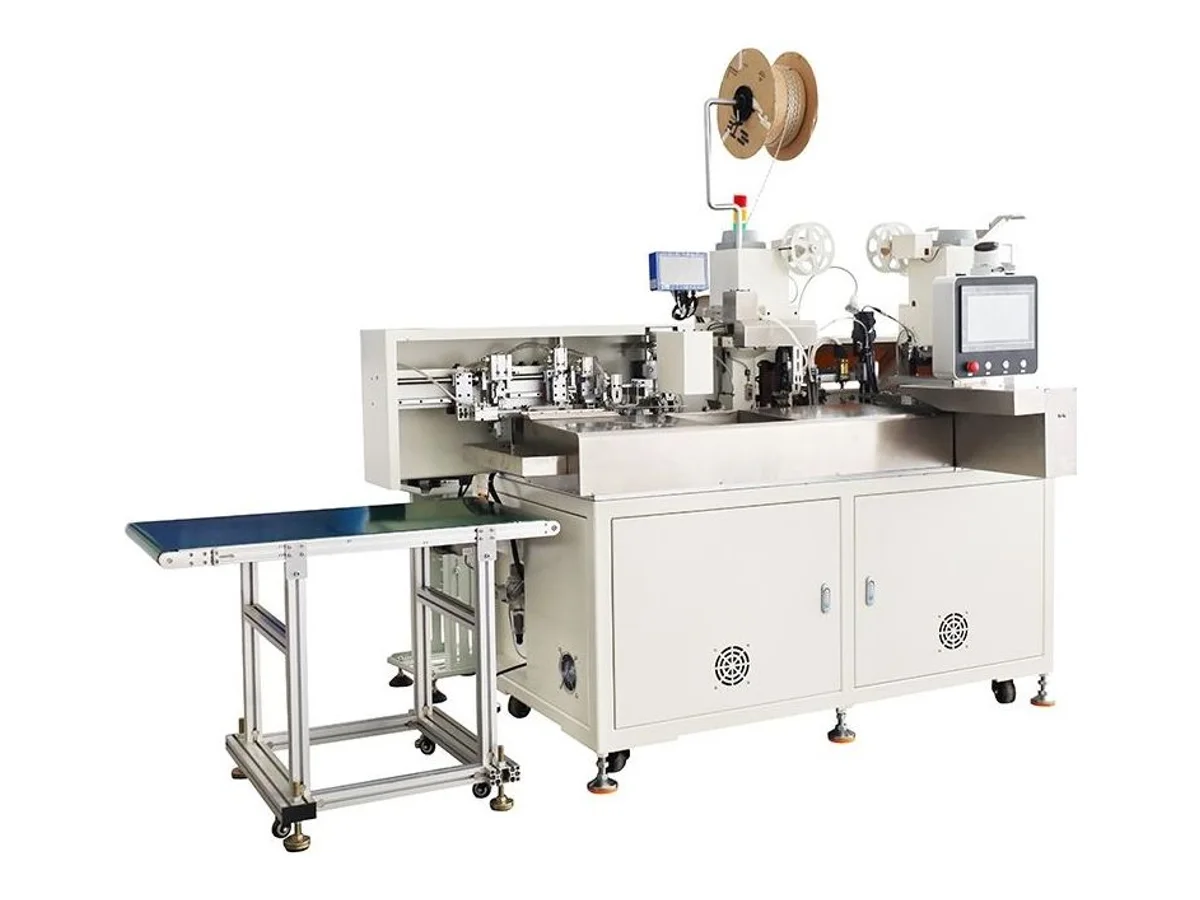
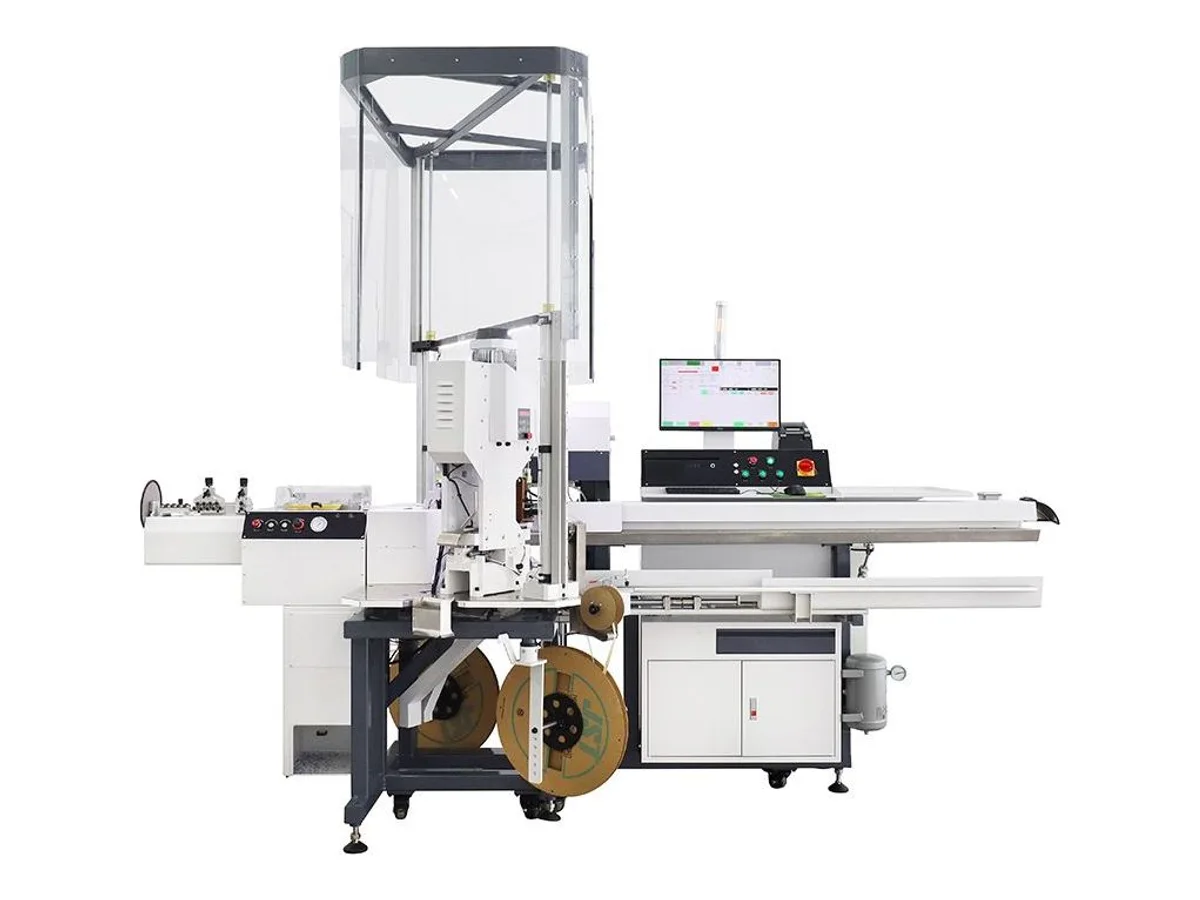
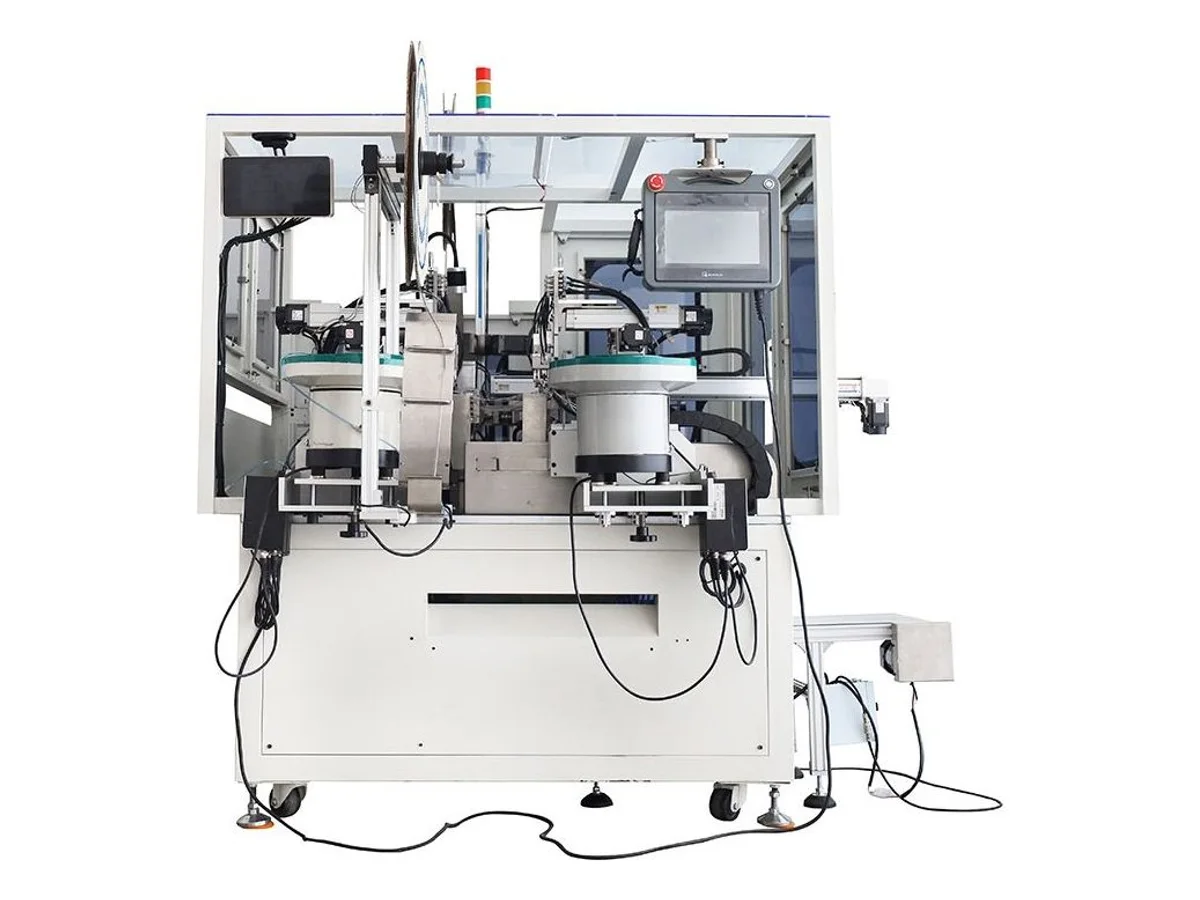
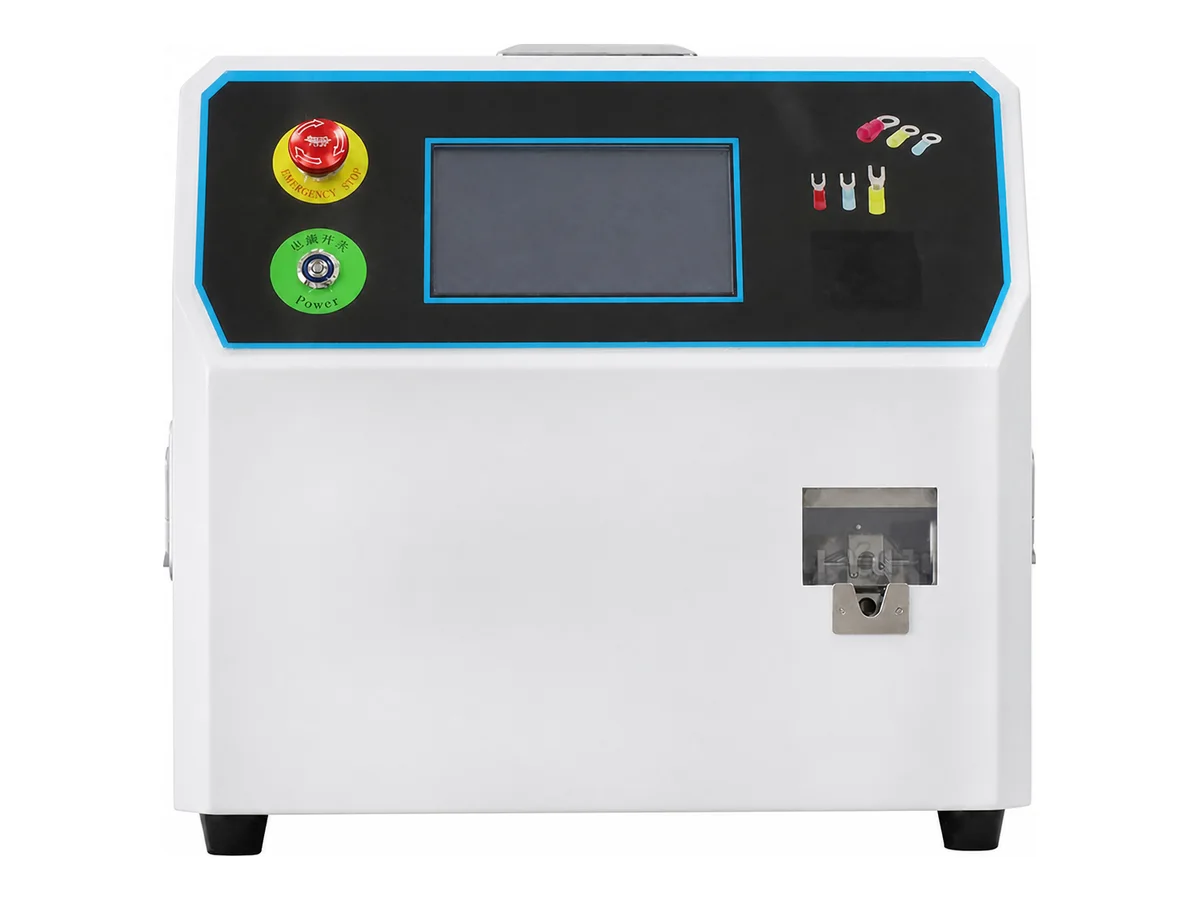
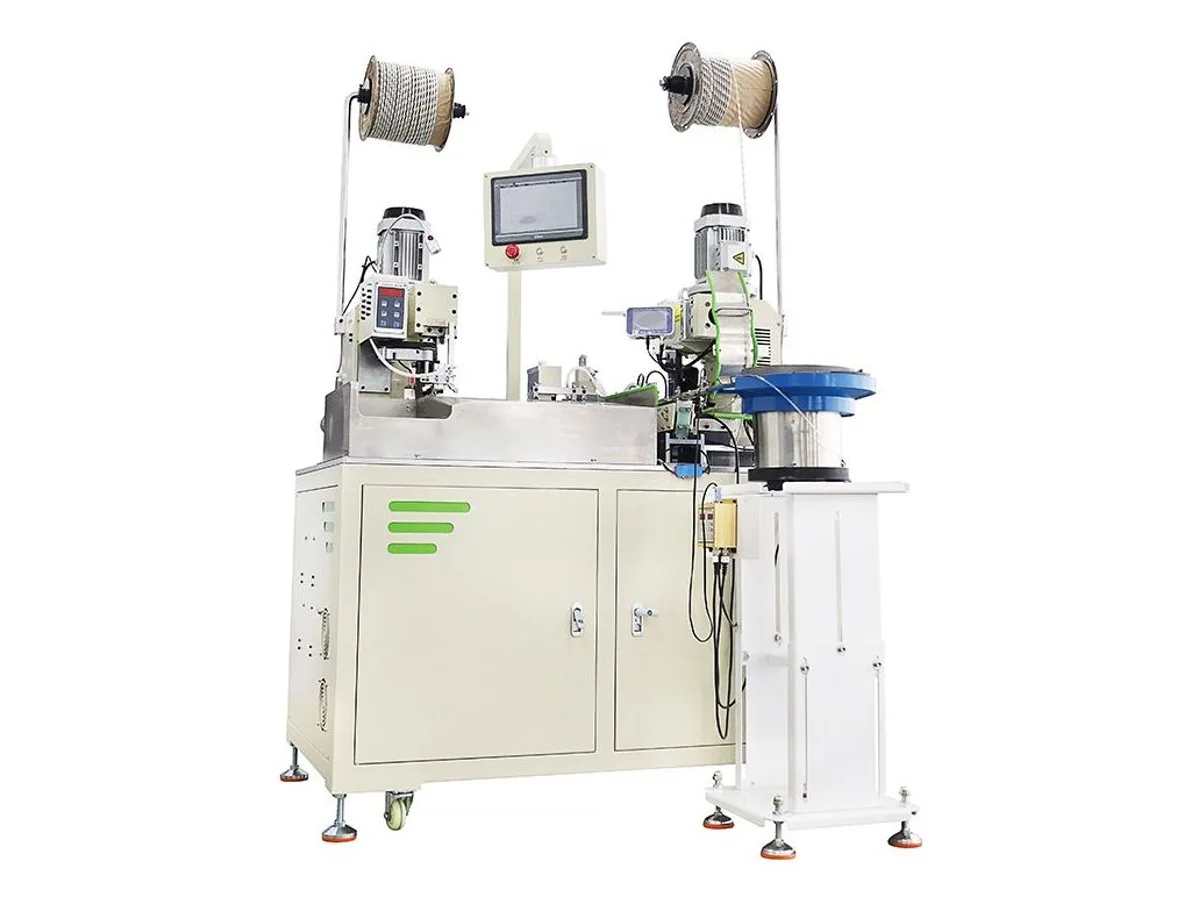
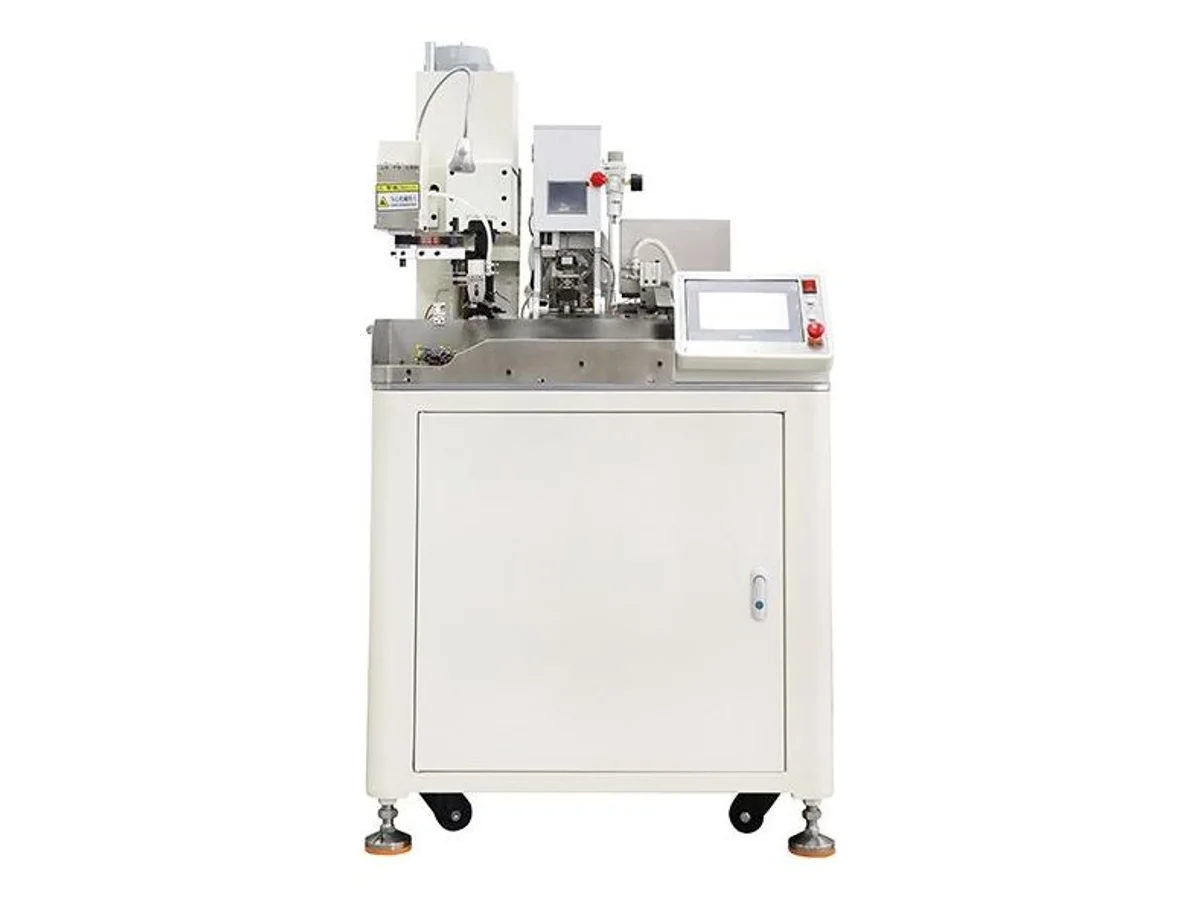
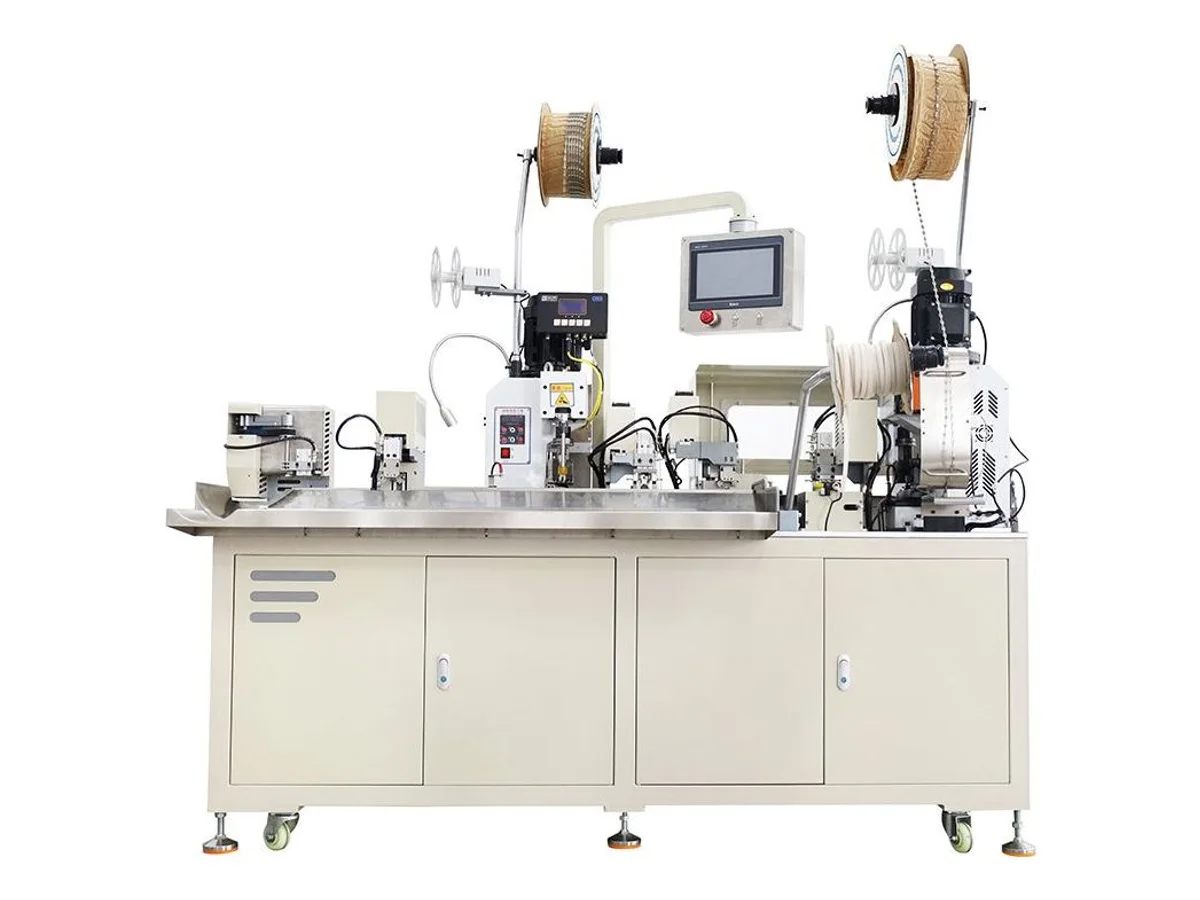
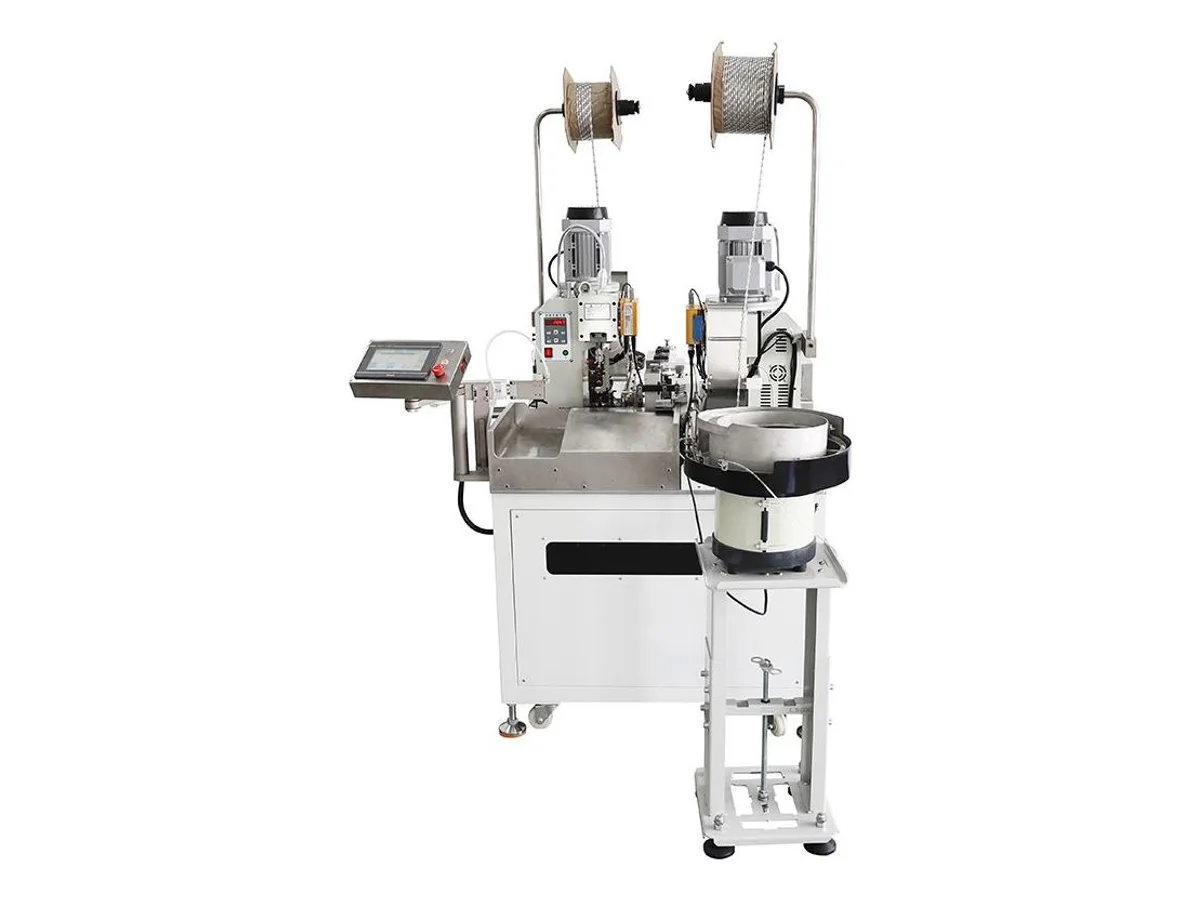
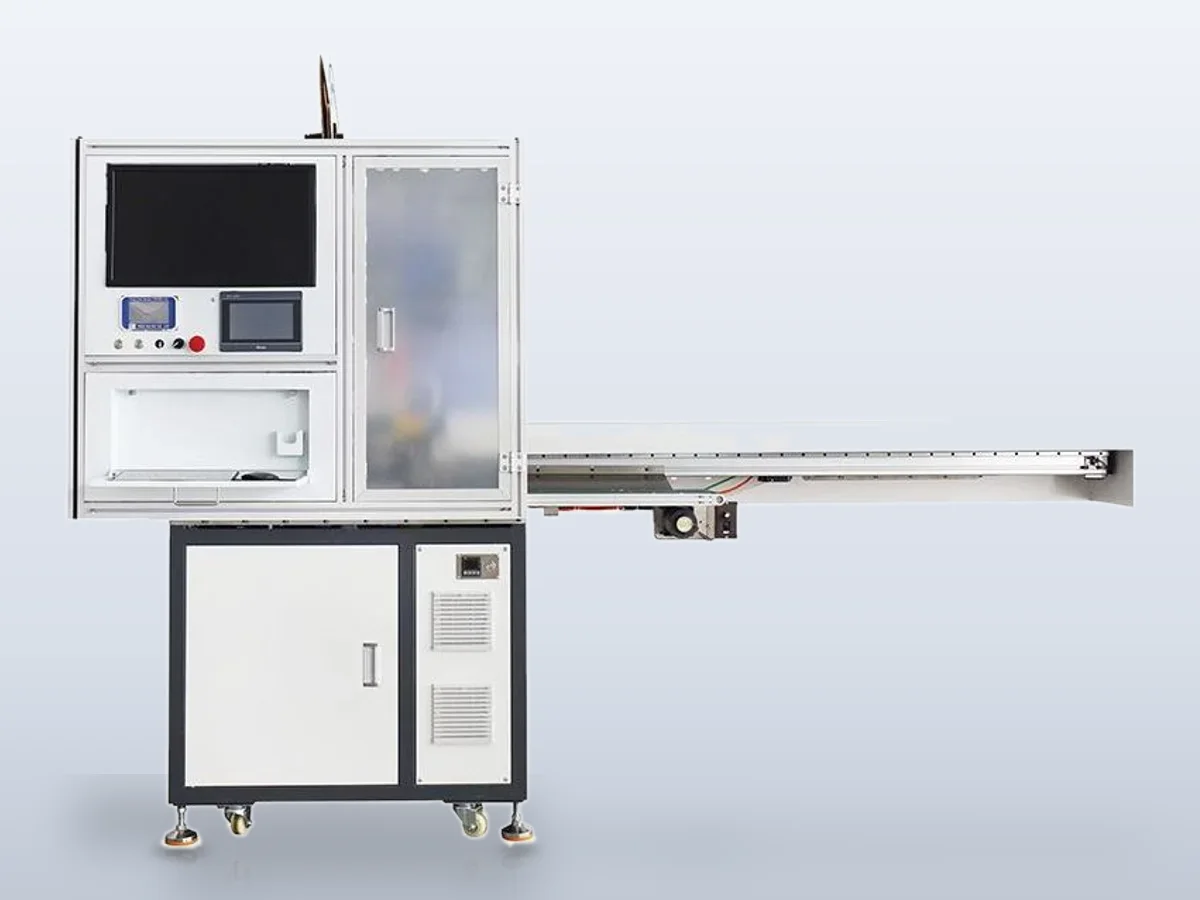
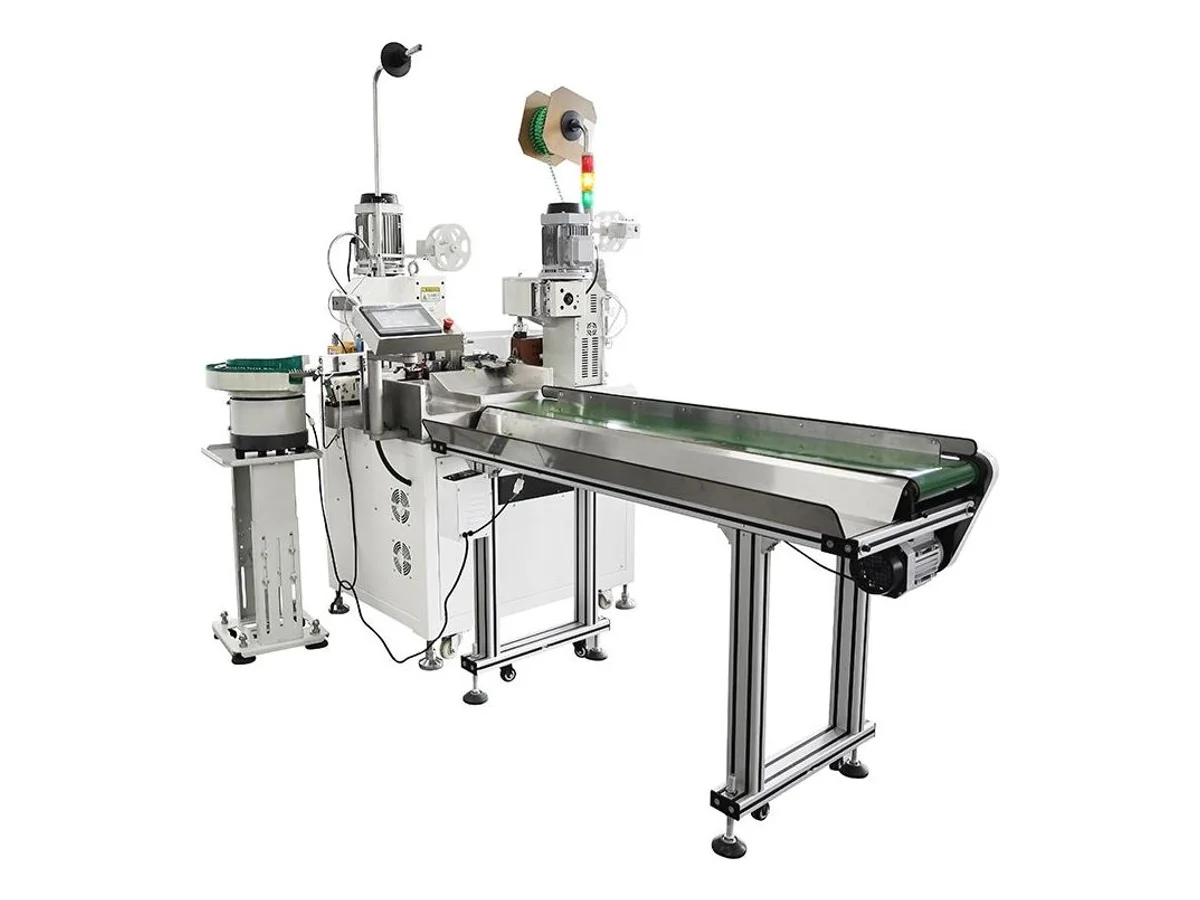
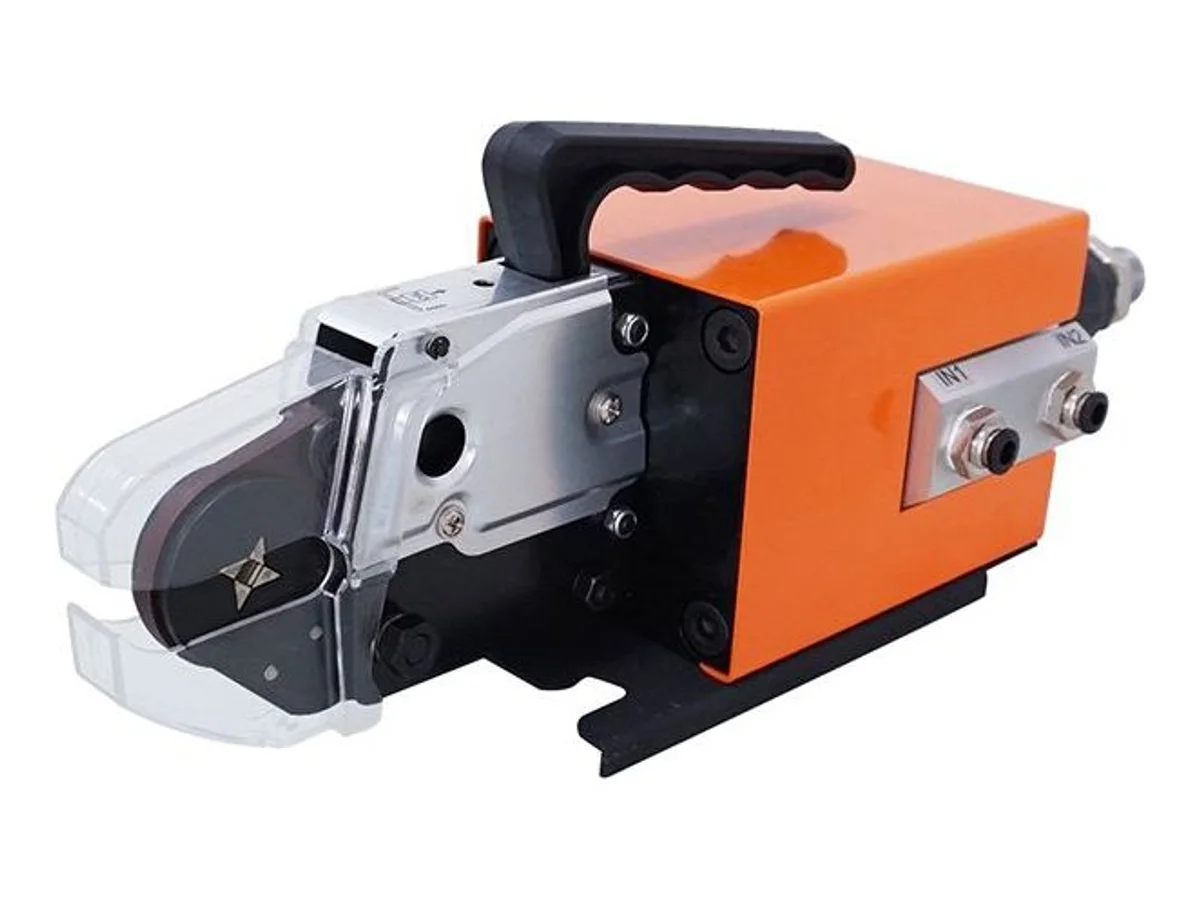
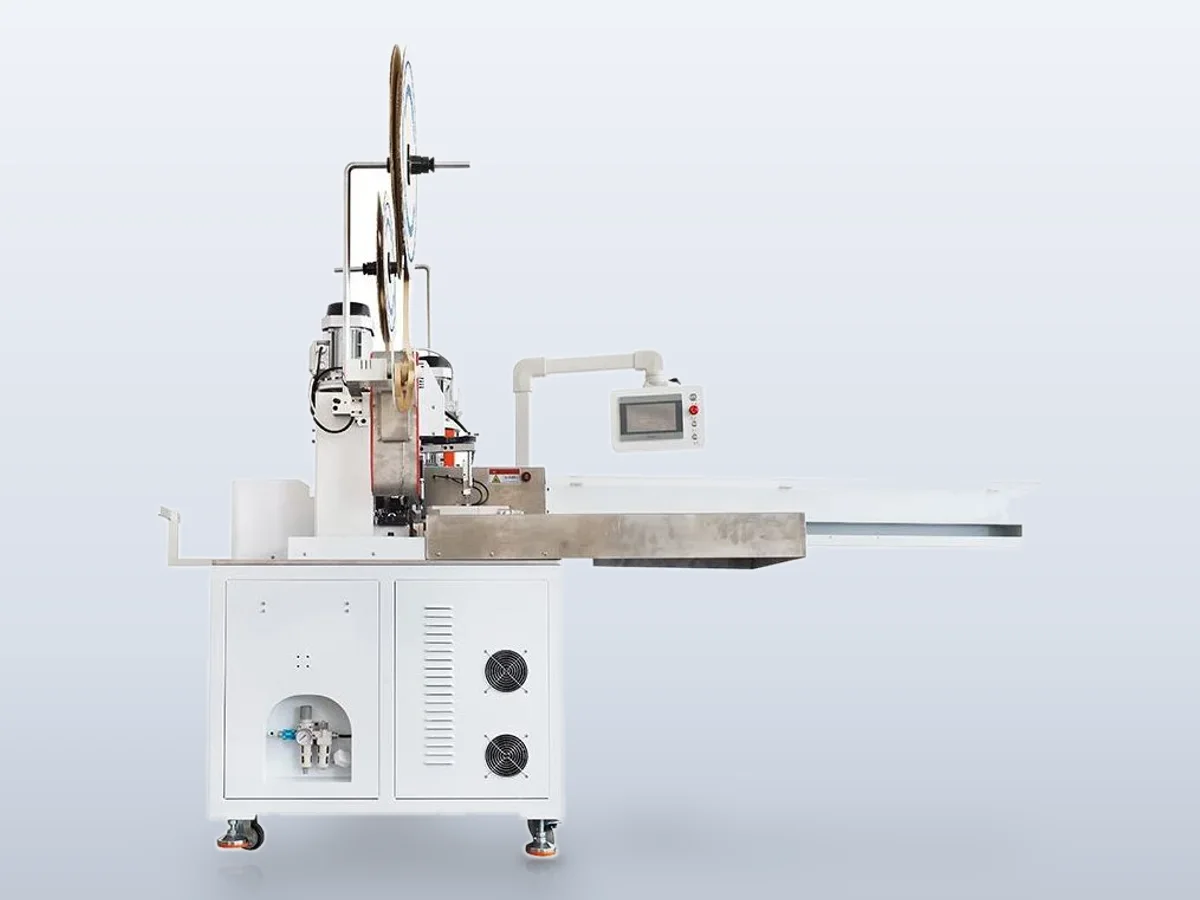
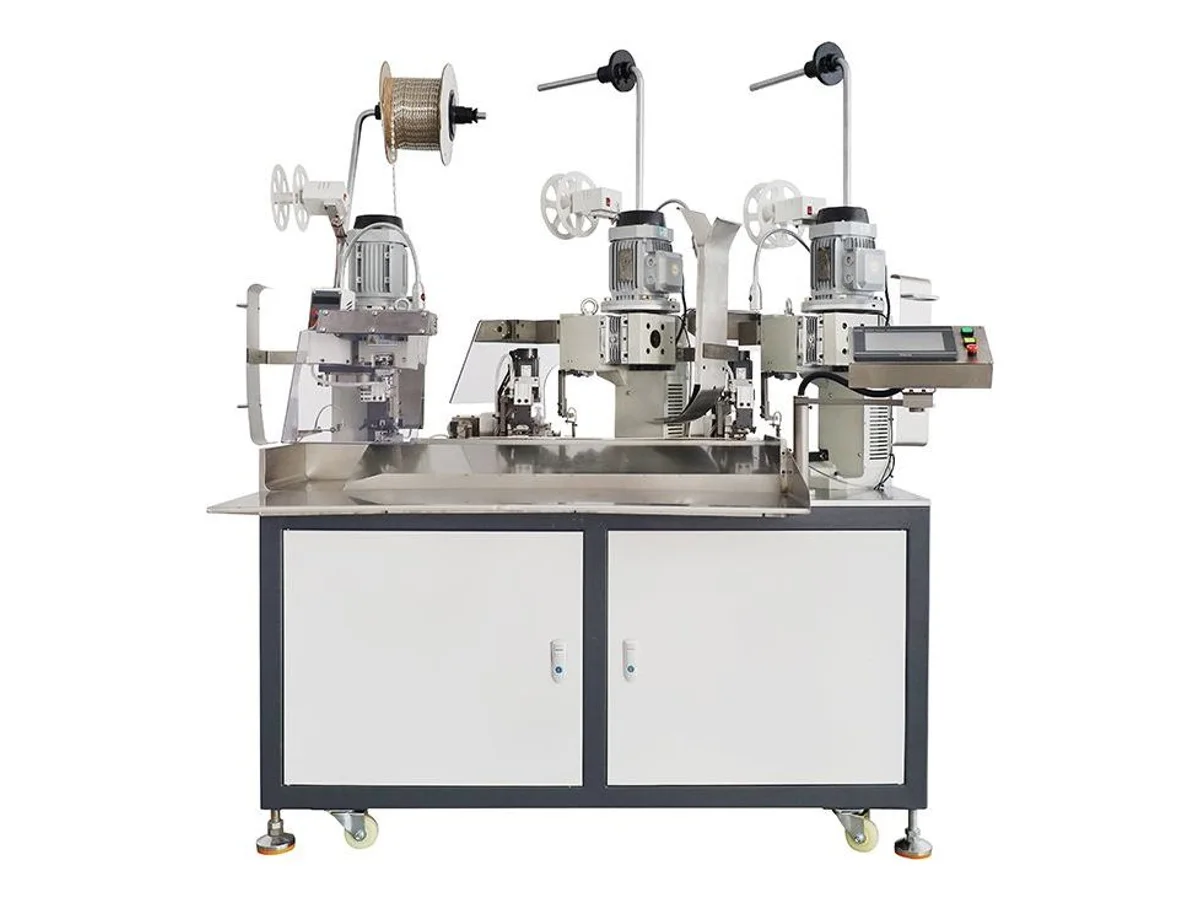
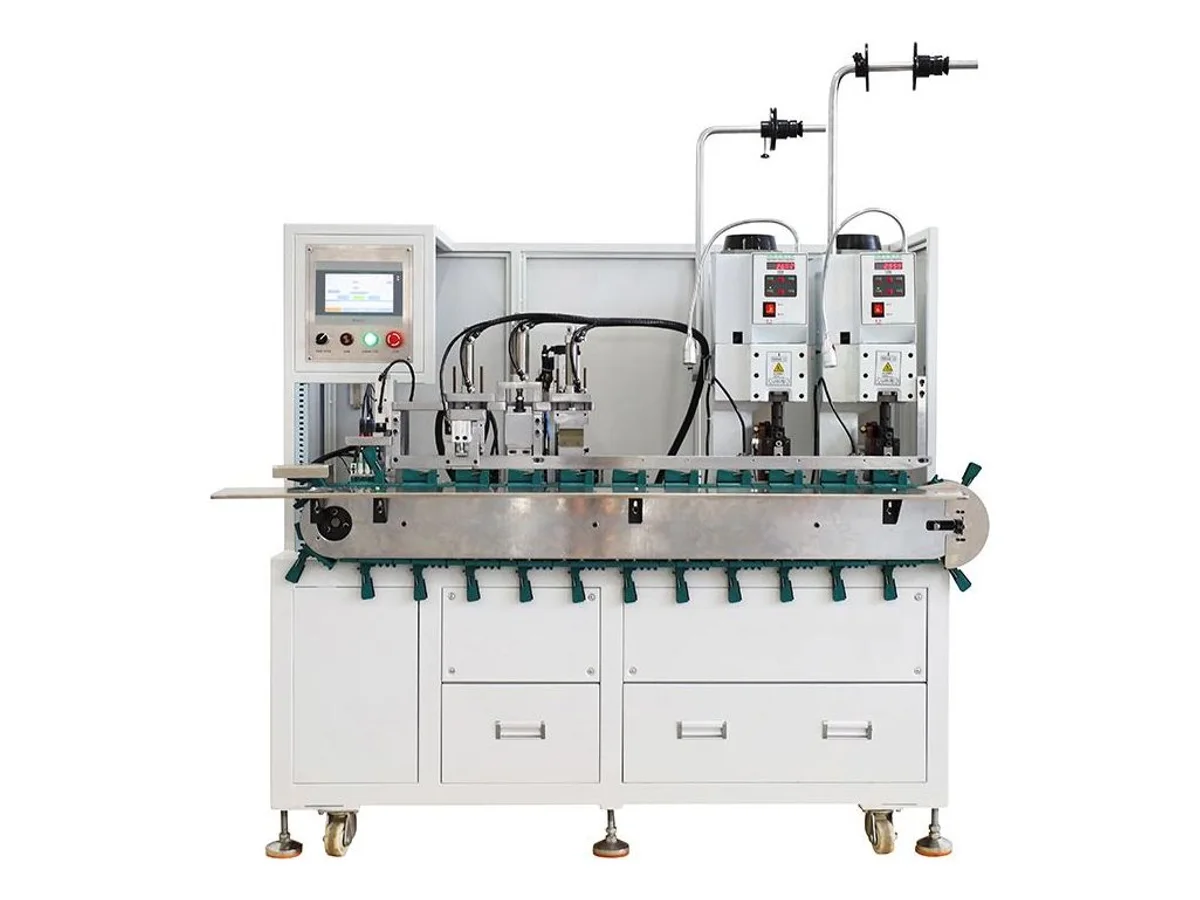
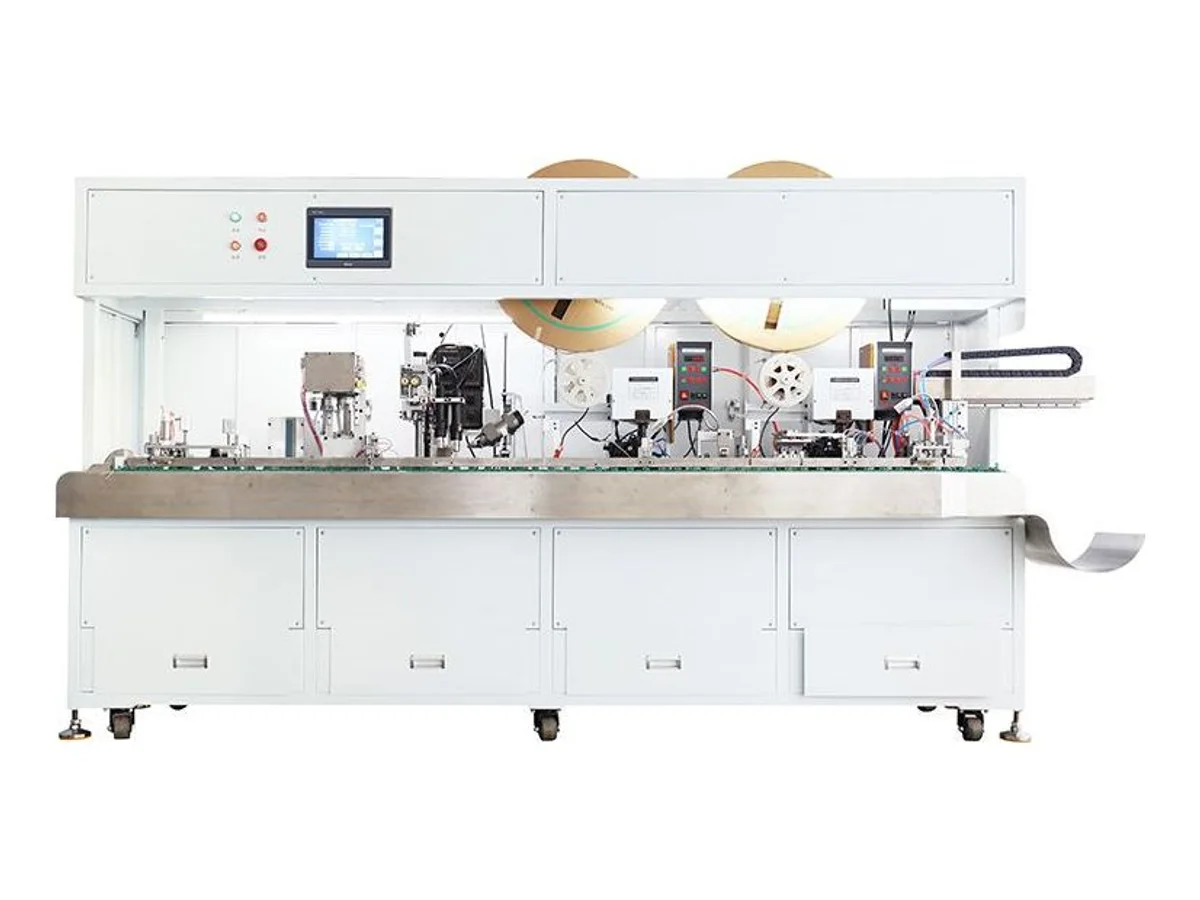
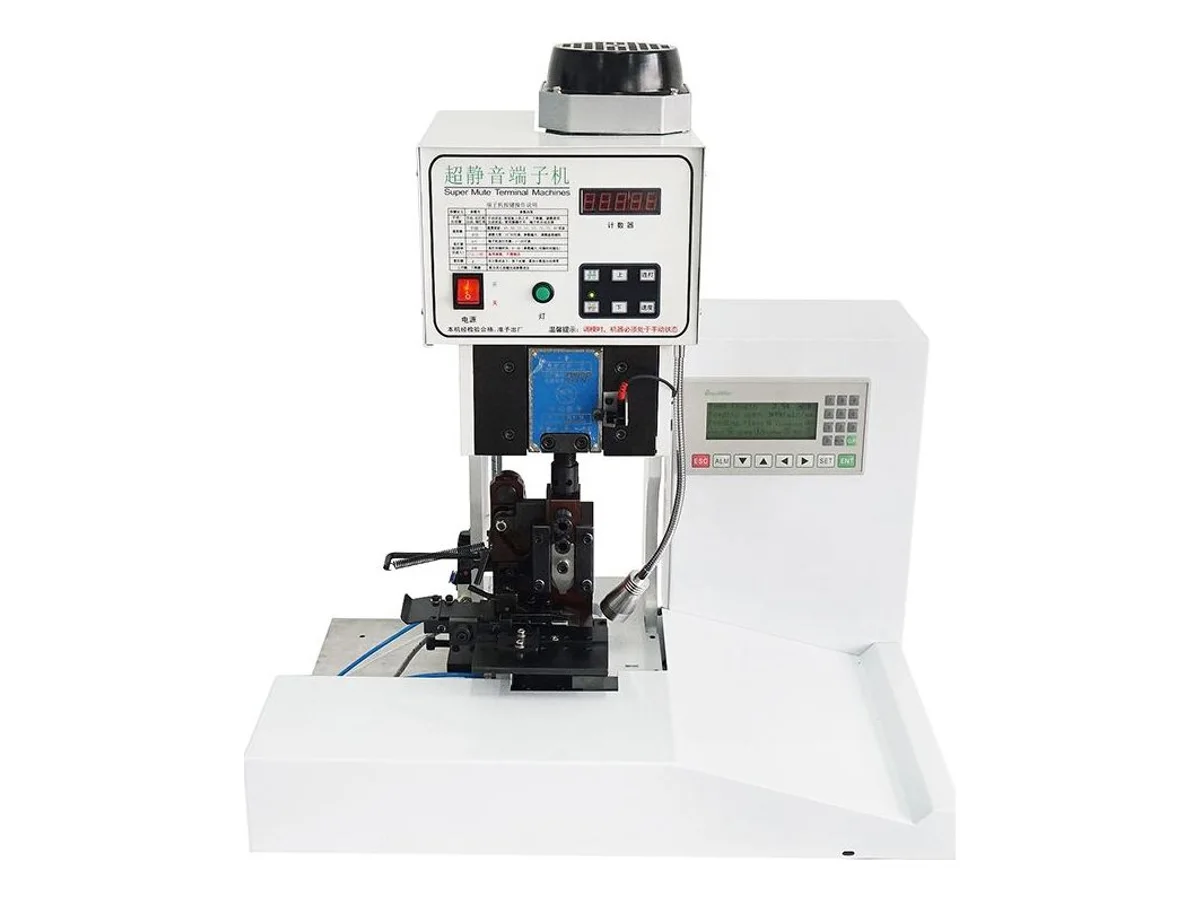
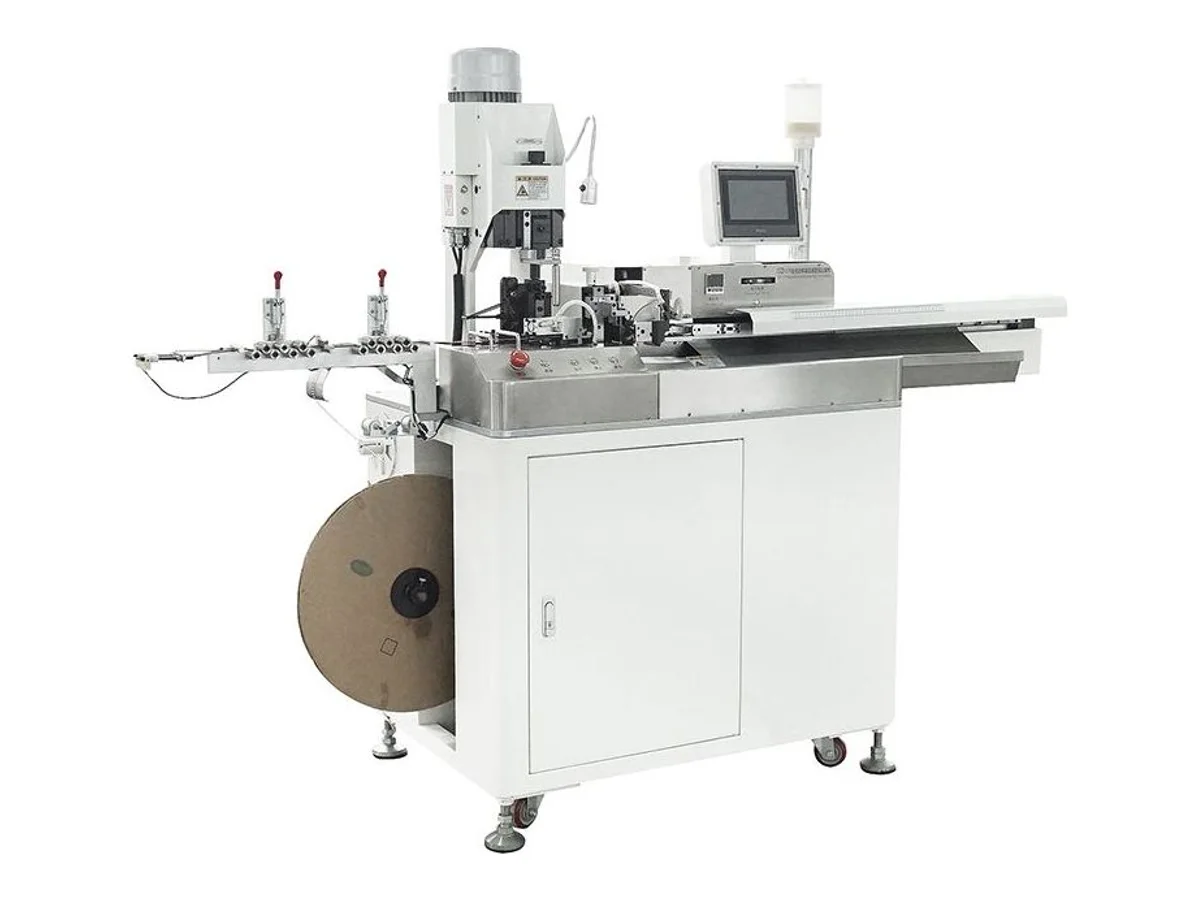
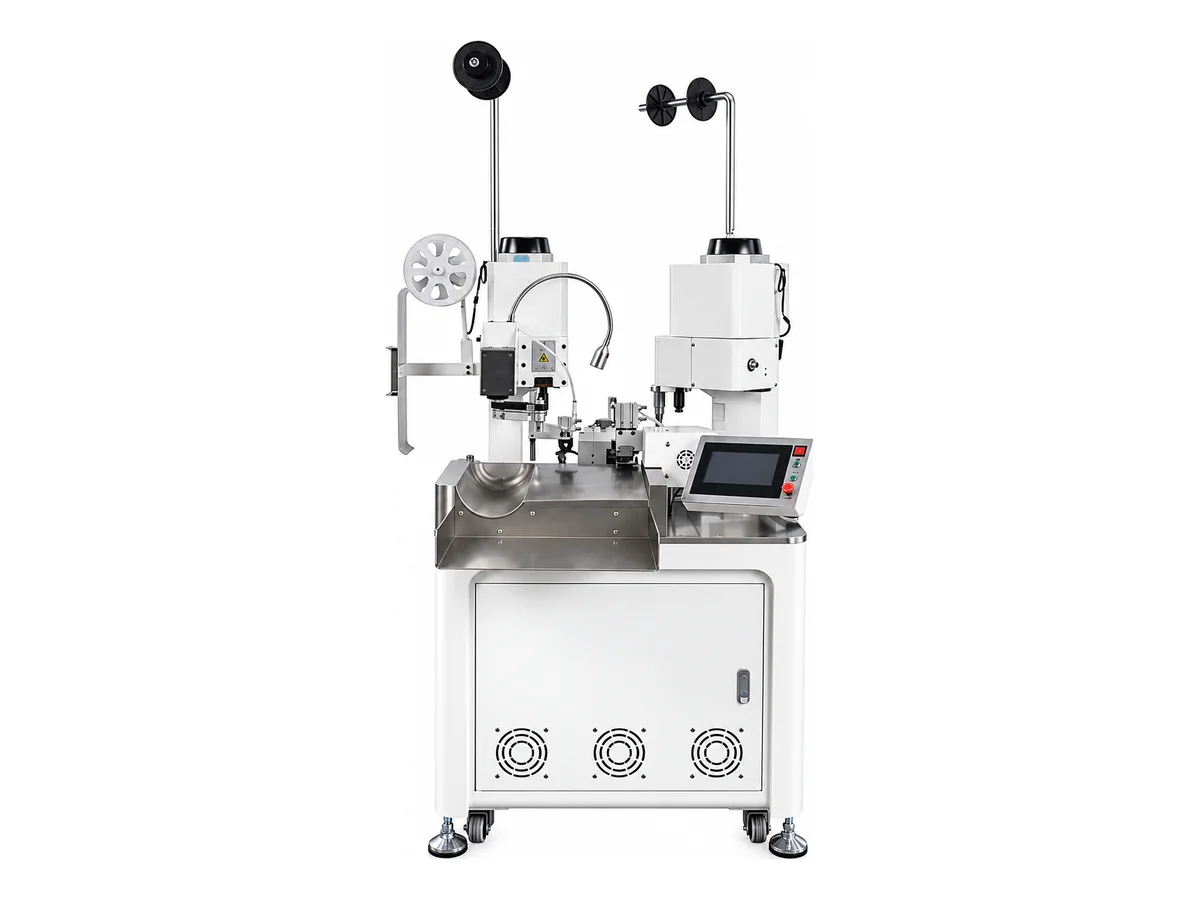
Terminal crimping machines from a 2-ton bench press to a 35-ton servo lug crimper: fully automatic double-end lines at up to 4,800 pcs/h, ribbon-cable crimpers placing 15,000 terminals per hour, ferrule and bootlace machines, housing insertion and rubber seal lines, hydraulic lug crimpers for EV cable to 120 mm², and portable crimping tools. Applicator compatibility depends on the press and terminal; see the parts page for tooling. Copper-band splicing presses make mechanical wire joints without solder. Send your terminal strip and wire and we crimp them on video, with crimp-height measurements, before you order.

Operation
Wire size
Machine format
Features
Showing all 81 machines

Combined-process machines

These machines include this operation as part of a wider process. Open the product page to check the complete working range and configuration.

Presses, lines and lugs: three different purchases

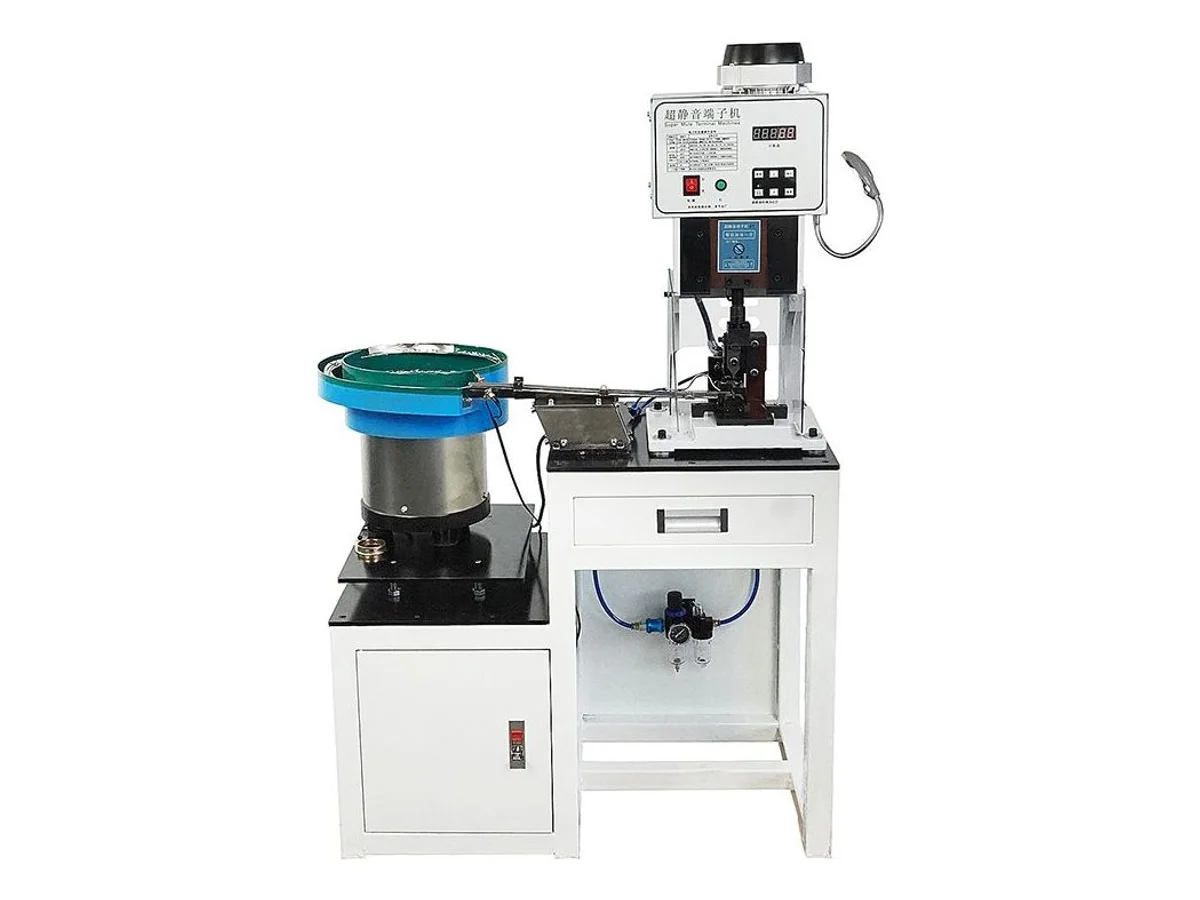
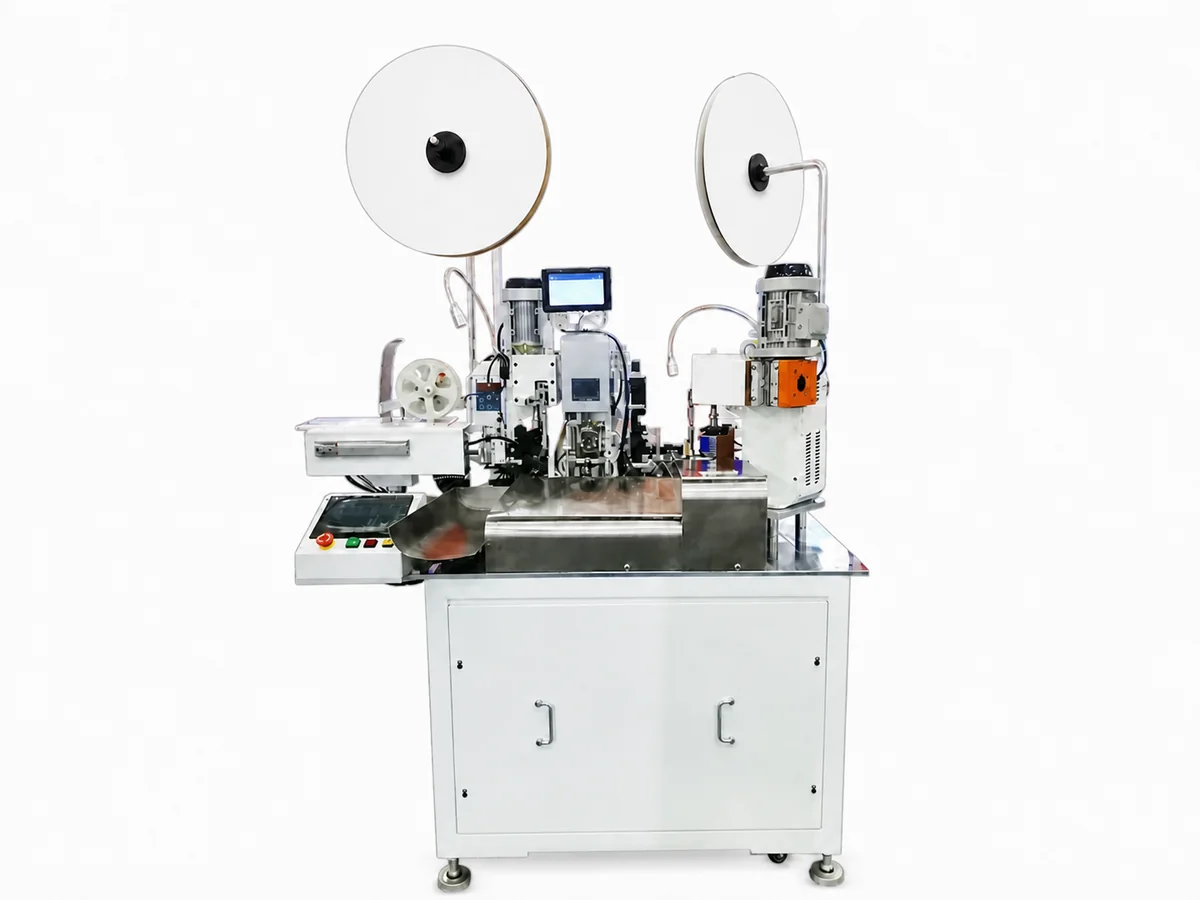
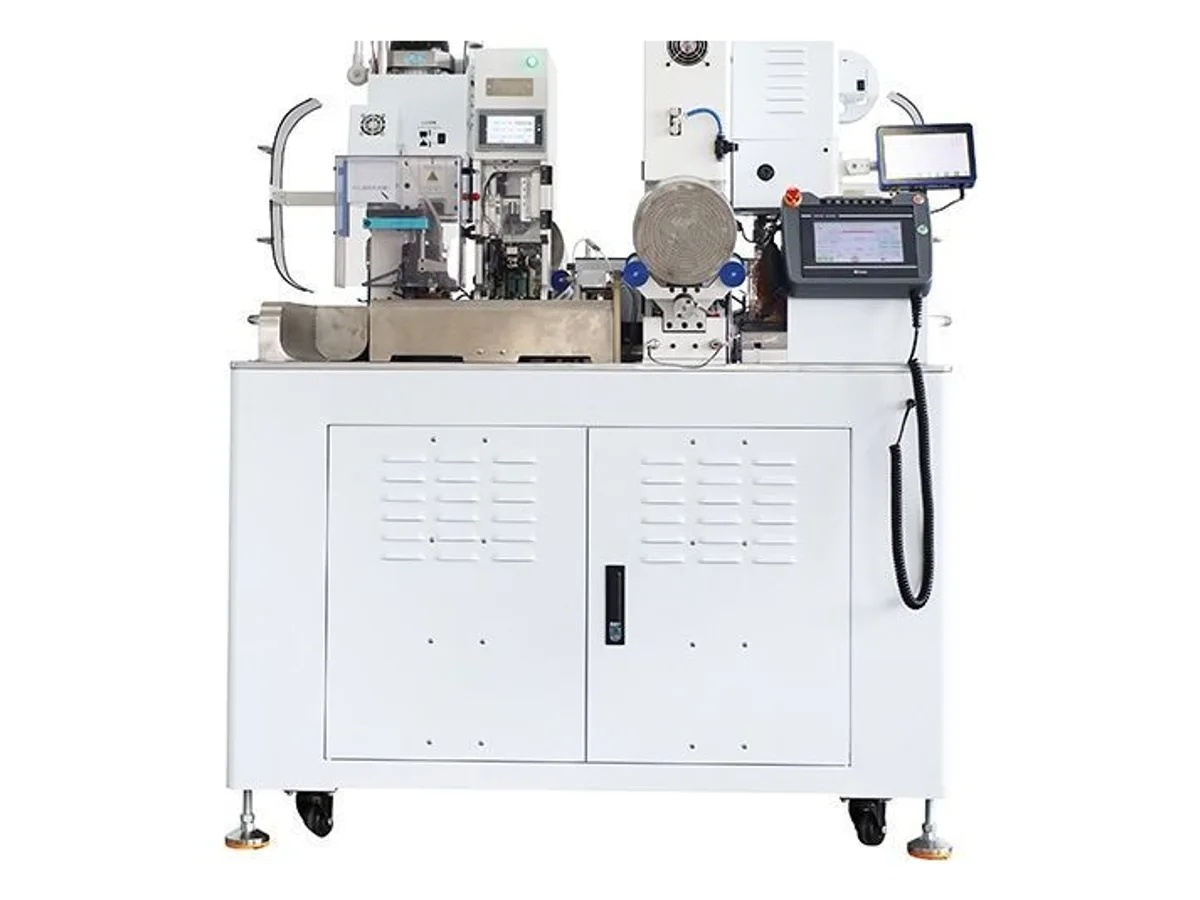
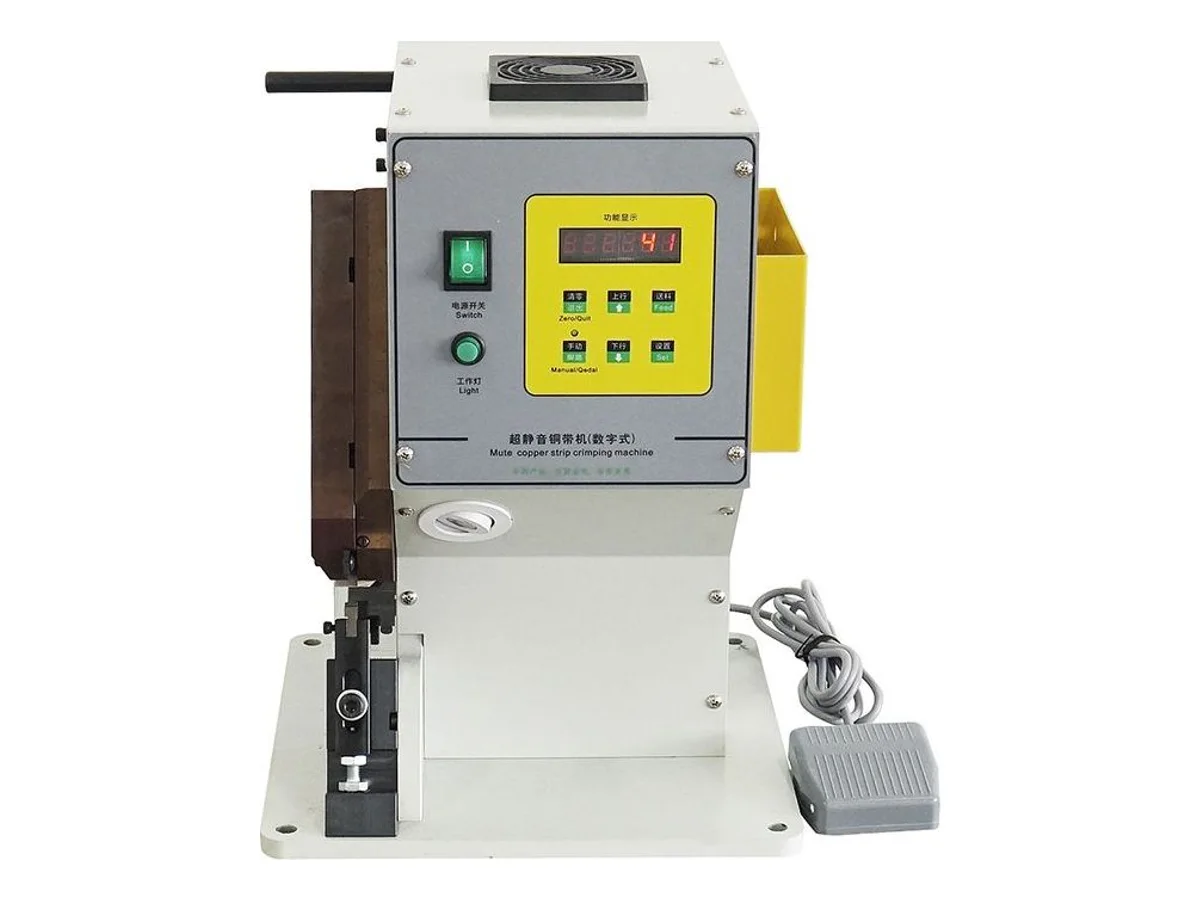
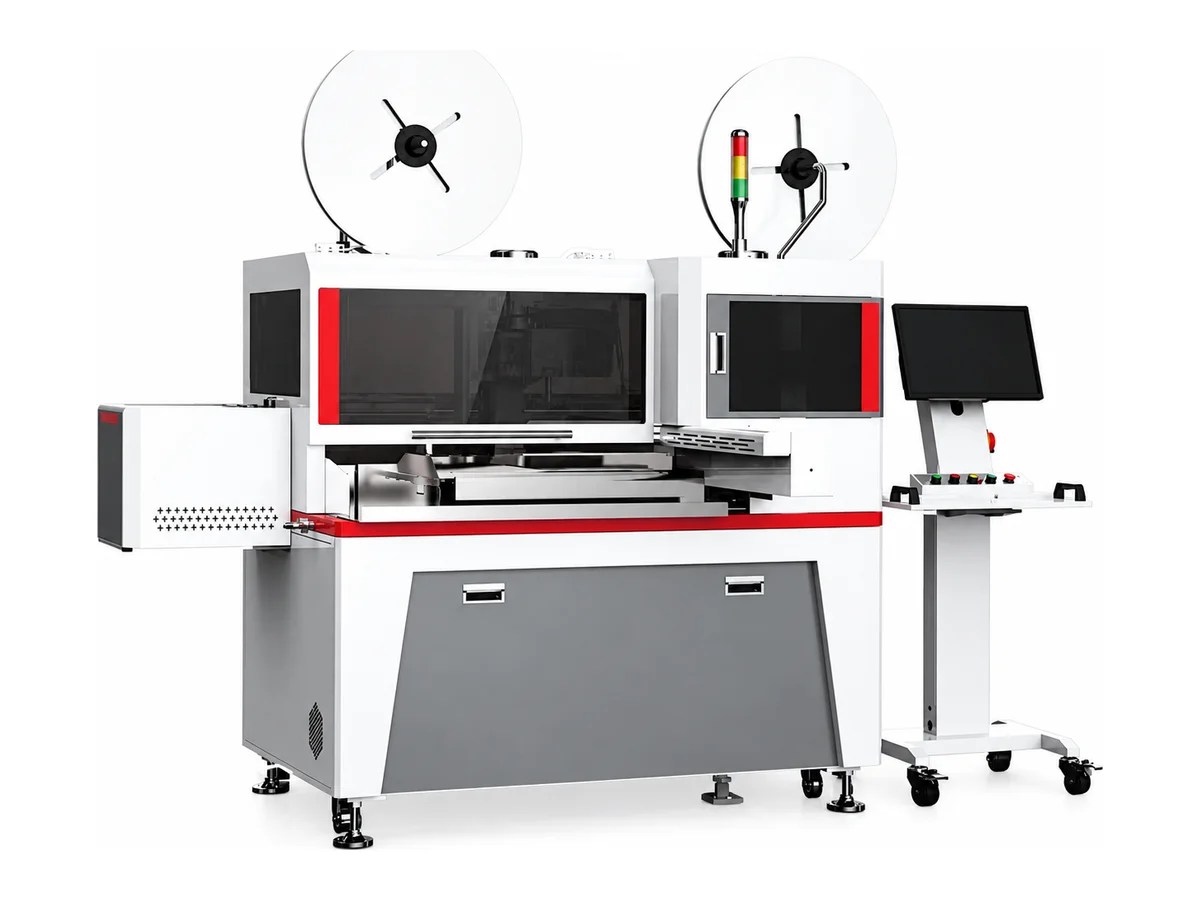
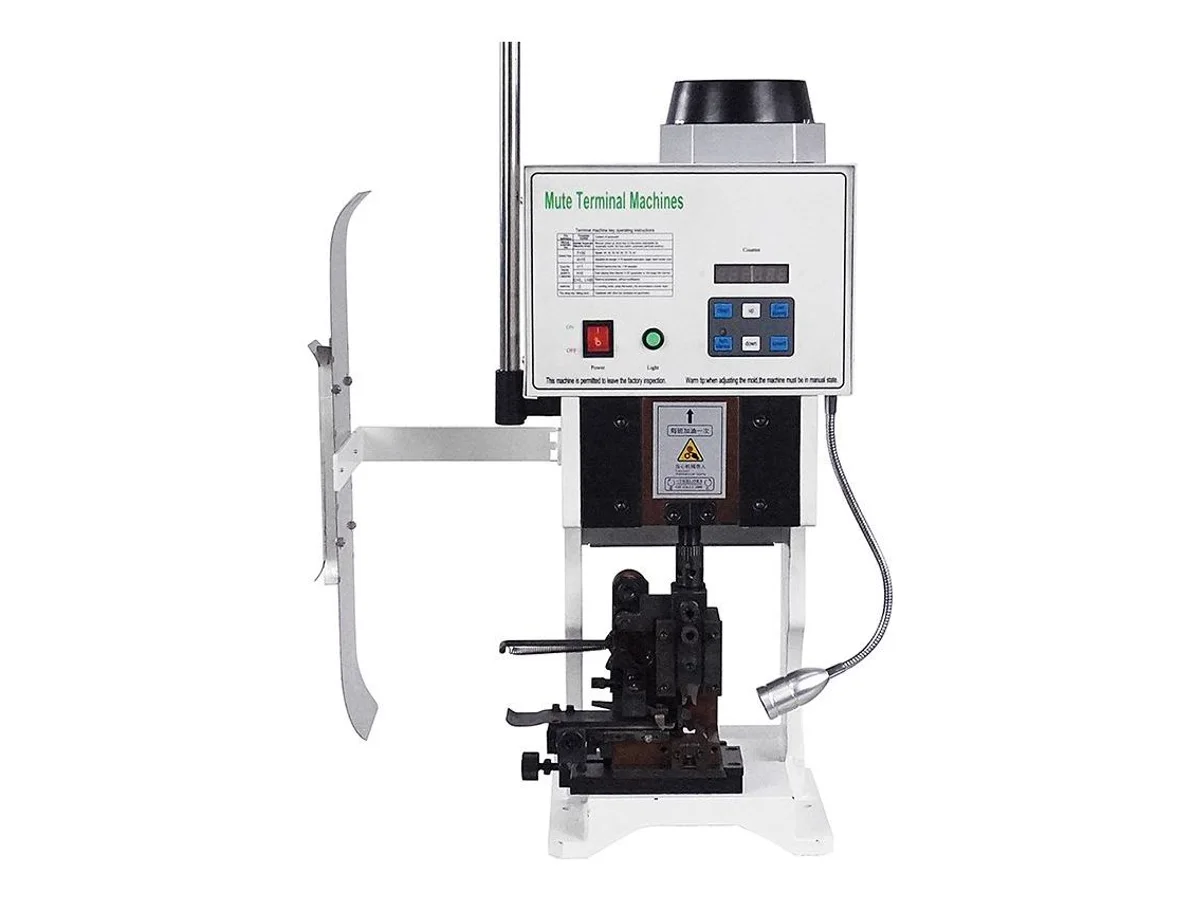
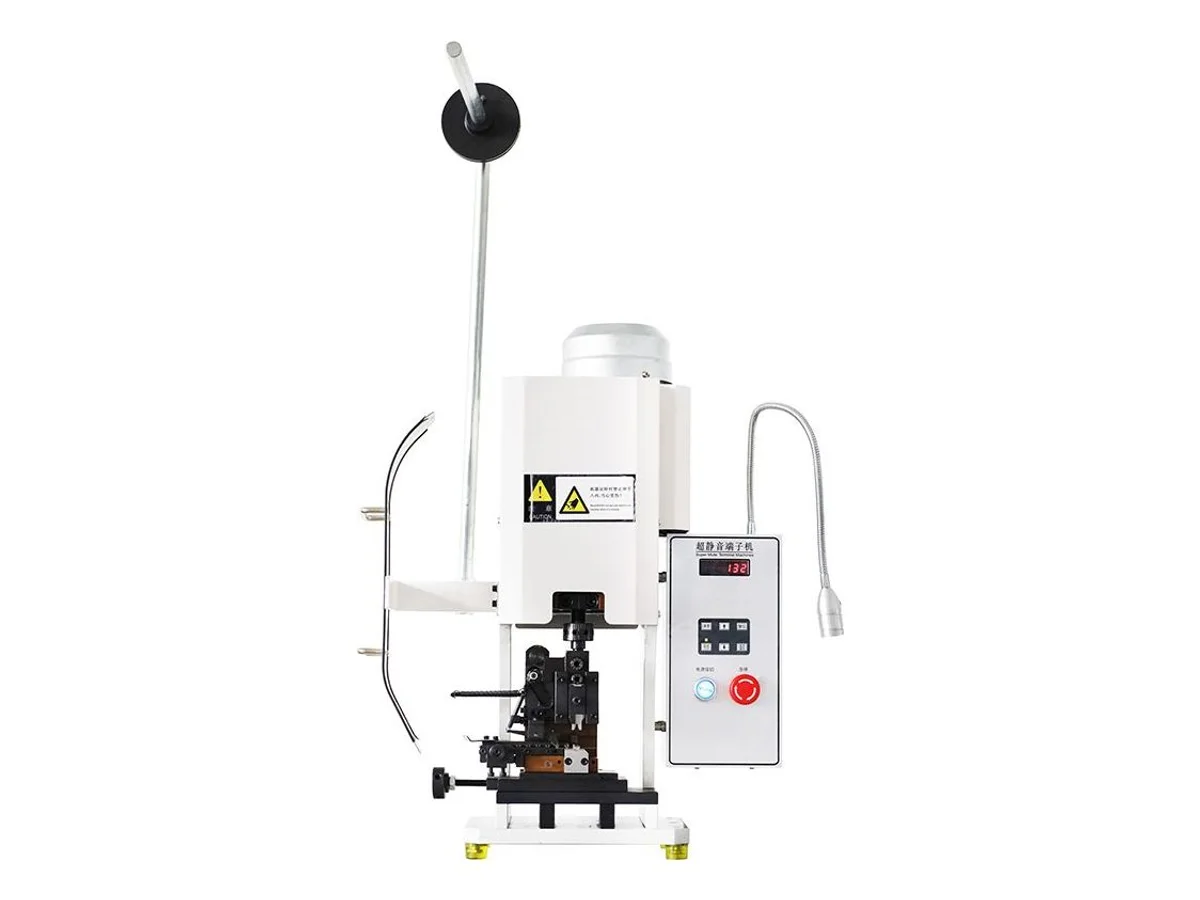
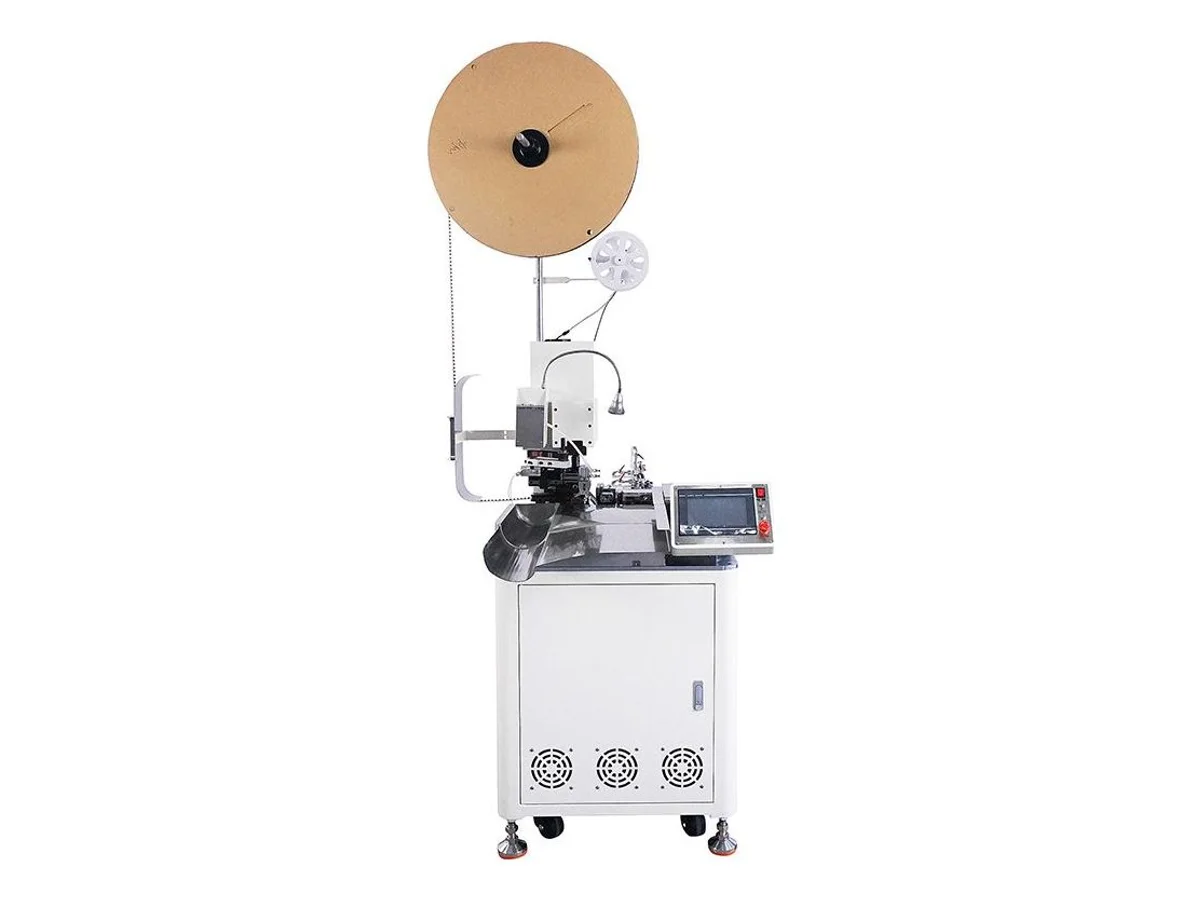
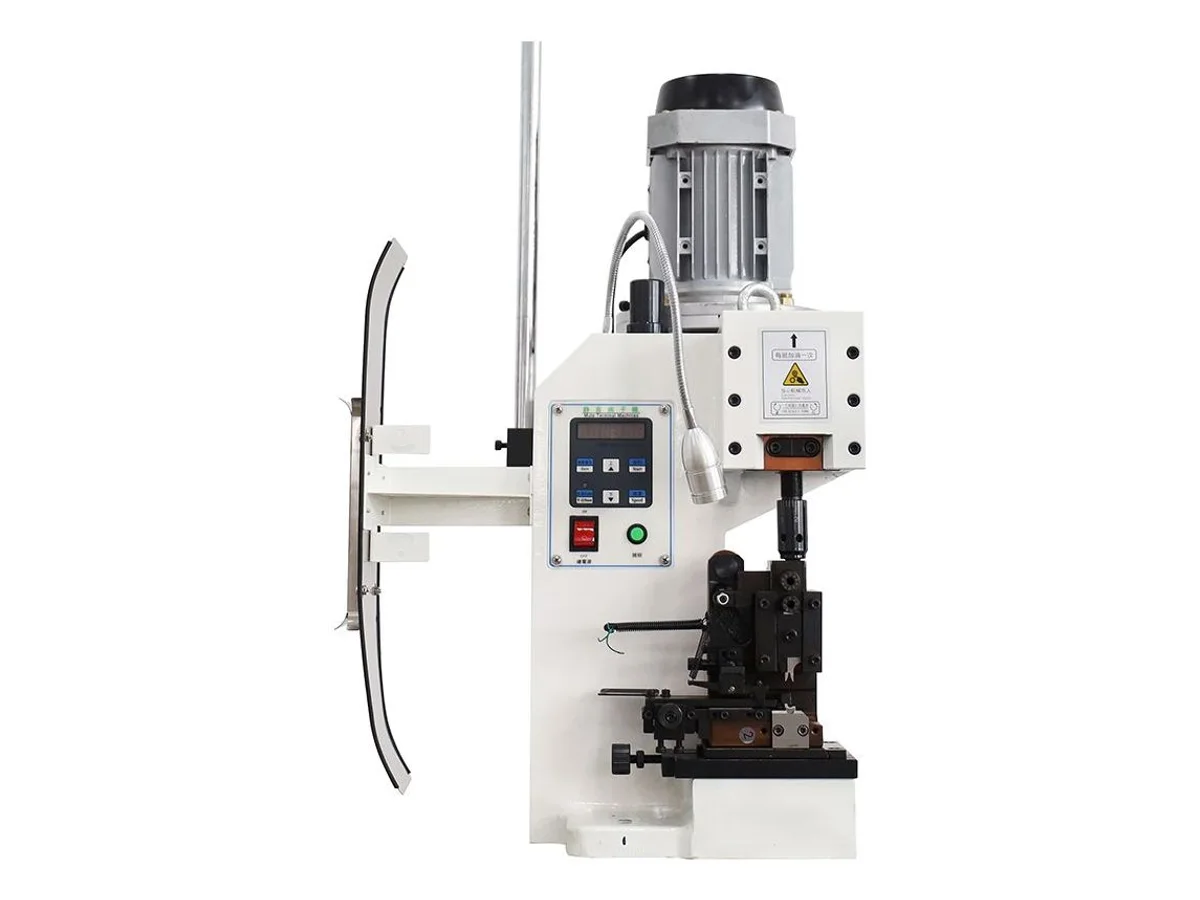
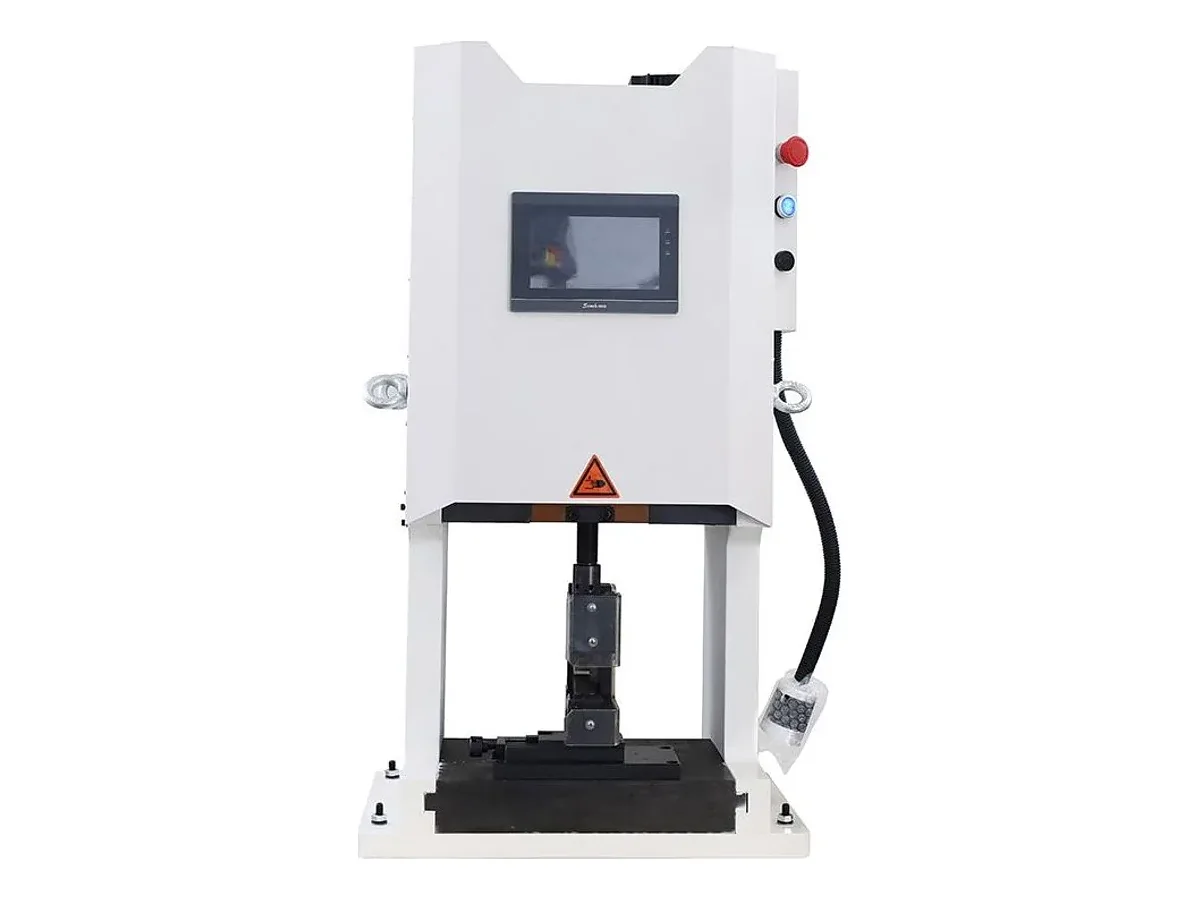
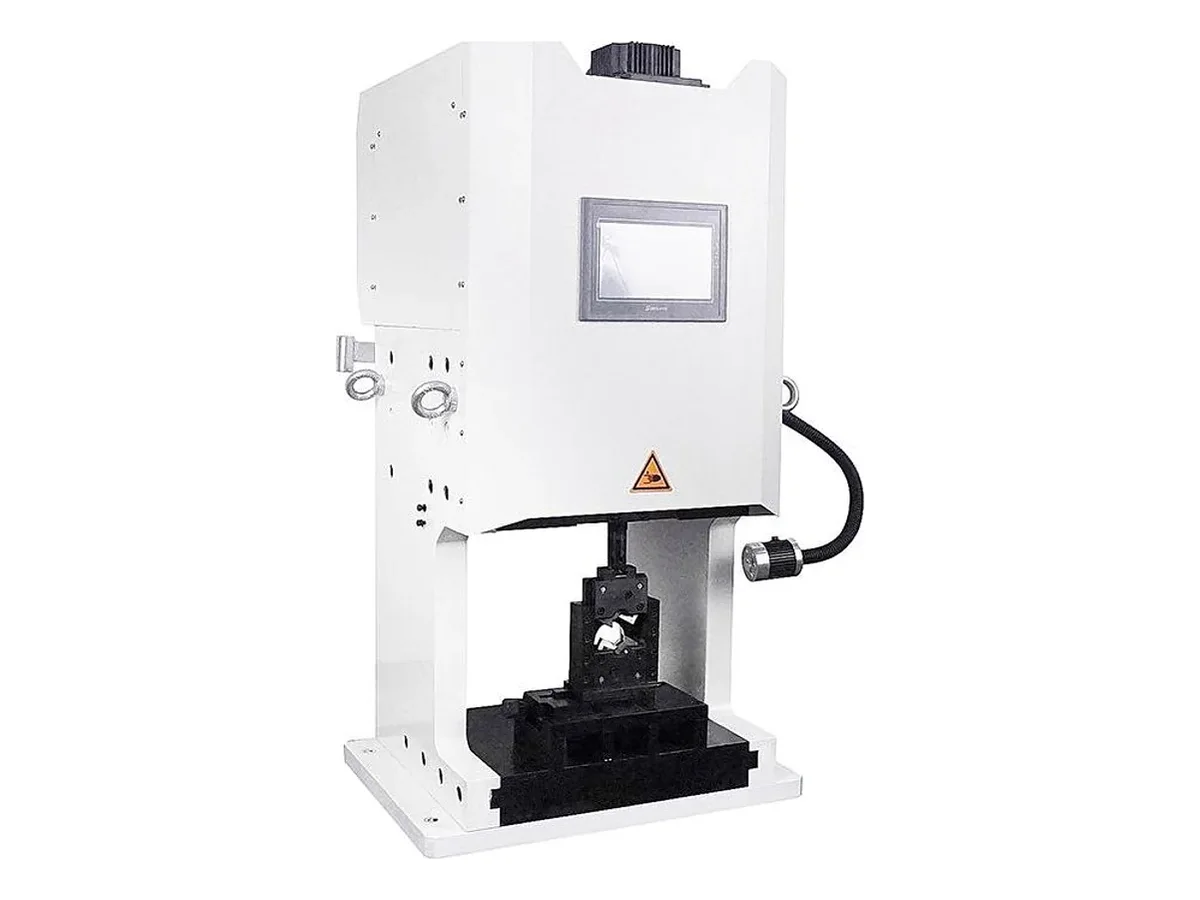
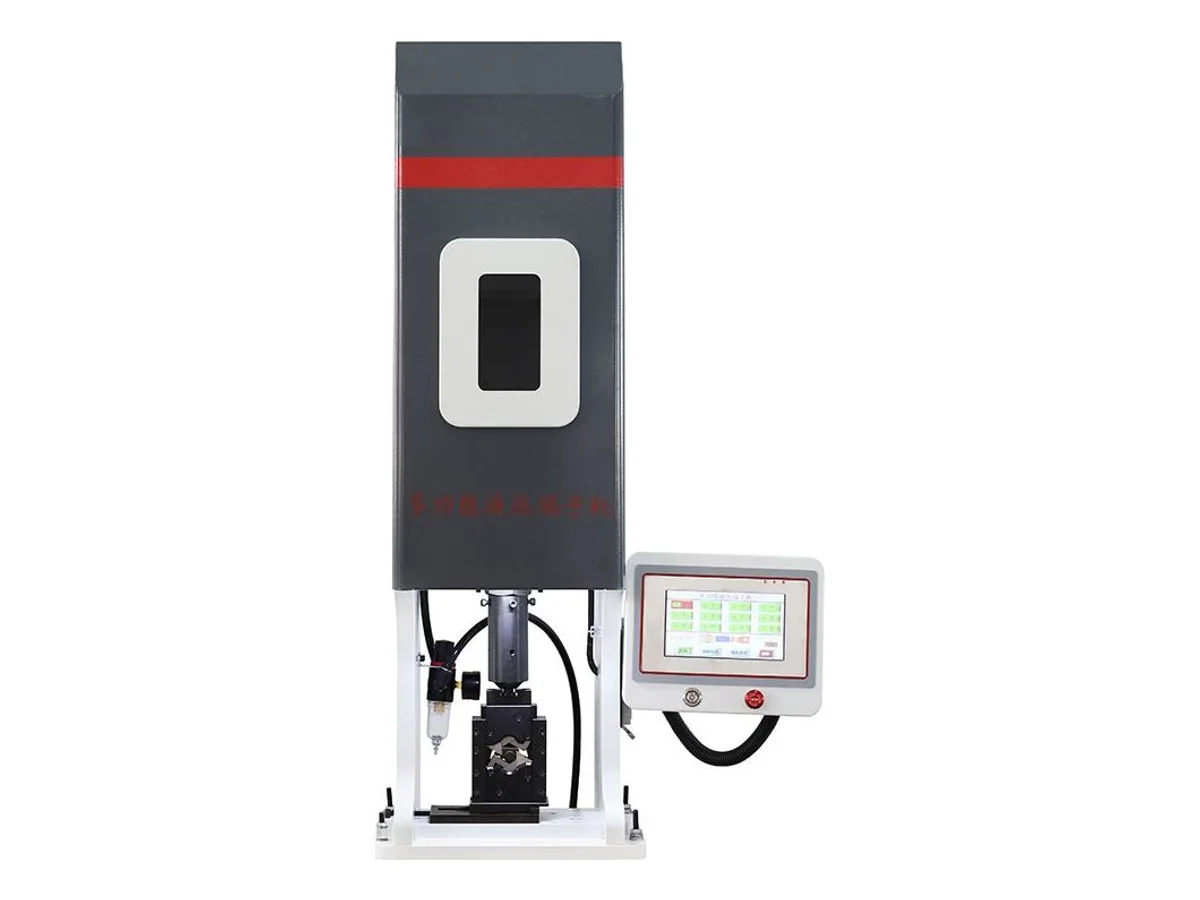
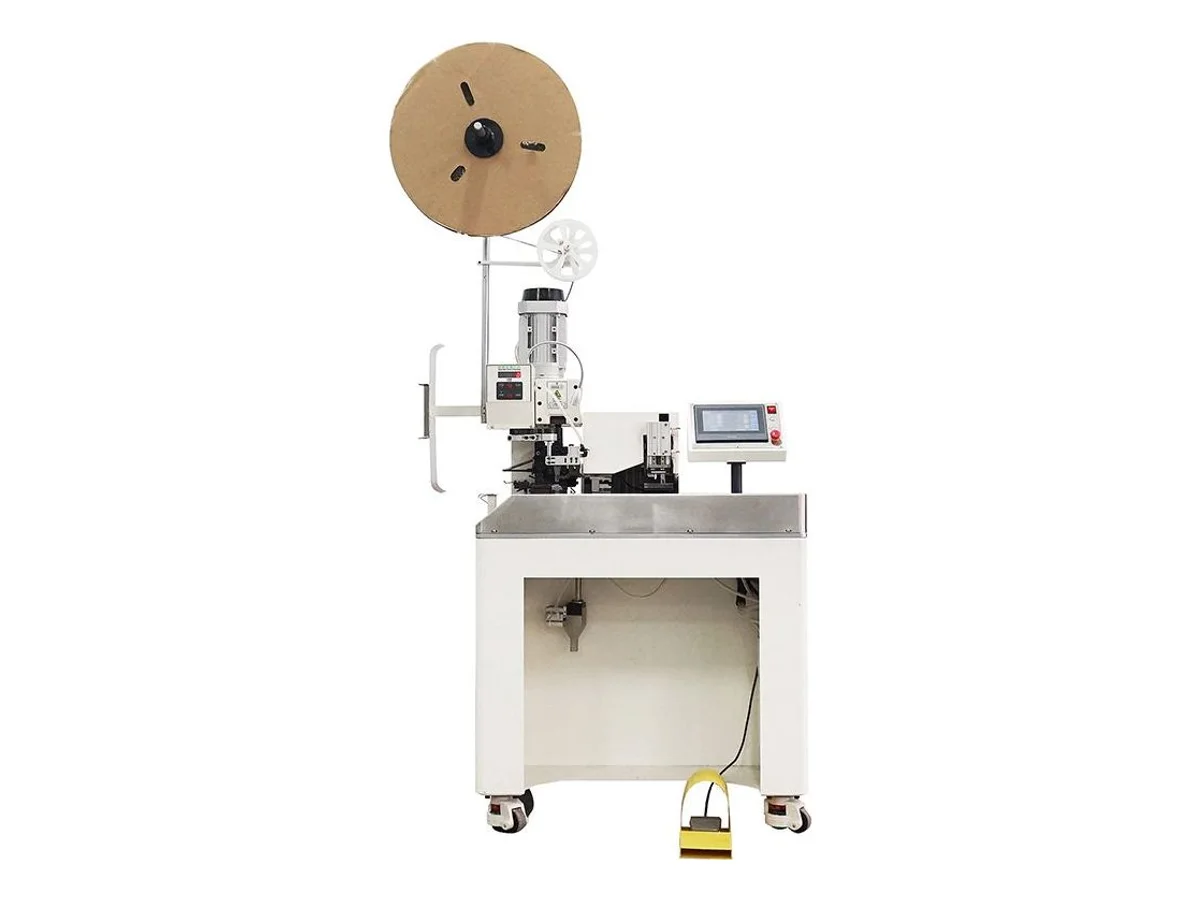
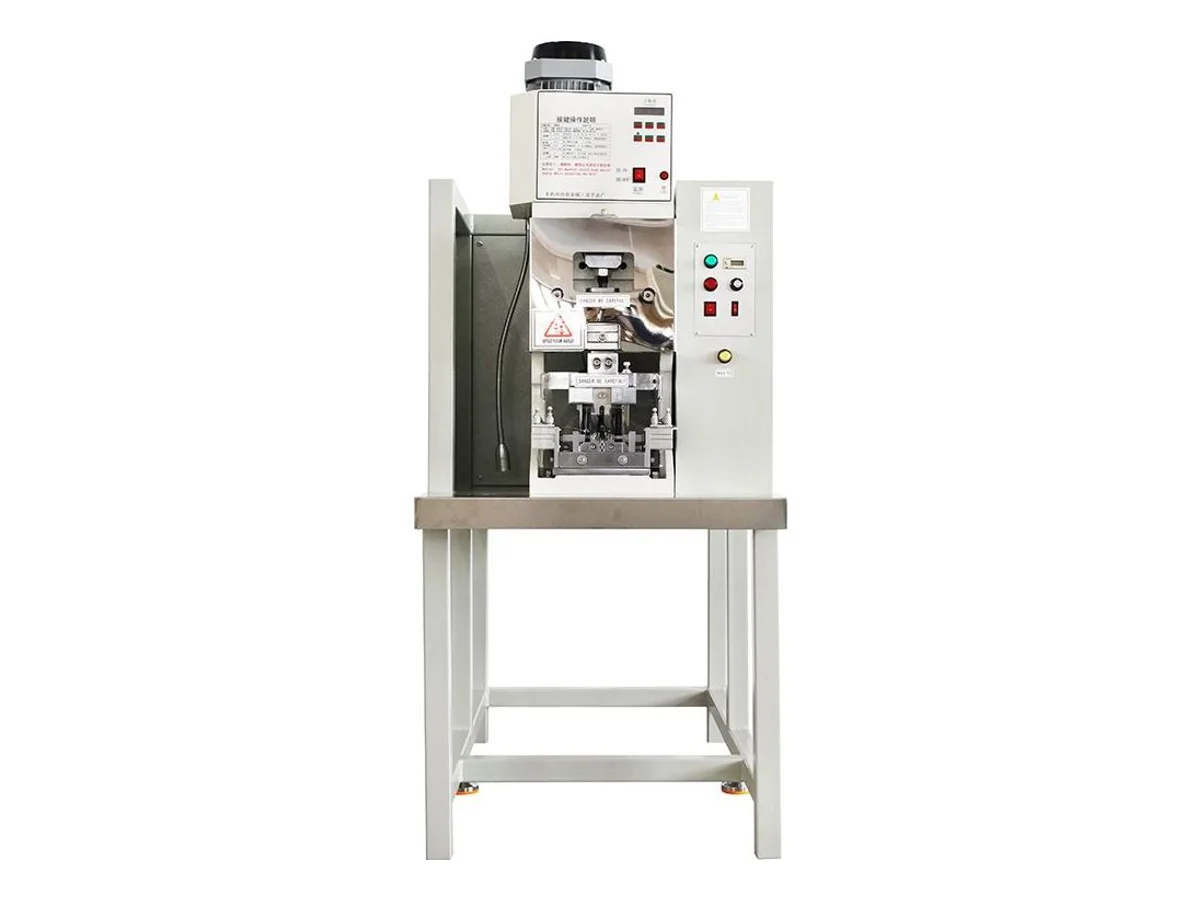
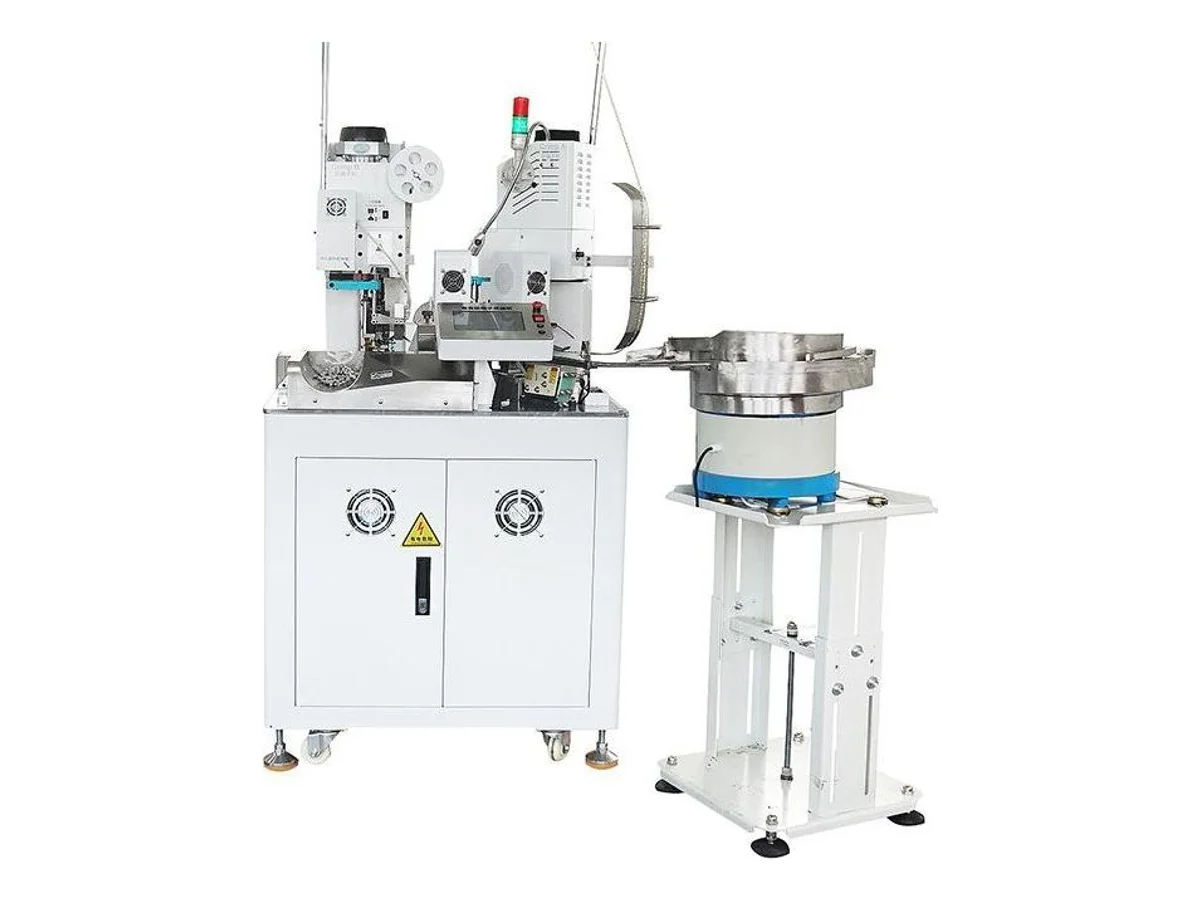
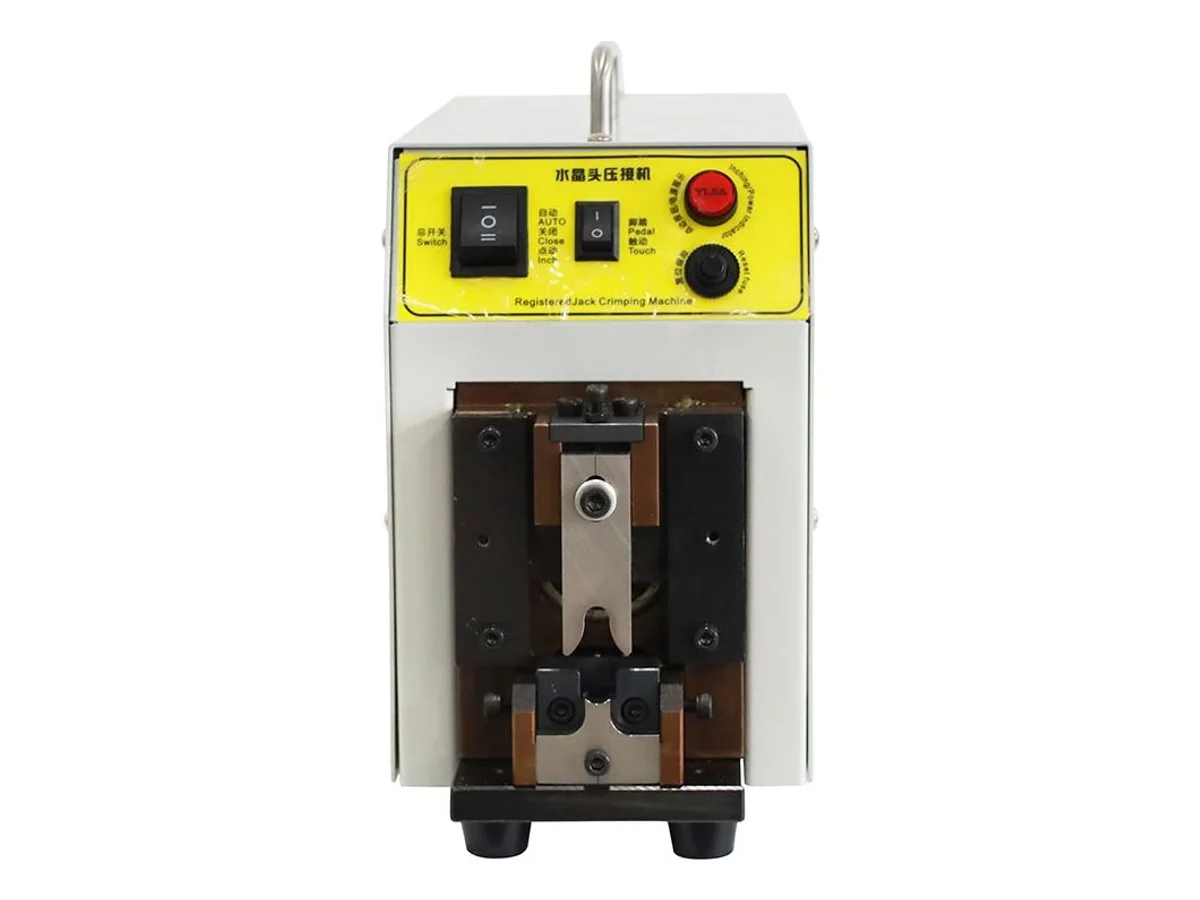
A bench press crimps whatever applicator you mount — one press, many terminals: the WM-3102T is the quiet 2-ton standard, the WM-3229 the cast-iron version, and the WM-3120BT adds stripping before the crimp. They take interchangeable applicators (Chinese 30 mm or European 40 mm stroke — the parts page explains the standards). An automatic line buys throughput: the WM-3210 crimps both ends servo-driven at 4,000–4,800 pcs/h, the WM-3202 runs 3,800+, the WM-392 feeds five wires for ≈5,000 pcs/h, and the WM-3215 places 15,000 terminals per hour on flat ribbon. Lug crimping is a force problem, not a speed problem: the WM-3218 presses 13 tons hydraulically for lugs to 75 mm², the WM-3234 crimps EV charging cable at 10 or 20 tons up to 120 mm², the WM-3240 makes servo-controlled hexagonal crimps on 10–120 mm², and the WM-3135T tops out at 35 tons. In between sit the portable tools: the WM-3238 (pneumatic, 2 kg, 0.25–6 mm²) and the WM-3239 (electric, mains-only, 0.25–10 mm²).

Past the crimp: ferrules, seals, housings

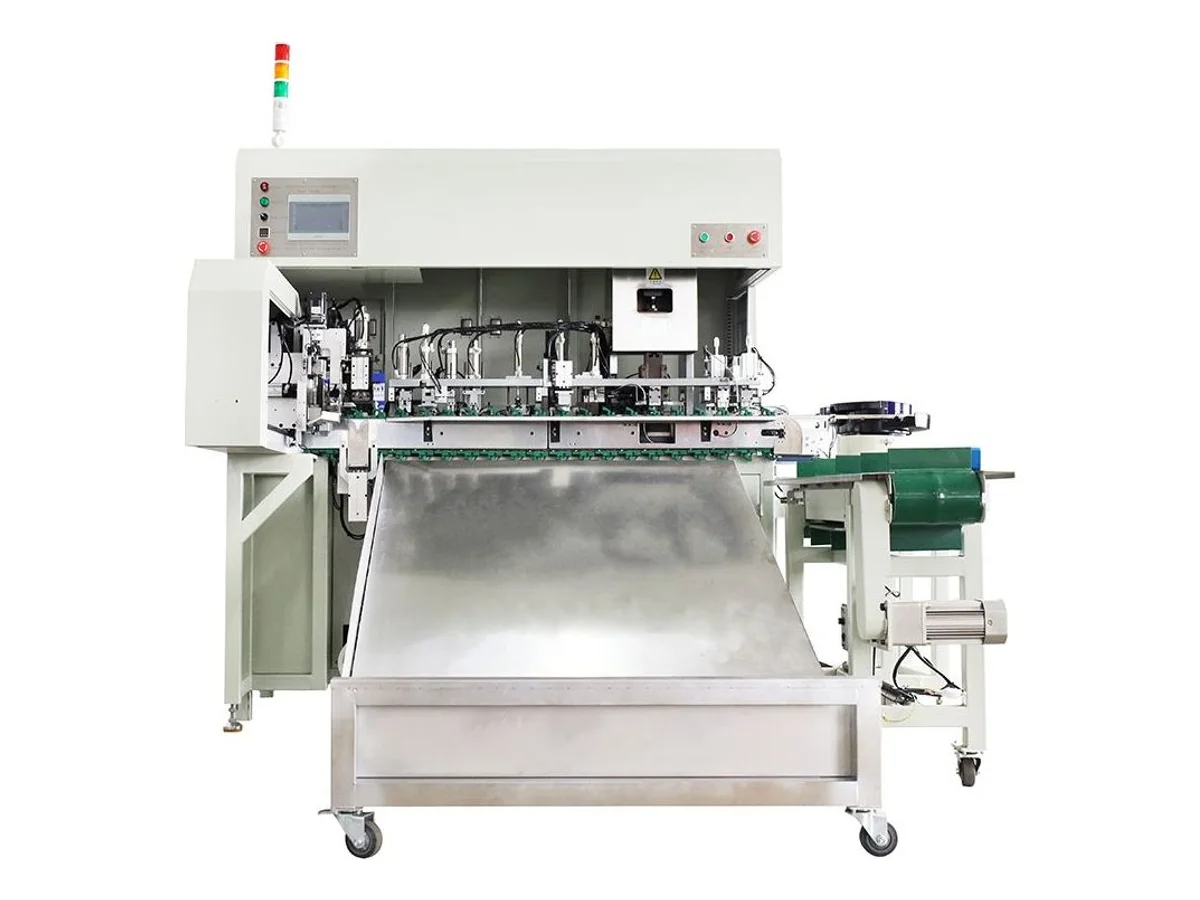
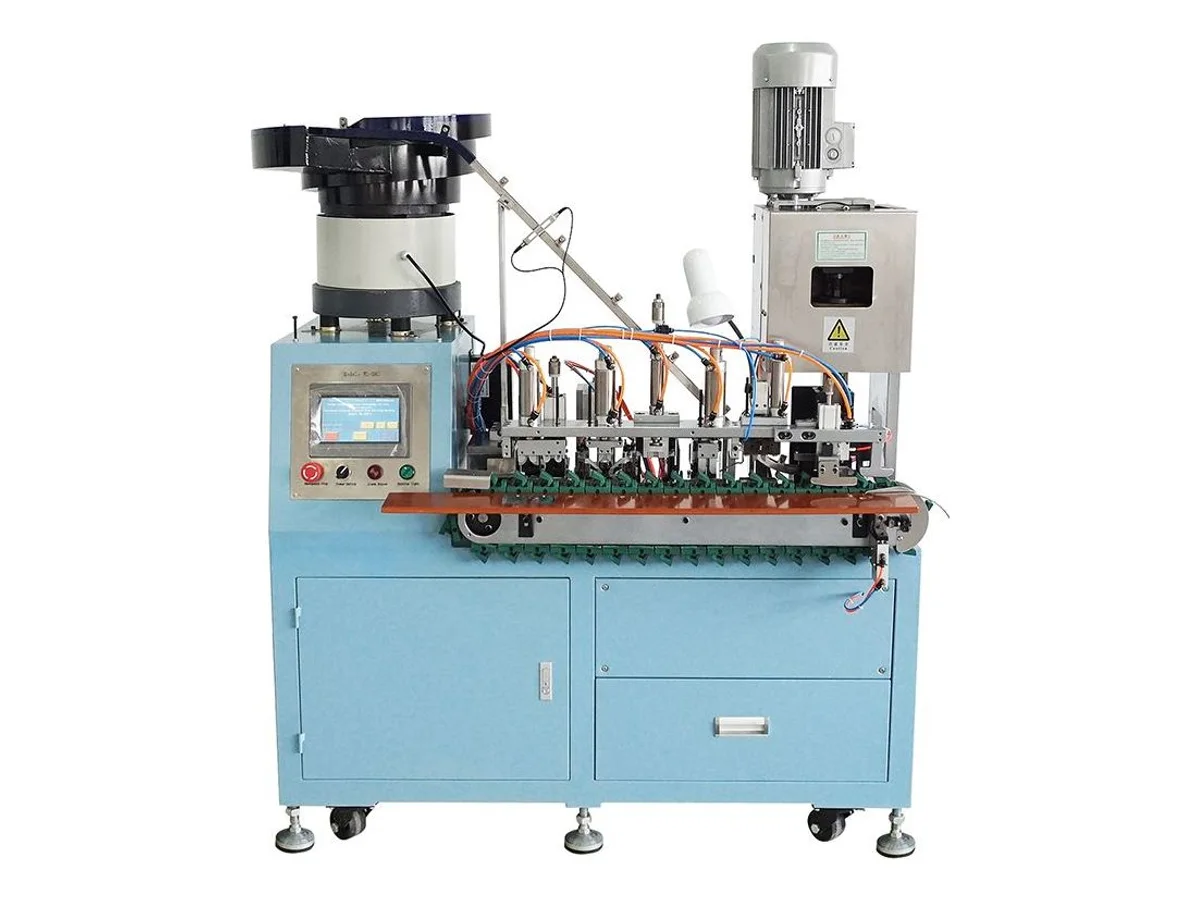
Ferrules (bootlace ends for screw terminals) have their own machines because the tooling differs from open-barrel terminals: the WM-3103 crimps loose ferrules of 0.35–4 mm² in 2.5 s, the WM-3116 spans 0.3–16 mm², the WM-397 runs e-tube ferrules at 1,000–1,300 pcs/h. Rubber seals must go on before the crimp: the WM-377 inserts seals and crimps both ends at 3,000 pcs/h, the WM-3222 strips, seats the seal and crimps semi-automatically, the WM-3231 places seals up to 13 × 14 mm at 60 cycles/min. Housing insertion finishes the job: the WM-362S crimps and inserts single-ended at 2,200 pcs/h, the WM-366 fills up to 6,000 cavities per hour, and the semi-automatic multi-core family — WM-3226, WM-3232, WM-3237, WM-3236 — takes sheathed cable through core stripping, crimping and insertion, up to 14 cores. Cord sets close the category: a power-cord line at 800–1,200 pcs/h, European pin riveting, French plug inserts, RJ45 modular plugs.

Need to cut wire, strip it and crimp a chain-fed tubular ferrule on one end? Compare the WM-3243 cut-strip-ferrule crimping machine. Its specified output is 1,500 pieces/hour for lengths within 300 mm. Ferrule presentation and wire preparation matter: our chain-fed vs loose-ferrule guide compares the complete process and changeover questions.
Copper-band splicing: a mechanical wire joint

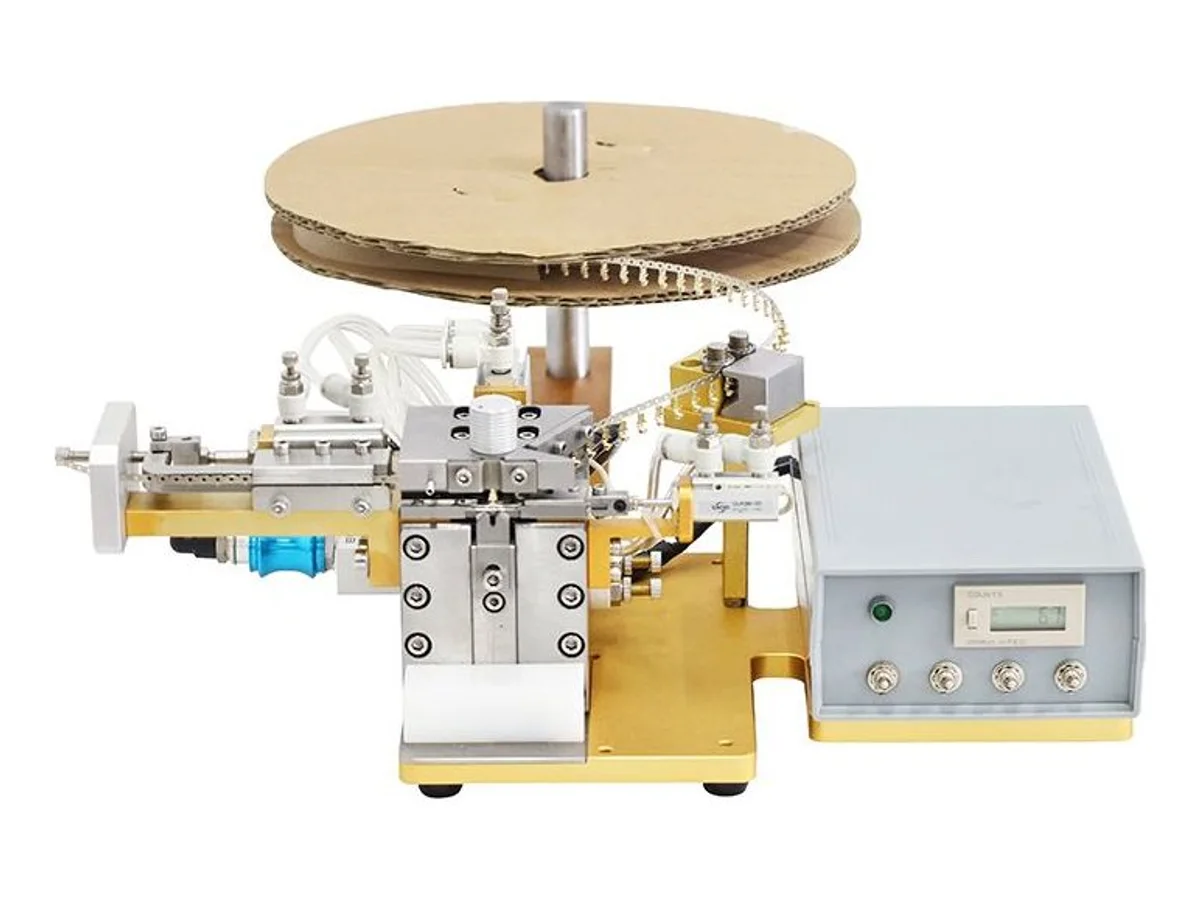
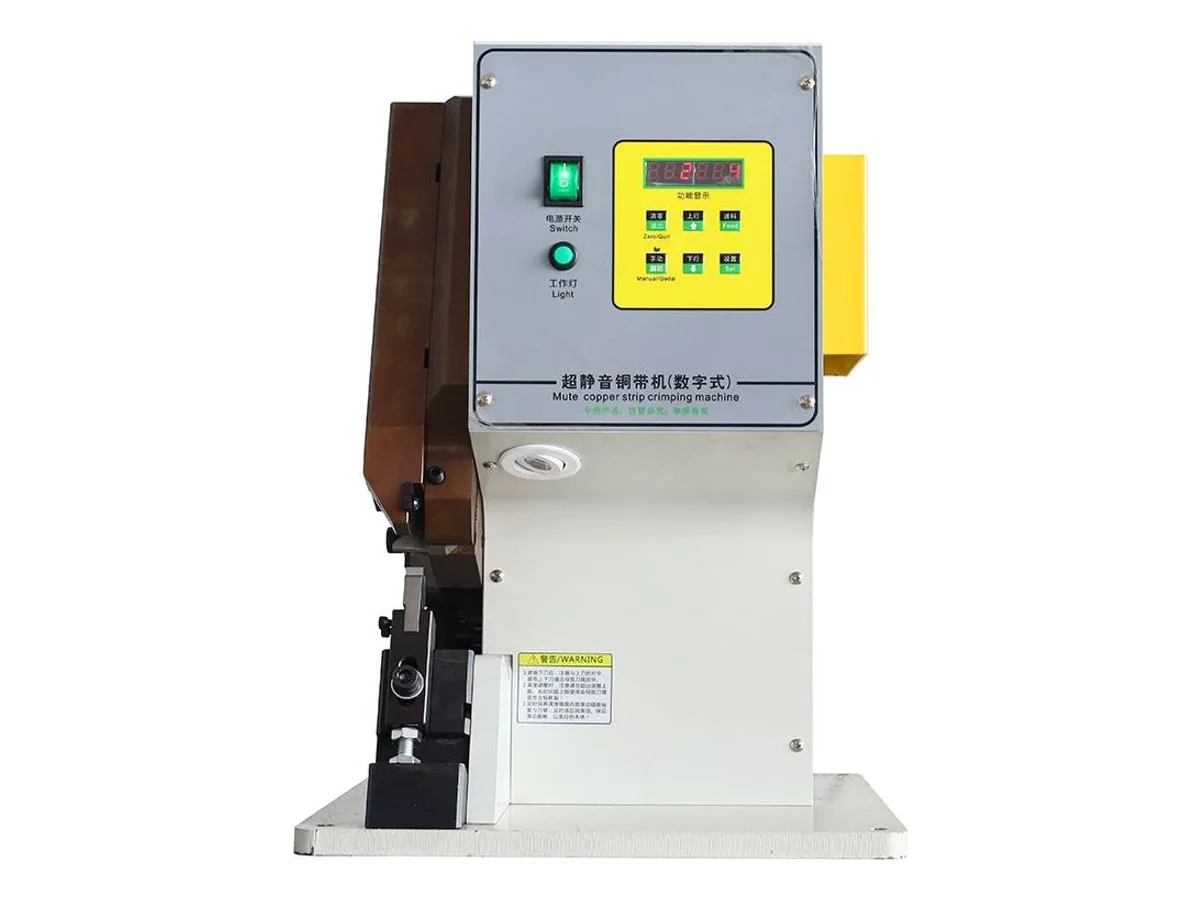
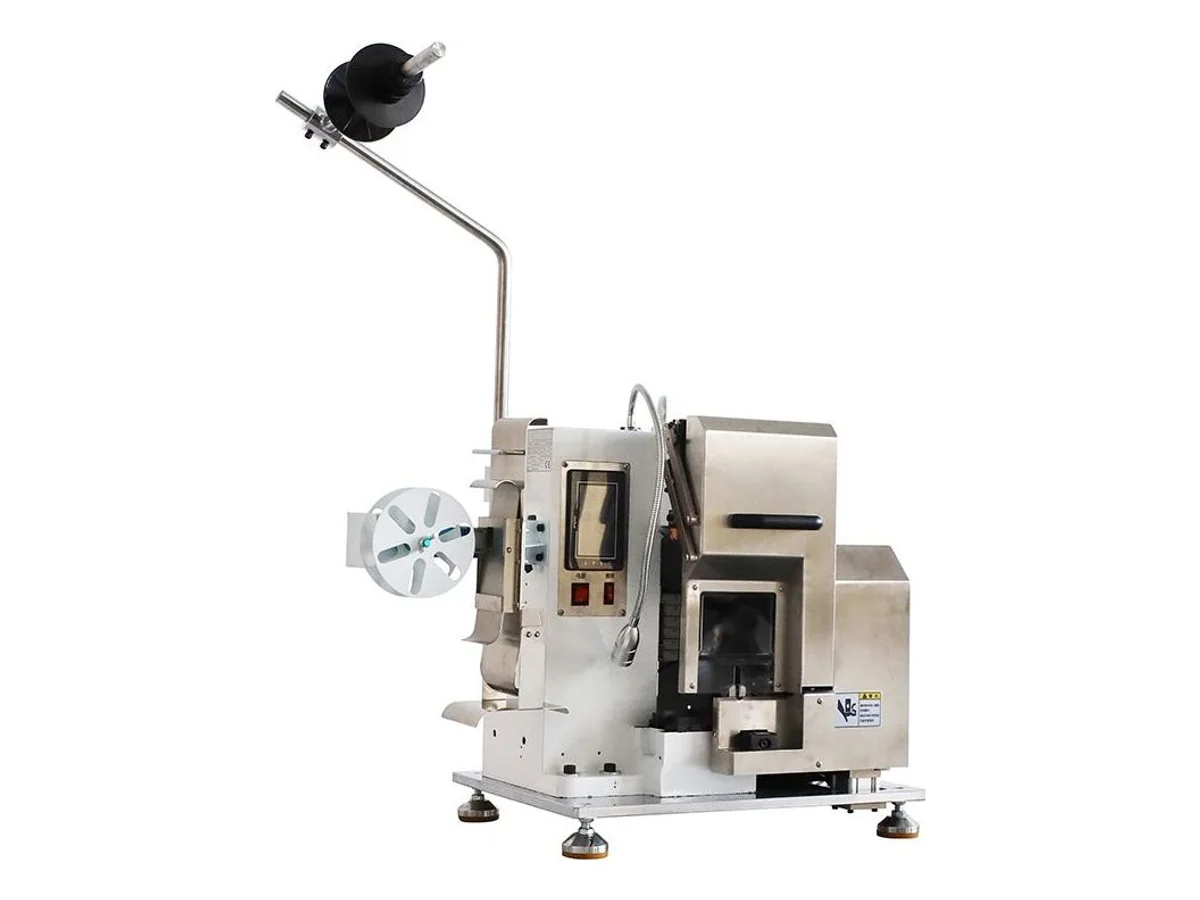
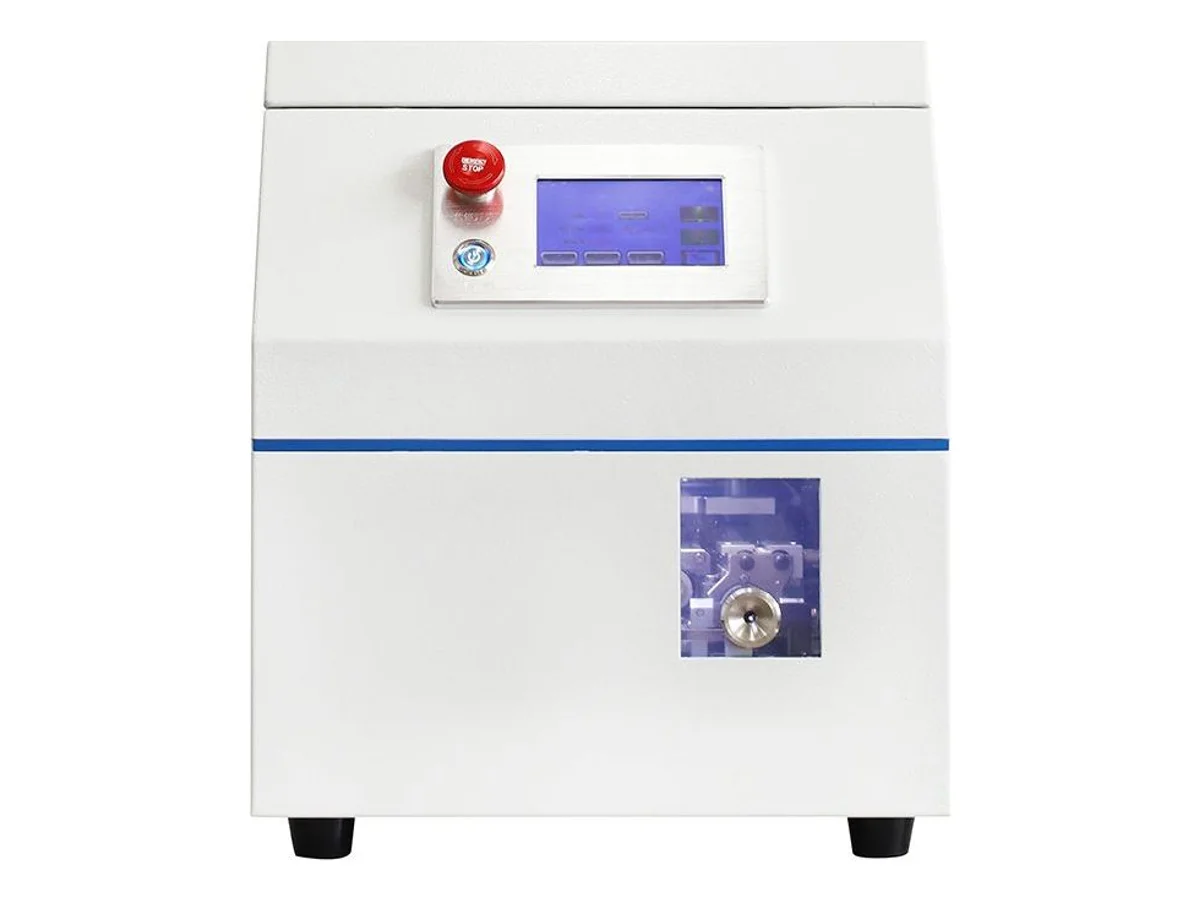
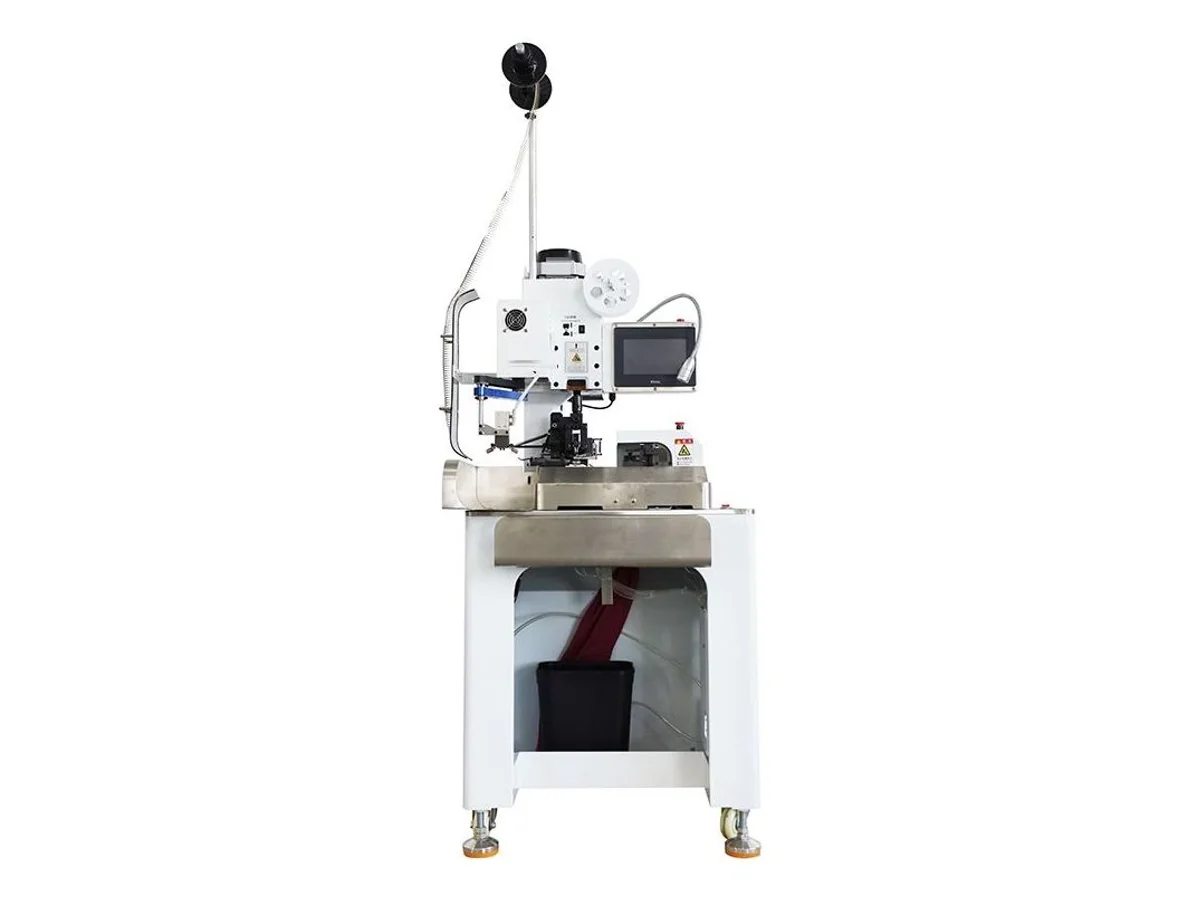
WM-715 and WM-716 feed, form and crimp copper band around the wires. Select this group for a mechanical splice; use soldering and welding equipment when the joint drawing calls for those processes.

Selected machines and specifications. Open the product page for the complete configuration; missing figures are confirmed on the quote.
MachineSegmentRangeOutput / forcePick it for
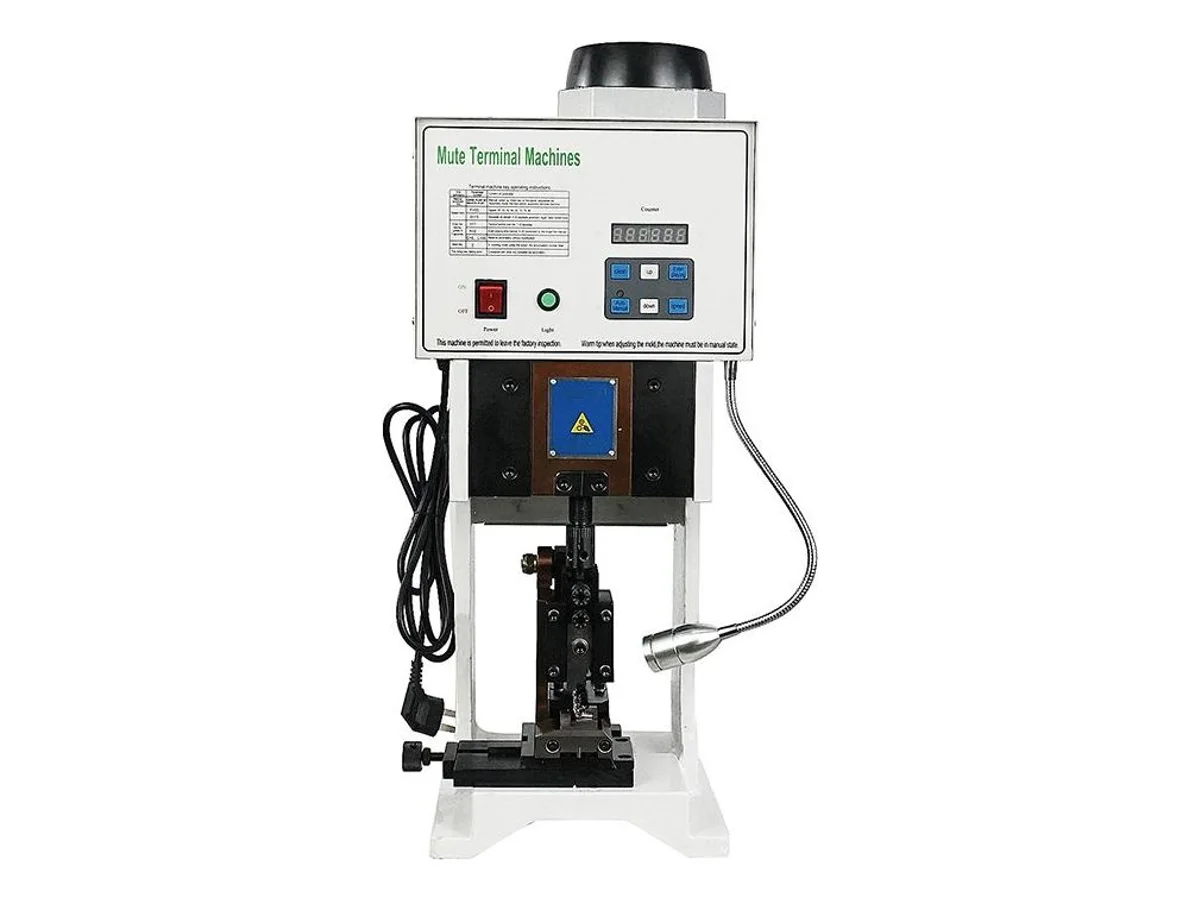
WM-3102TBench pressInterchangeable applicators2 T, low noiseThe standard press most shops start with
WM-3120BTBench press + strippingAWG 32–202 TStrip and crimp at one station
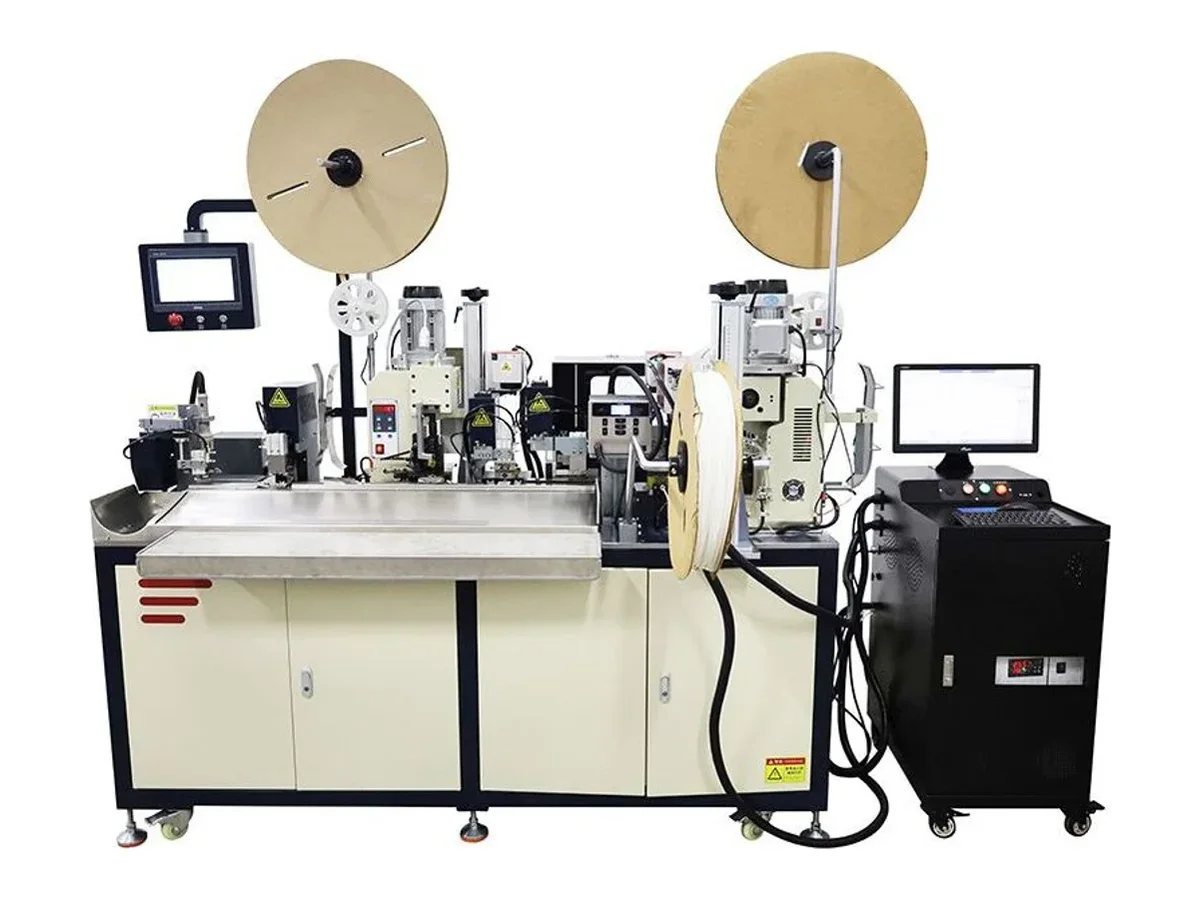
WM-3210Automatic double-end lineAWG 30–144,000–4,800 pcs/hThe fast servo line
WM-392Five-wire double-endAWG 18–32 × 5≈5,000 pcs/hParallel wires, parallel output
WM-3215Ribbon-cable crimping3–20 pin flat ribbon15,000 terminals/hThe highest terminal count here
WM-3225Double-end + sleeve insertAWG 12–323,000 pcs/hCrimp plus soft sleeve in one line
WM-377Seal insertion + crimpAWG 28–163,000 pcs/hWaterproof connectors at volume
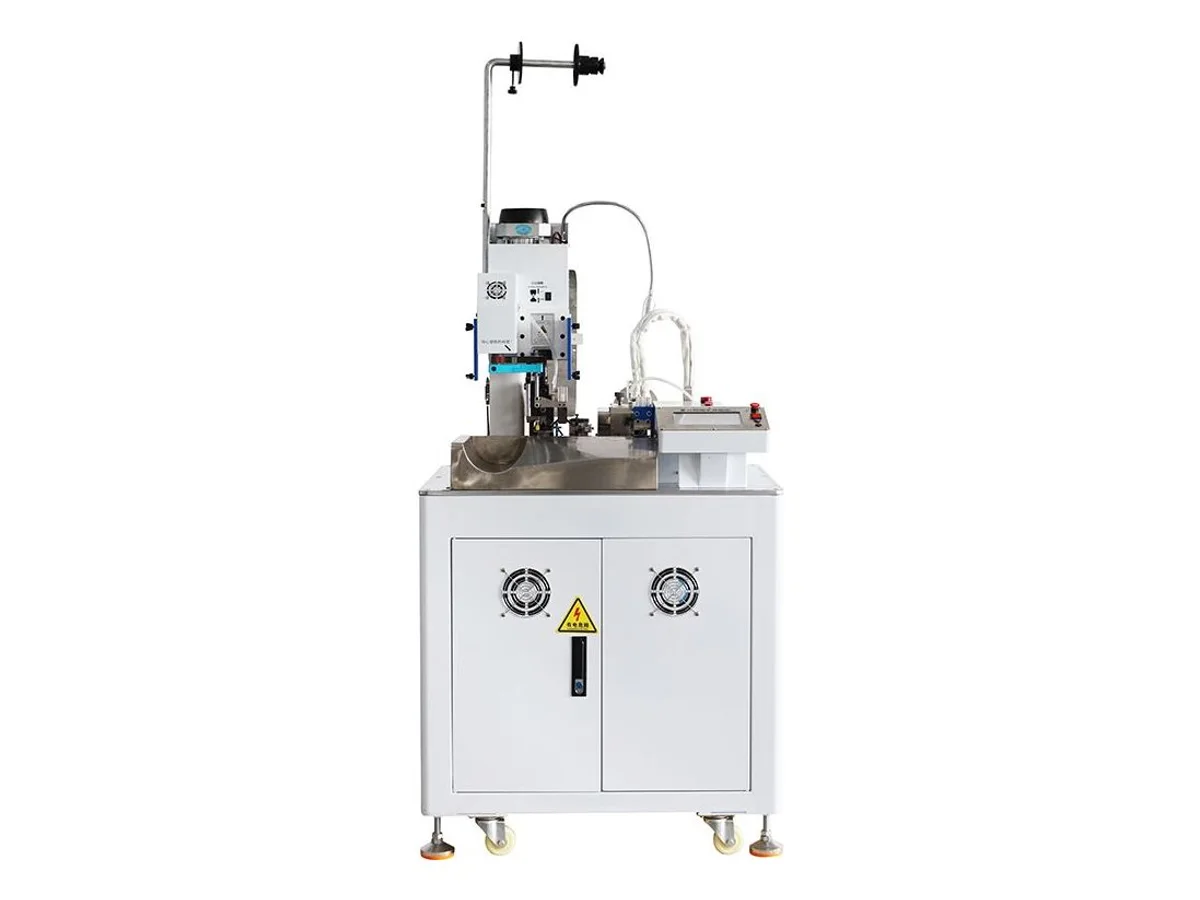
WM-3222Strip + seal + crimp, semi-autoWire OD 1.0–4.0 mm1,200–1,500 pcs/hSeals without a full line
WM-362SCrimp + housing insertionAWG 28–202,200 pcs/hFrom wire to filled connector
WM-366Housing insertionAWG 30–18≤6,000 holes/hFilling cavities at line speed
WM-3232Multi-core semi-auto2–14 cores, AWG 22–301,000–1,300 pcs/hSheathed cable to crimped cores
WM-3103Ferrule crimping0.35–4 mm² loose ferrules2.5 s/pcBootlace ends for control cabinets
WM-3116Ferrule, wide range0.3–16 mm²≈4 s/pcThe big-ferrule bench machine
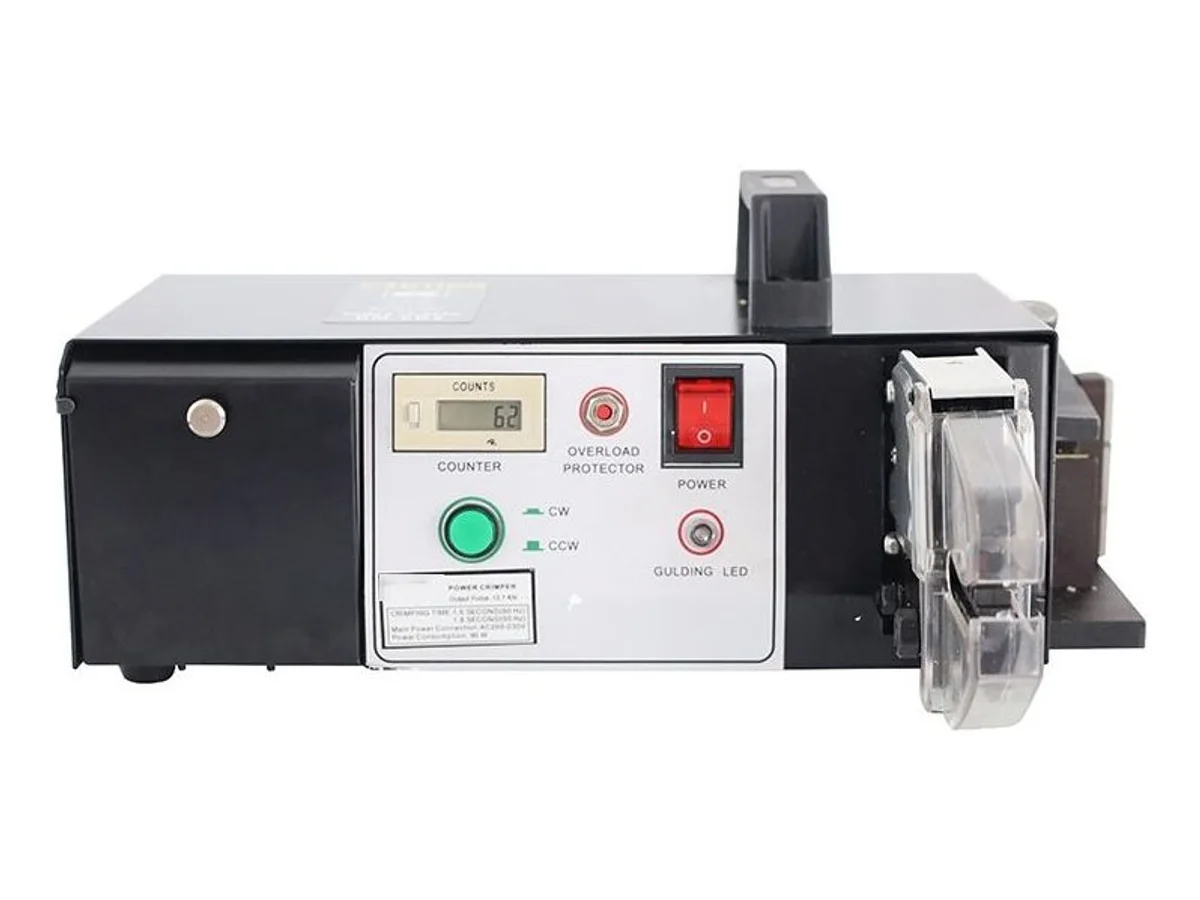
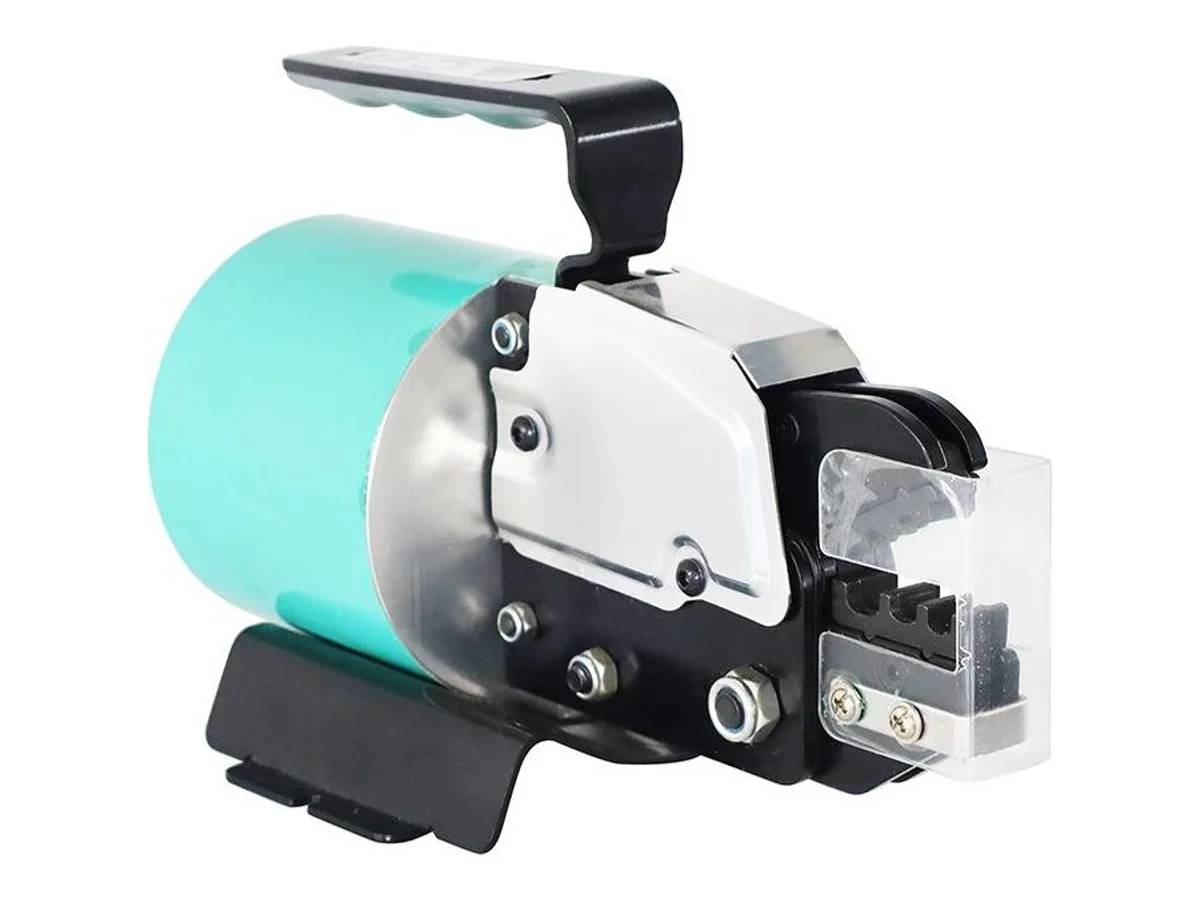
WM-3238Portable, pneumatic0.25–6.0 mm²1.3 T, 2 kgCrimping that travels to the harness
WM-3239Portable, electric0.25–10 mm²12.7 kN, mains onlyNo compressor needed
WM-3218Hydraulic lug crimpingLugs 0–75 mm²13 TPower lugs, guided dies
WM-3234EV cable lug crimping1–70 / 6–120 mm²10 T / 20 TCharging-gun cable terminations
WM-3240Servo hexagonal lug10–120 mm²20 T class, servoHex crimps with programmed force
WM-361CPower cord line2-pin plugs800–1,200 pcs/hCord sets end to end

Frequently asked questions

How should I compare a bench press with an automatic line?

Compare the full batch: wire preparation, loading, setup, terminal replenishment, inspection and accepted output. A short machine cycle is not the same as sustained production. Use your recurring part numbers and changeover frequency to compare configurations in our automatic vs semi-automatic selection guide, then confirm performance with a sample run.

What press force do I actually need?

Ordinary open-barrel terminals on wire to about 6 mm² crimp comfortably at 2 tons — the standard bench class. Force requirements jump with lugs: published pairings here are 13 T for lugs to 75 mm² (WM-3218), 10–20 T for EV cable to 120 mm² (WM-3234), servo-controlled hex crimping on 10–120 mm² (WM-3240), and 35 T at the top (WM-3135T). Buying force you do not need buys you nothing — the terminal and wire decide.
Are ferrules crimped on the same machines as terminals?

No — ferrule (bootlace) tooling forms a square or trapezoid gas-tight sleeve rather than an open-barrel wrap, so the machines are separate: the WM-3103 crimps loose ferrules of 0.35–4 mm² in 2.5 seconds, the WM-3116 spans 0.3–16 mm², and the WM-397 feeds e-tube ferrules at 1,000–1,300 pcs/h.

Can a machine insert the rubber seal and the housing too?

Yes, at two levels. In-line: the WM-377 threads the seal and crimps both ends at 3,000 pcs/h; the WM-3225 adds soft-sleeve insertion. Semi-automatic: the WM-3222 strips, seats the seal and crimps; the WM-3231 places seals to 13 × 14 mm at 60 cycles/min; and for housings, the WM-362S and WM-366 insert crimped wires into cavities at up to 6,000 holes per hour.

What should an inquiry include?

The terminal drawing or 20–30 cm of the reel strip, the wire specification, whether seals or housings are part of the operation, and target pieces per hour. Applicator standard matters for presses — say what press you run, or read the applicator guide on our parts page. Then courier terminal and wire samples: we crimp them on the actual machine and send the video with crimp-height measurements before you order.

What determines the quotation for a terminal crimping machine?

The quotation depends on the operations required, wire and terminal combination, matched applicator or dies, feeding arrangement, detection and sample-validation requirements. Send your terminal drawing, wire specification and email address. Our engineering team and business specialists will contact you within 12 hours with a quotation proposal. Every quote lists wear parts with unit price and the location they ship from.

Selection and troubleshooting guides

Engineering guidance for choosing this process and correcting the defects that affect finished-wire quality.

Other categories

👋 Need help choosing a machine? Ask me about specifications, processes and sample trials.
Email
Wiro — Equipment Assistant Equipment guidance · quotation team replies within 12 h