🌐 English ▾

Wire Winding, Coiling & Binding Machines

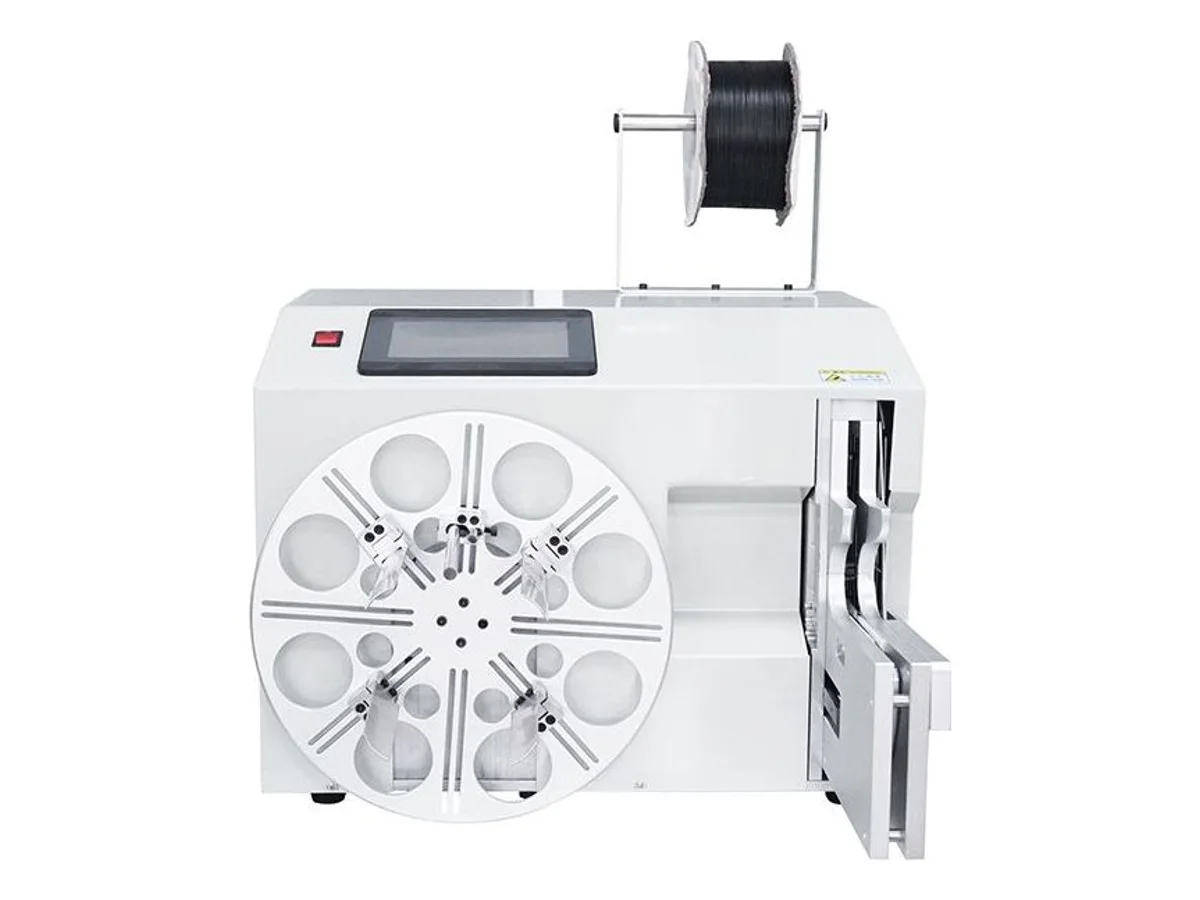
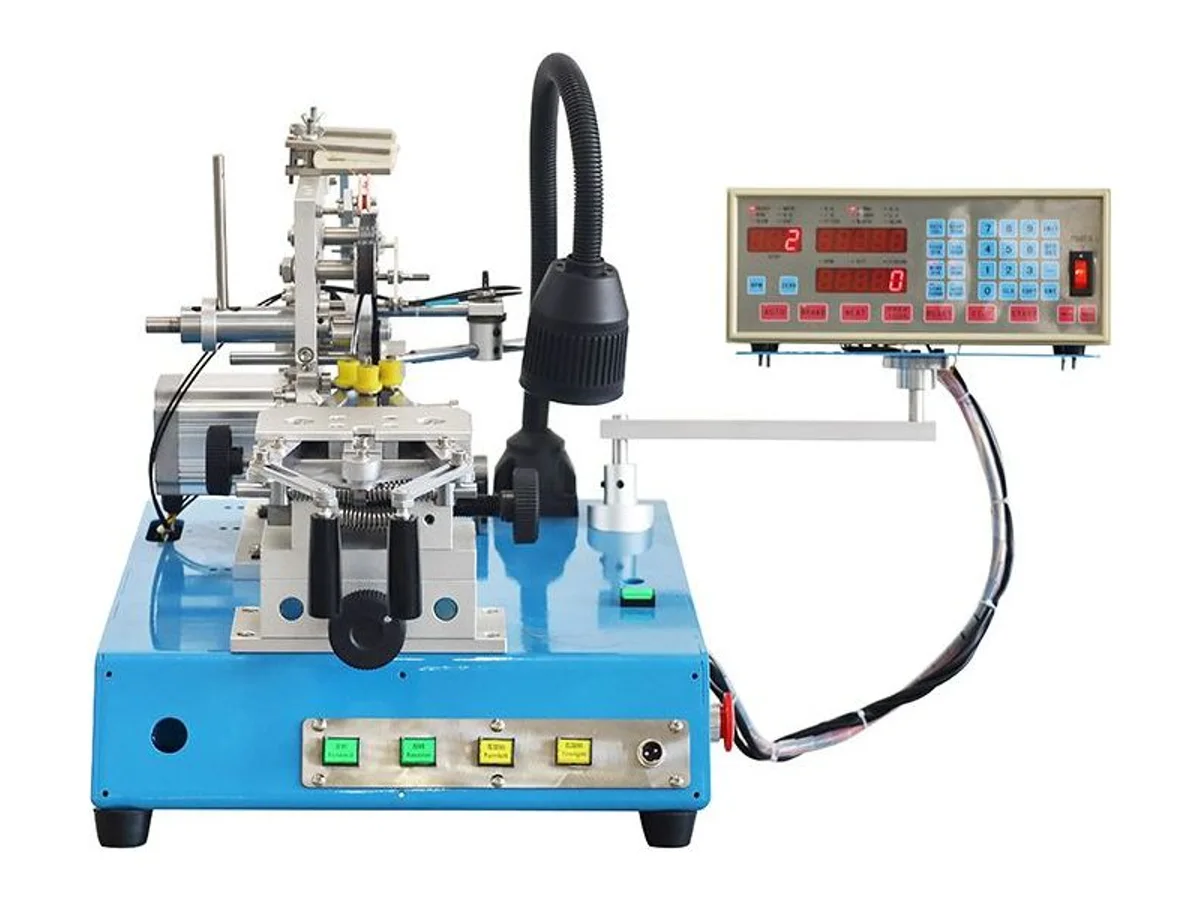
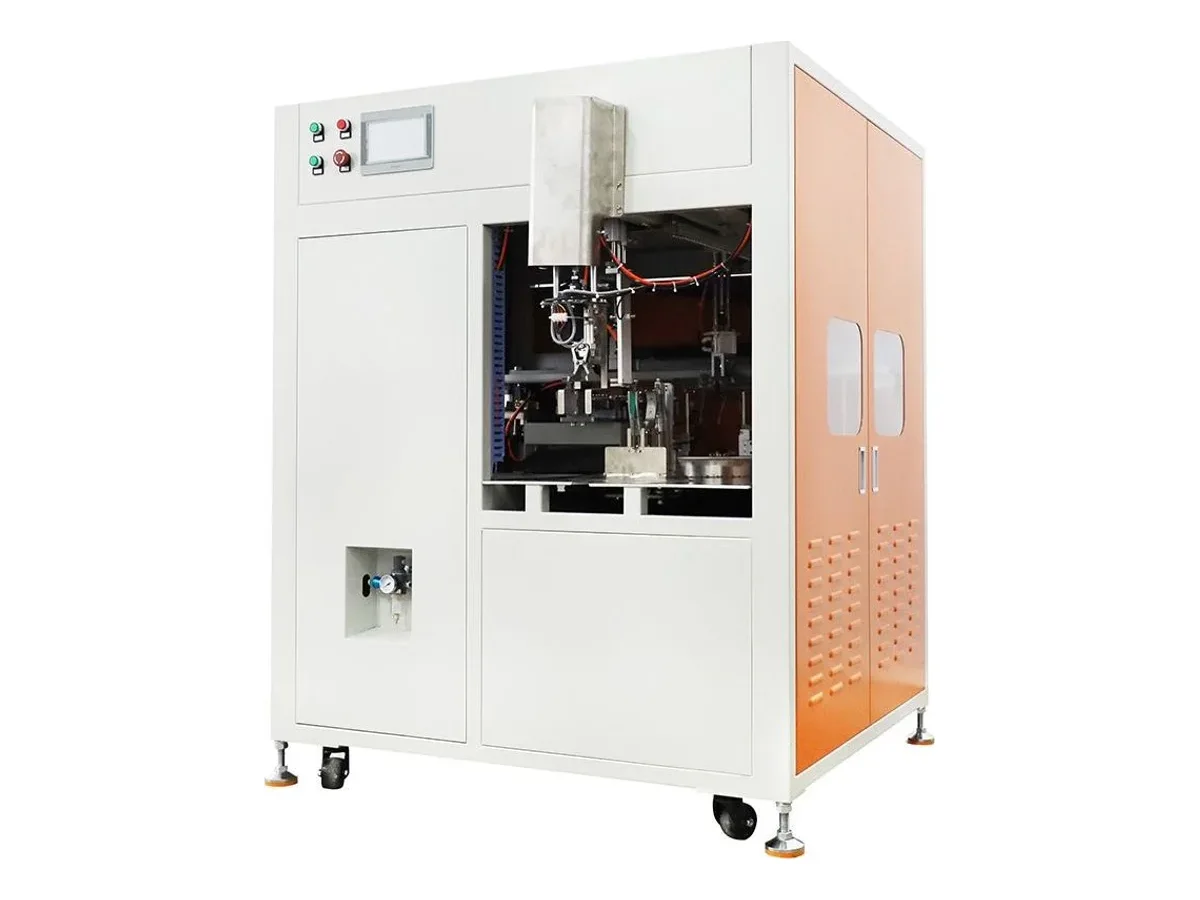
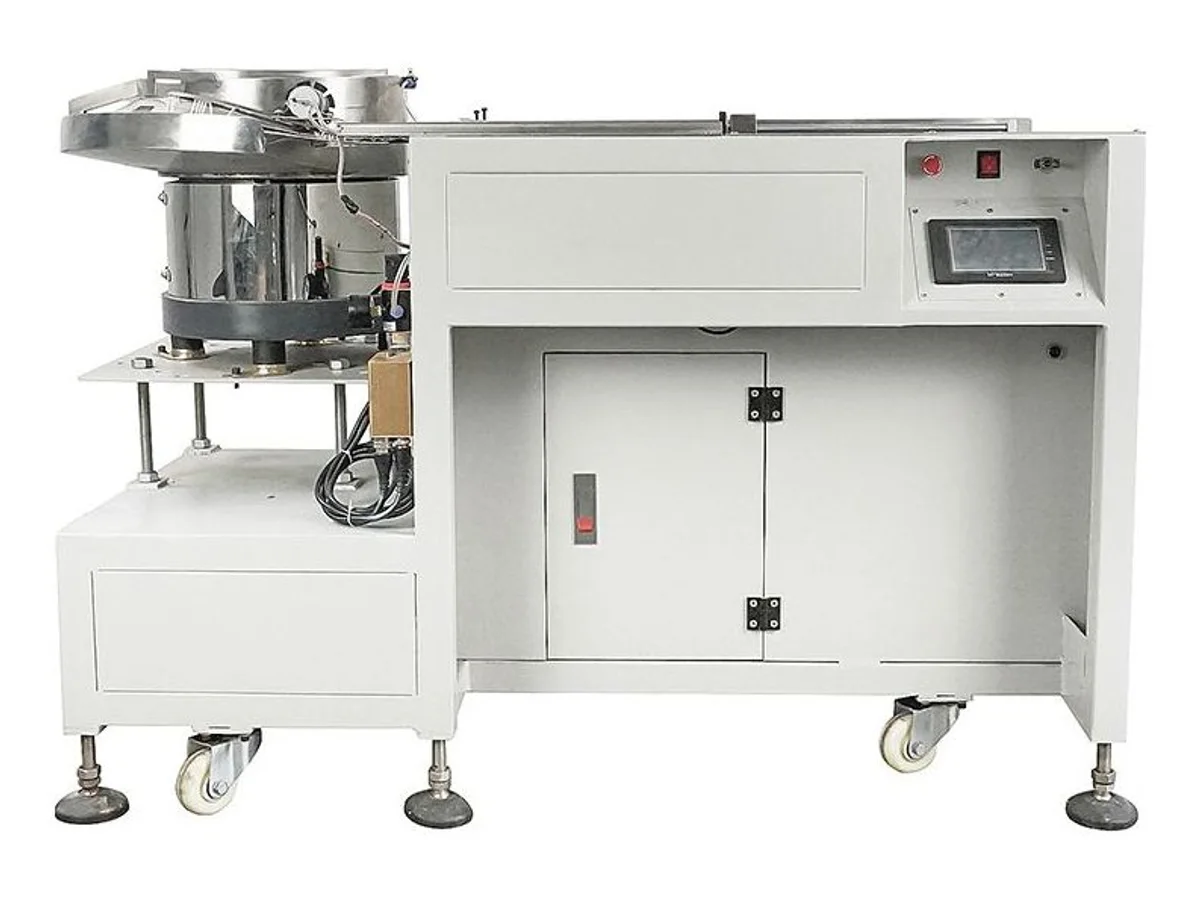
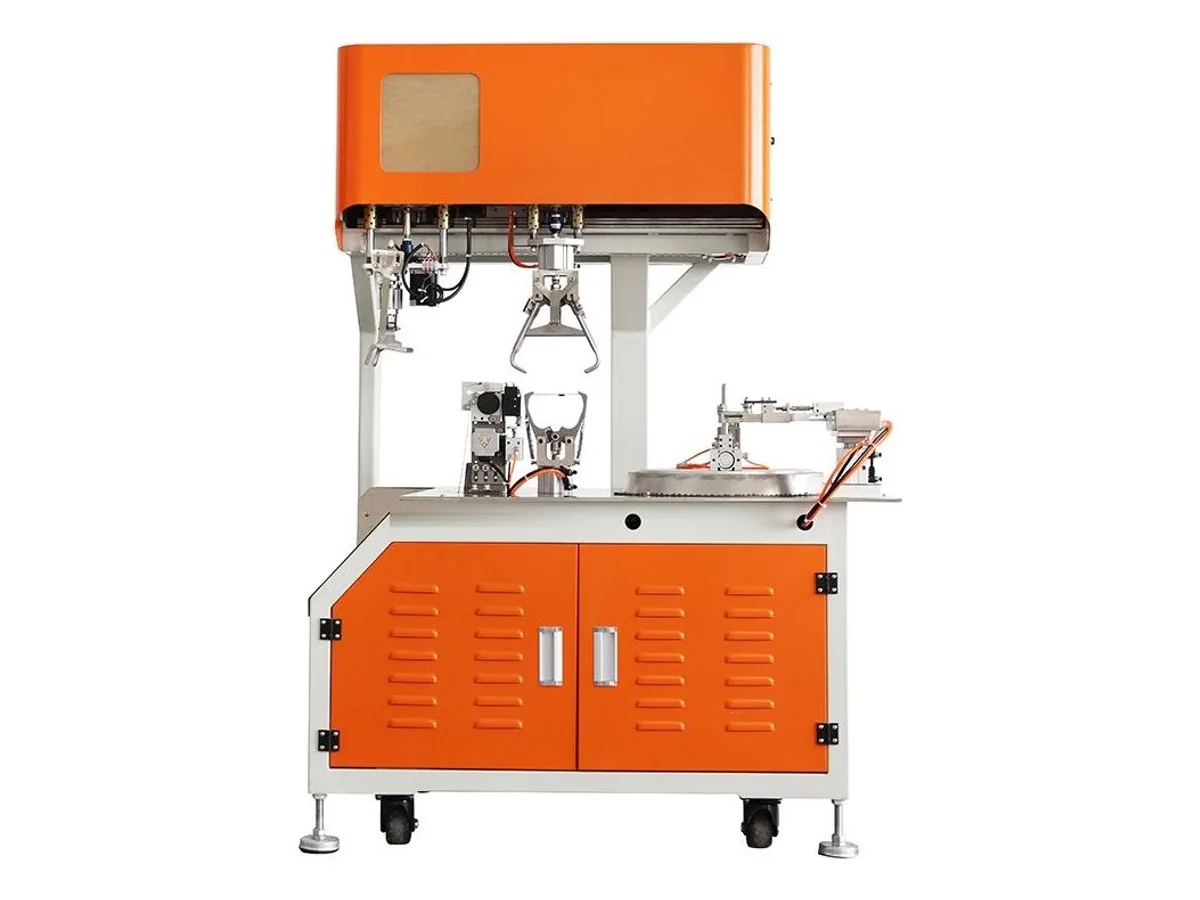
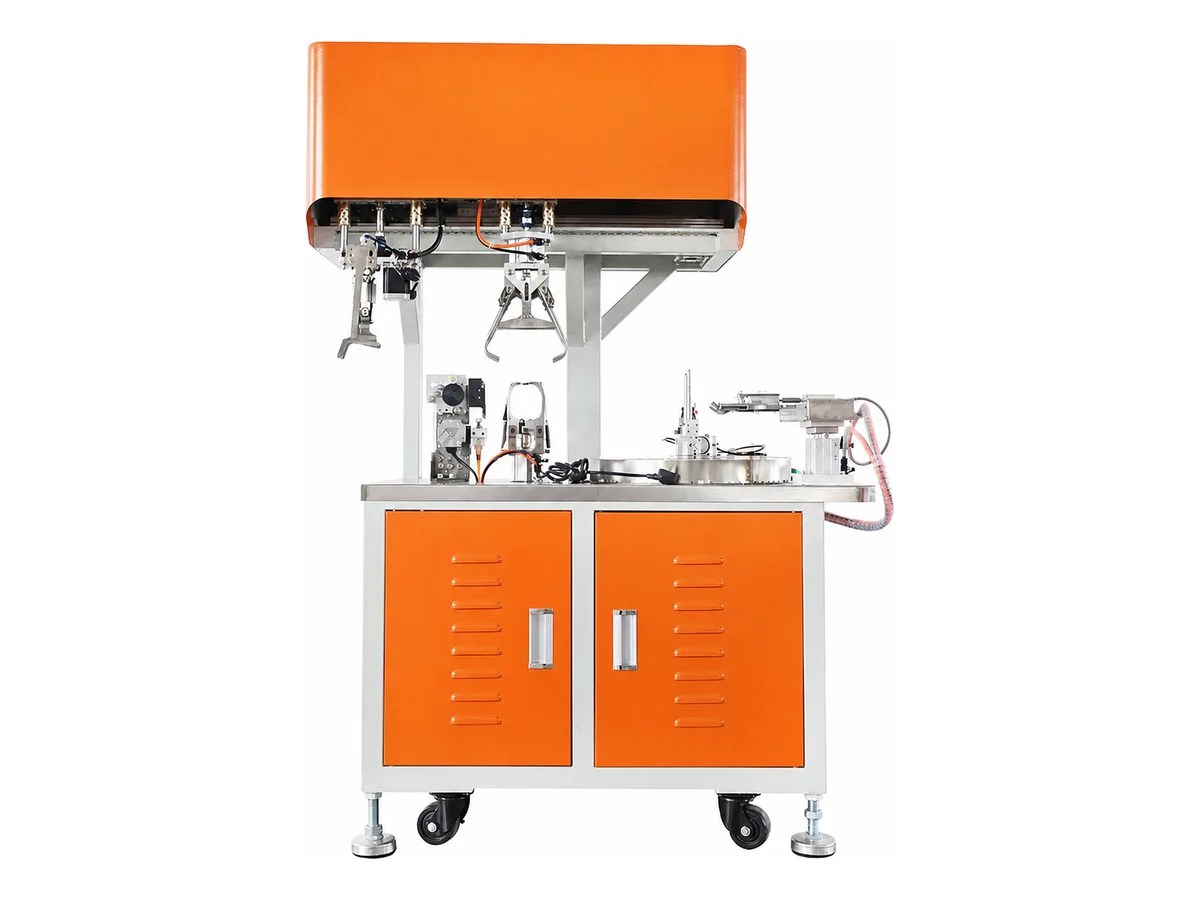
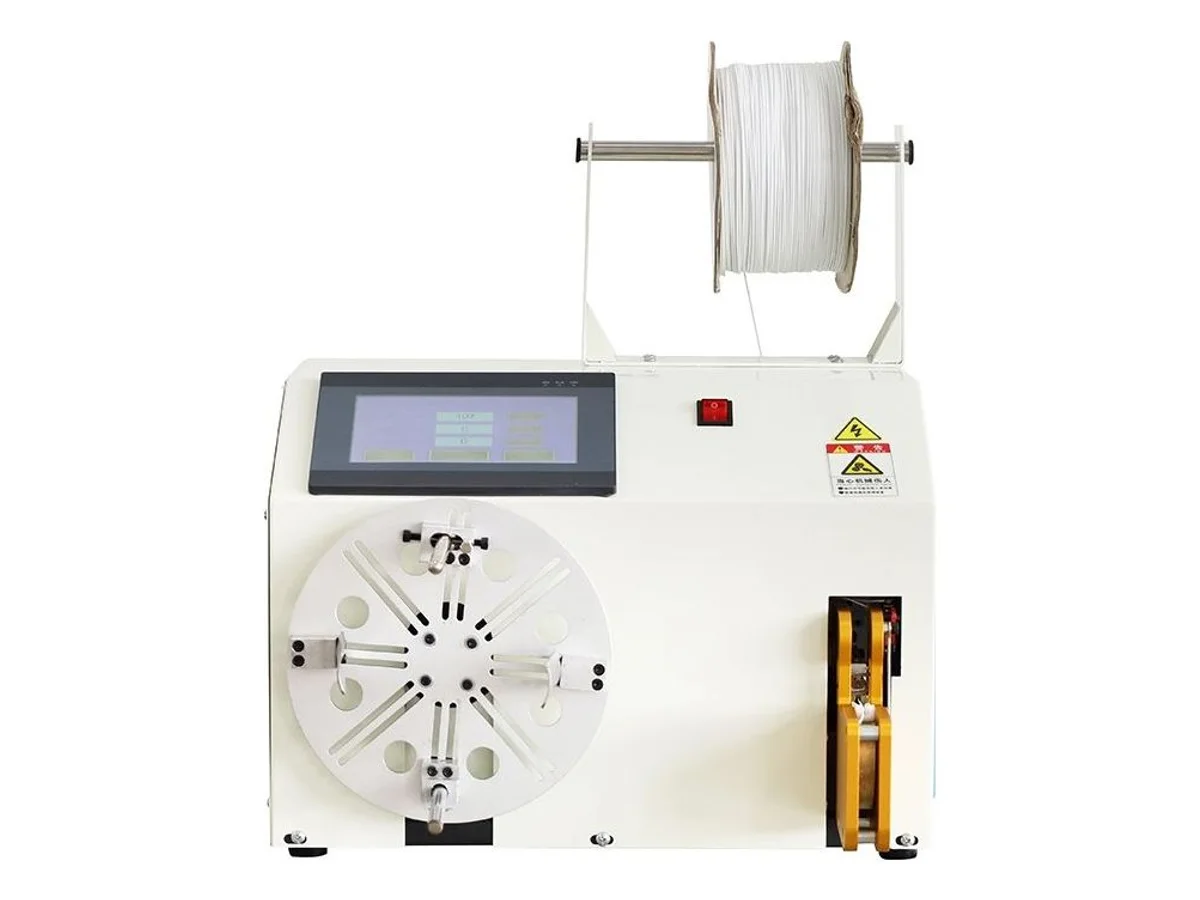
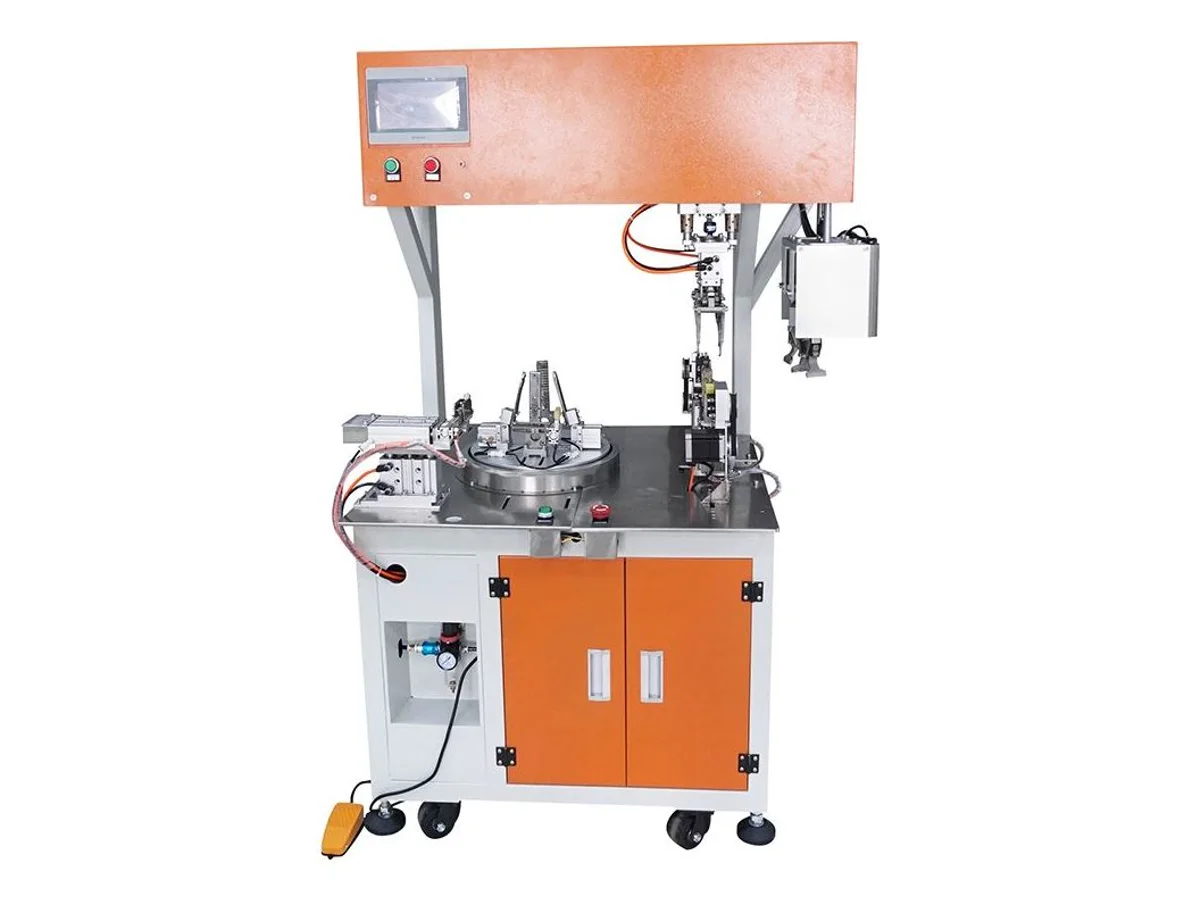
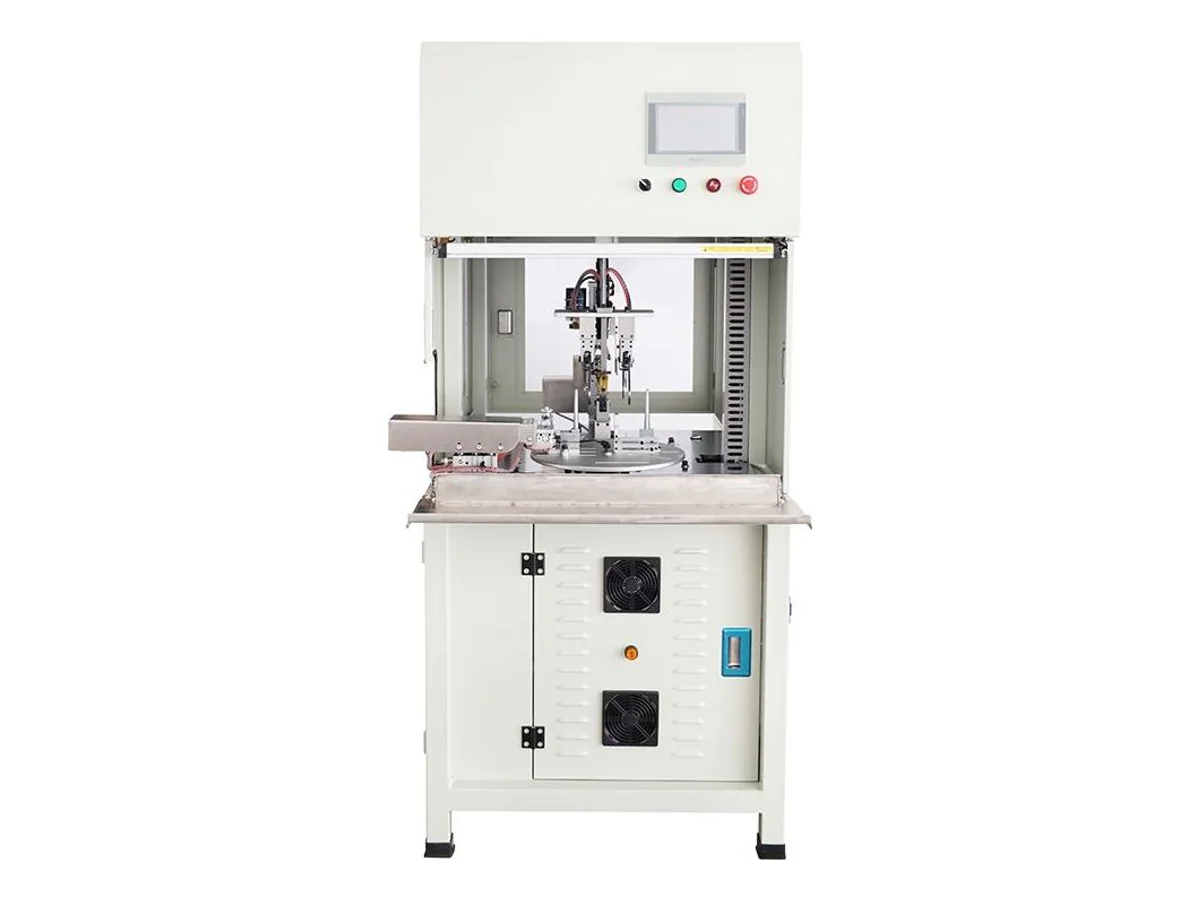
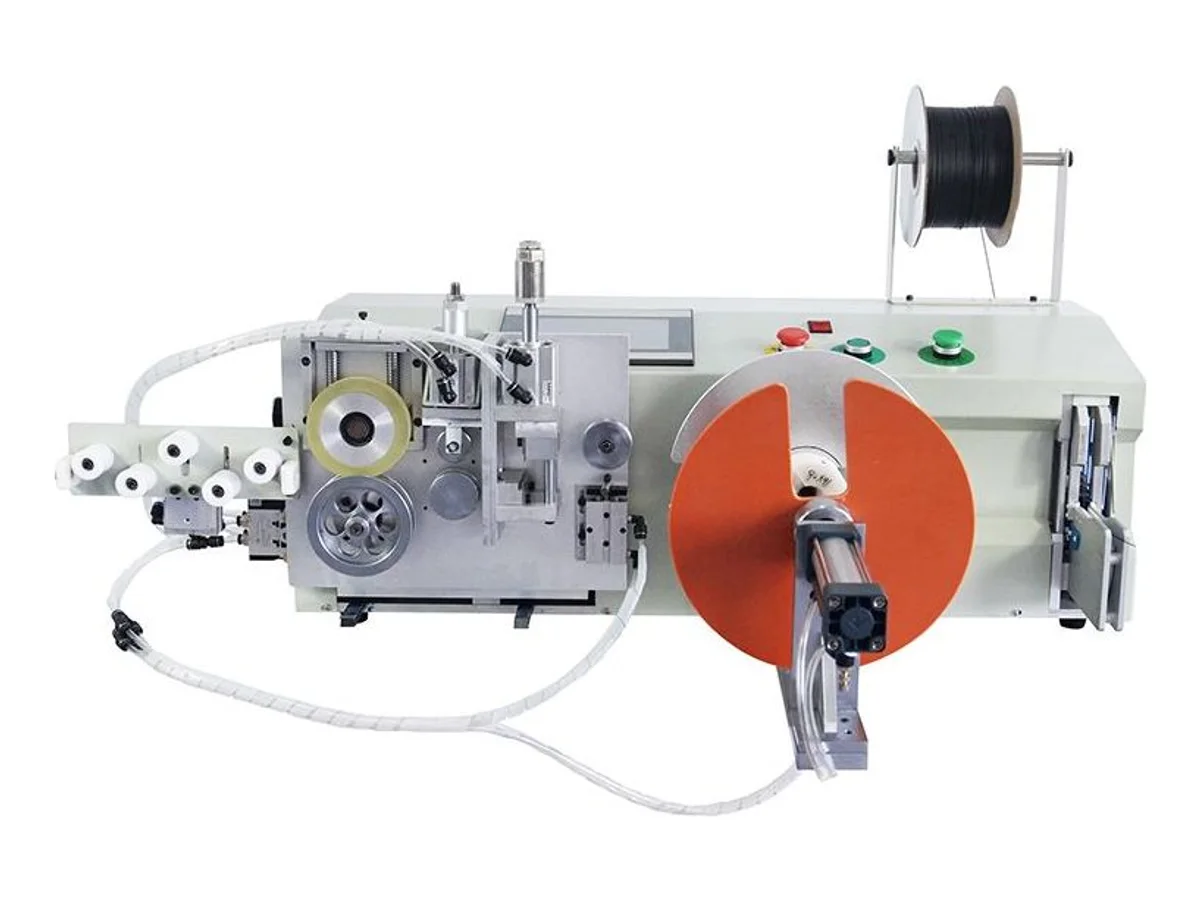
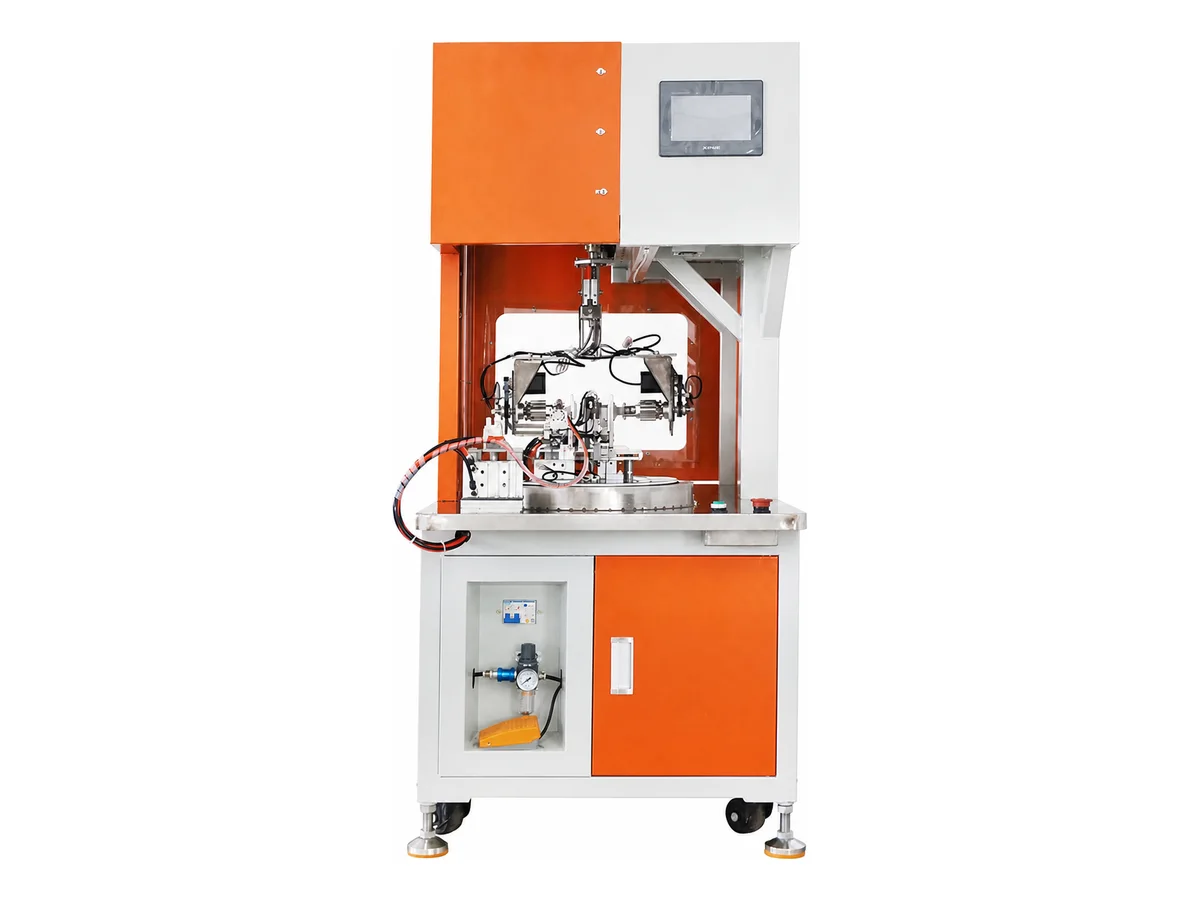
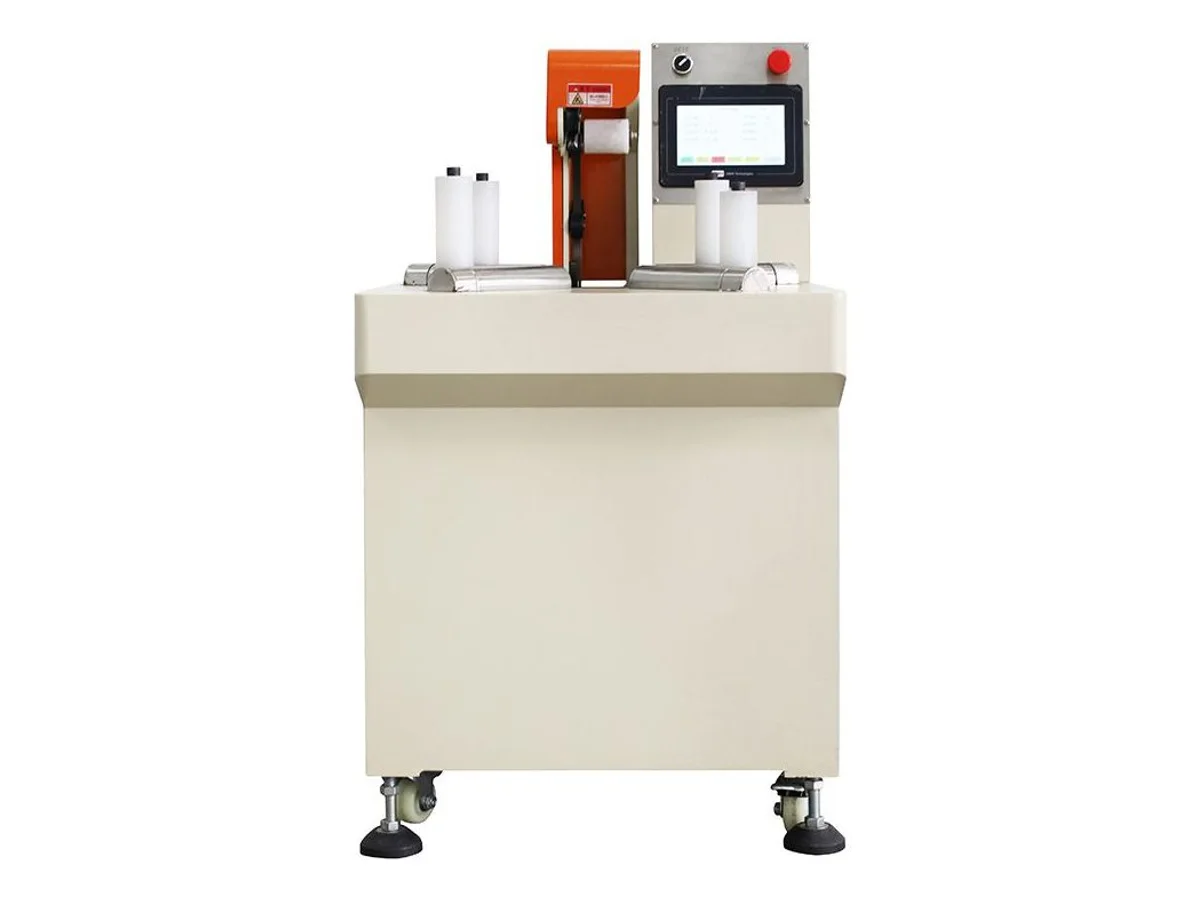
Wire winding, coiling and binding machines prepare different finished products: measured cable coils for packing, figure-8 power cords, spiral cords, and electromagnetic coils. Packaging coilers and tying stations collect finished cable; spiral-cord winders form cable around tooling; magnet-wire winders build turns on bobbins or magnetic cores. Use the process groups below to choose the correct family before comparing working dimensions. For supply reels at the front of a cutting line, use Wire Feeding & Pay-Off. We run your cable and target coil dimensions on video before you order.

Operation
Wire size
Machine format
Features
Showing all 28 machines

Combined-process machines

These machines include this operation as part of a wider process. Open the product page to check the complete working range and configuration.

Start with the coil you need to deliver

For cable coiling, specify the cable diameter, length per piece, finished coil dimensions and whether you need a round or figure-8 coil. If you start with a reel and need cutting as well, compare the WM-4808 cut-coil-tie machine. For counted coils, compare the WM-4810 coiling machine with meter counter. If the coil is already made, go directly to tying or stretch-film wrapping. Share a coil drawing or sample so we can check material handling before recommending the configuration.

Coiling, tying, or the whole chain?

Start with the incoming material. WM-4808 measures and cuts reel-fed cable before figure-8 coiling and tying. WM-4820 winds and ties finished AC power cords; it does not cut them. For pre-cut wire or tube needing a round coil and two ties, compare WM-4800. If reel-fed material must be cut before round coiling and double tying, compare WM-4825. When coils are already formed, select a separate tying or packing station from the table. Confirm connector clearance, free ends and loading during the trial.

Figure-8 or round?

Choose the finished package shape and the customer's payout method together. WM-4811 supports round and figure-8 winding; WM-4815 and WM-4822 are figure-8 options. WM-4800 forms round coils with two coated-wire ties. Check cable bend radius, connector clearance, coil stability after removal and unwinding with the actual material. Neither shape guarantees damage-free or kink-free handling on every cable.

Spiral cords and electromagnetic coils are different products

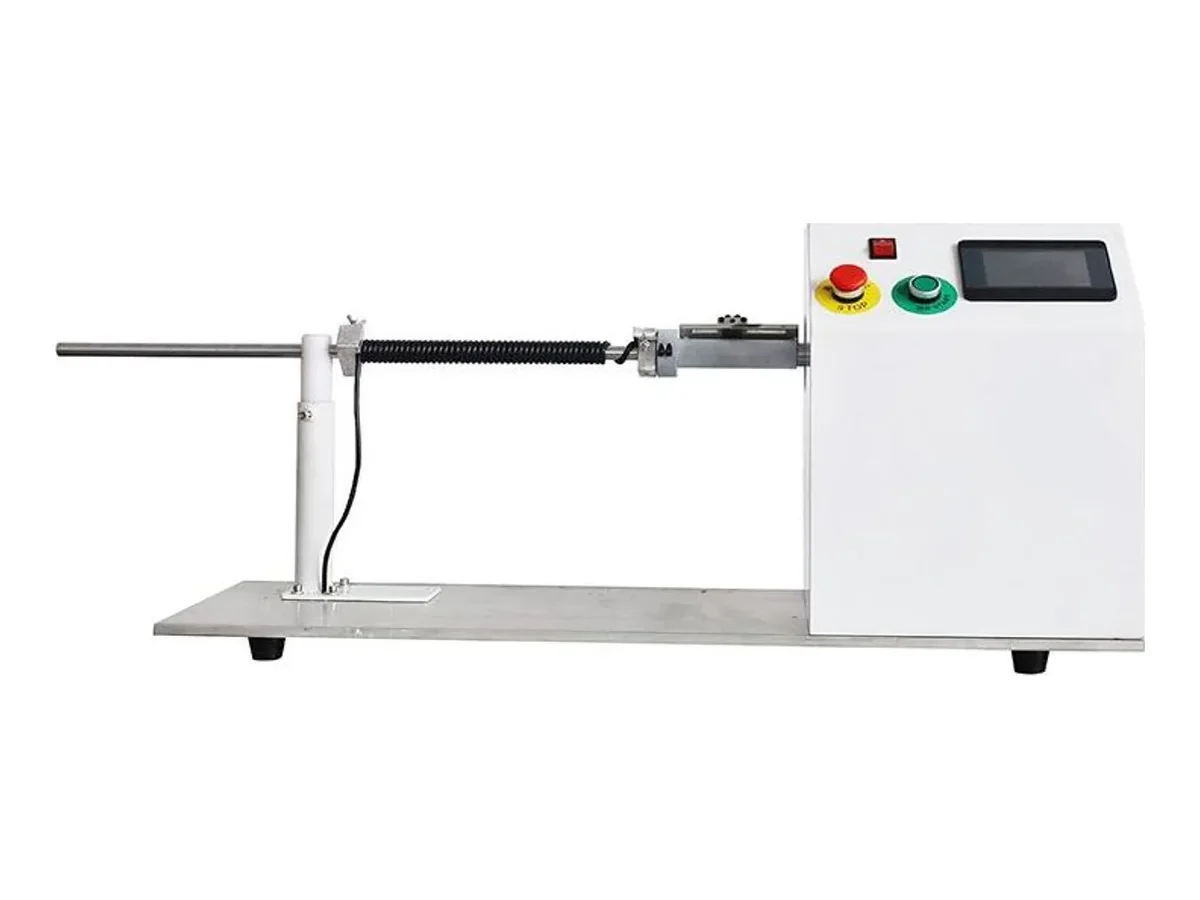
Spiral-cord winding forms cable around tooling. Confirm the heat-setting, cooling and post-forming process separately; a winding machine alone does not establish a complete curly-cord production line. Magnet-wire winding lays turns on bobbins or toroidal cores. These are separate groups from cable packaging. For supply-side reel handling, use wire feeding and pay-off equipment.

Compare the working cycle with your finished package

Watch coiling and tying process demonstrations to compare loading, winding, tie closure and removal. These process examples help define the required cycle; confirm the selected model and setup against its own product page and your sample trial. The cable coiling selection guide covers coil dimensions and incoming material. For spring-back, crossed turns or loose ties, use the coiling defect checklist.

Selected machines and specifications. Open the product page for the complete configuration; missing figures are confirmed on the quote.
MachineJobCable / coil sizeOutputPick it for
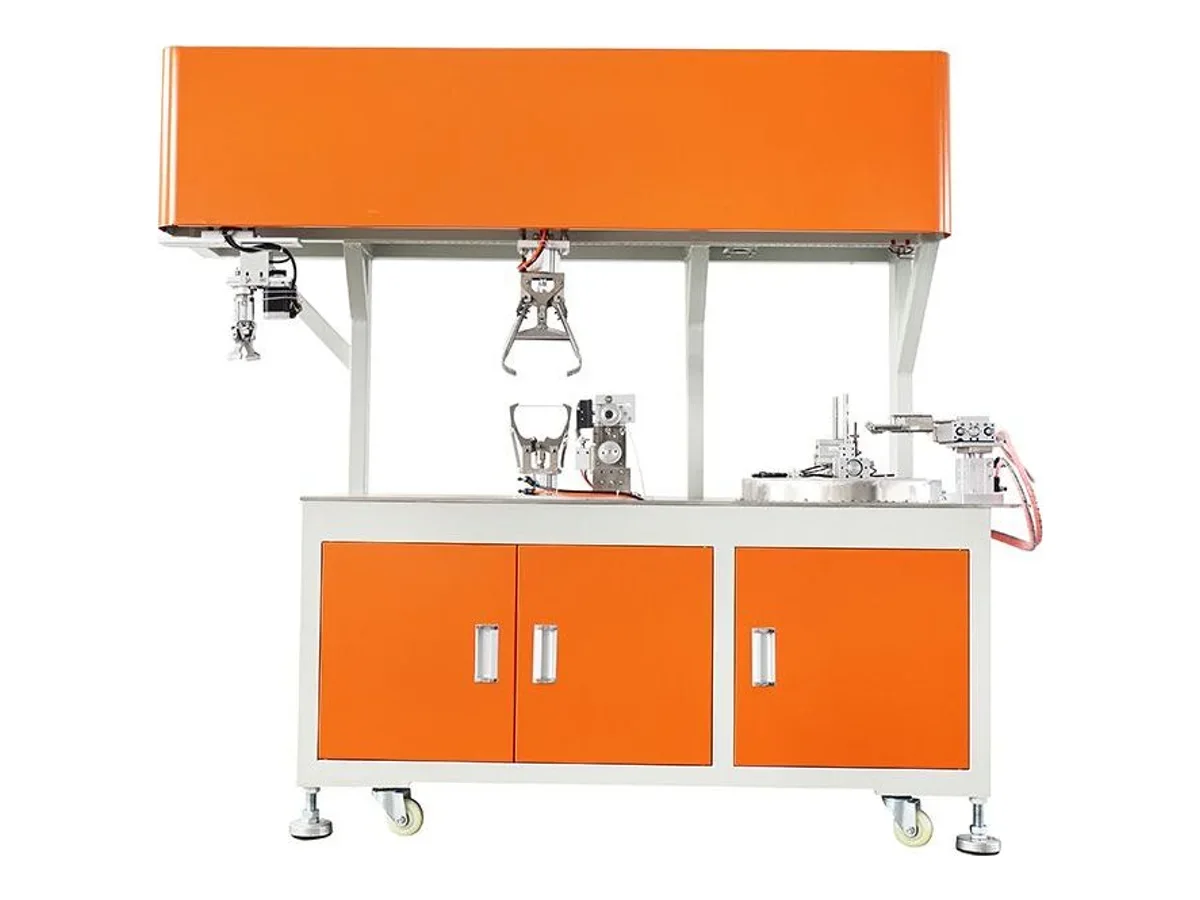
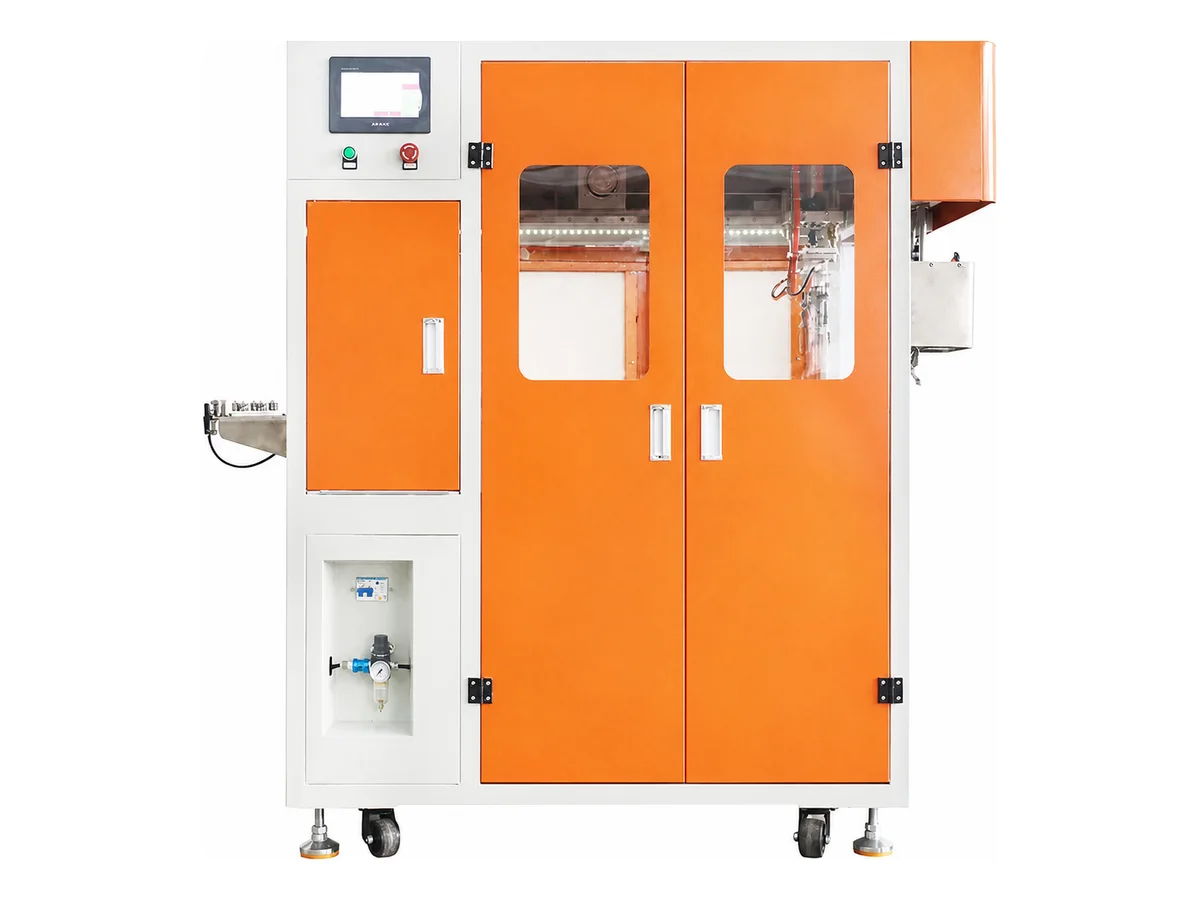
WM-4808Cut + figure-8 coil + tieØ3–12 mm, lengths 3–10 mFrom drum to tied coil in one machine
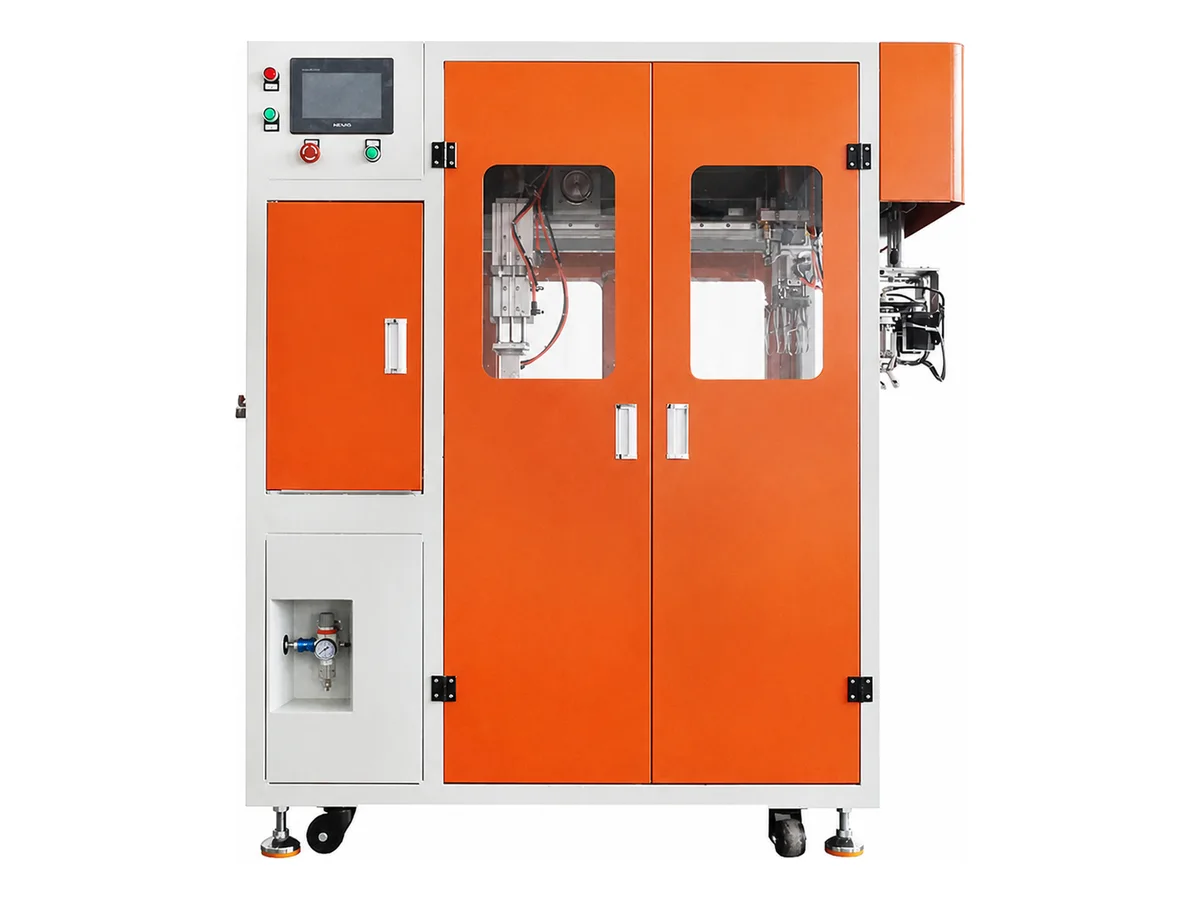
WM-4820Wind + tie AC power cordsCords ≤4,000 mm; wind 120–220 mm1,100–1,400 pcs/hFinished cord sets after plug molding
WM-4813Meter-count coil + tieBundle 18–65 mm; coil ID 50–280 mmCoils ≤2.5 kgCounted lengths, tied automatically
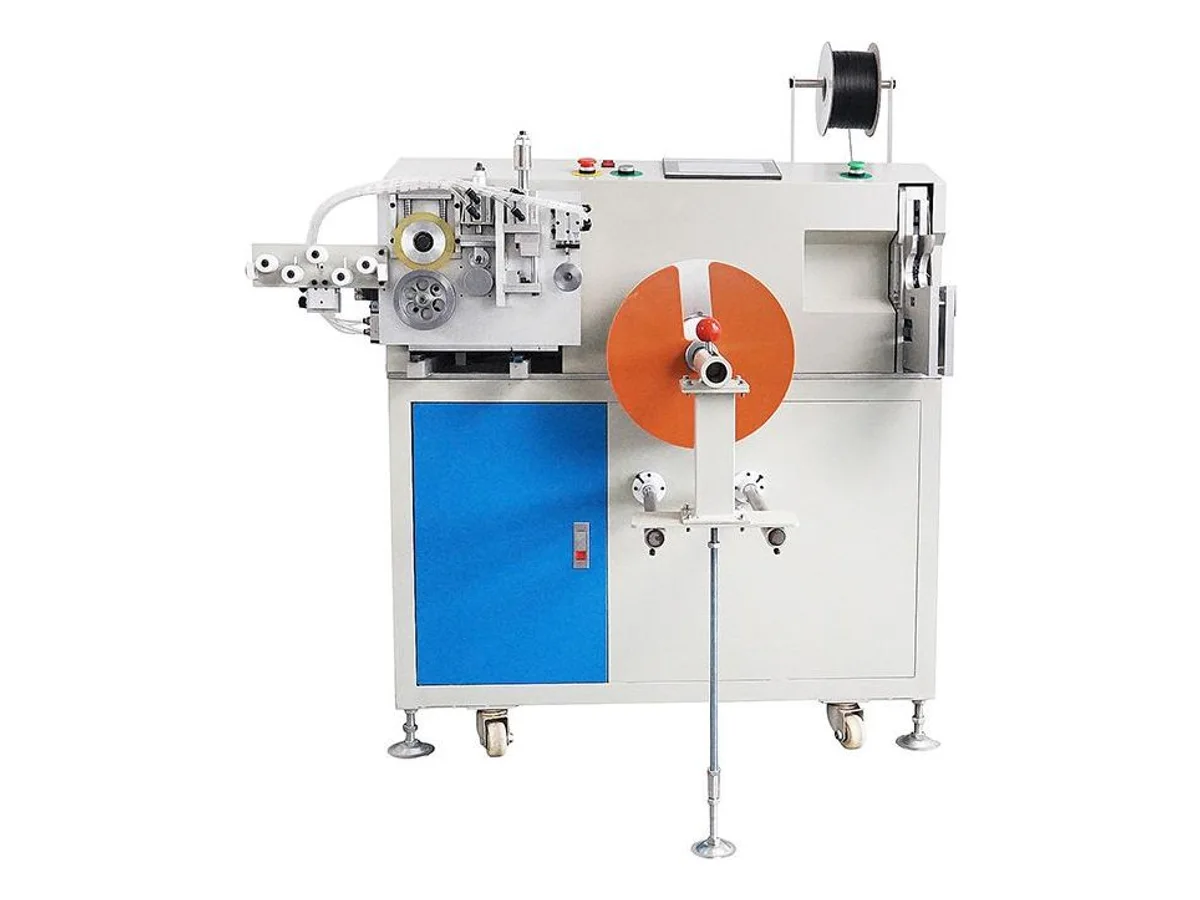
WM-4811Figure-8 and round wind + tie≤Ø10 mm; circle <48 mm800–1,200 pcs/hSwitching between both coil shapes
WM-4815Figure-8 wind + tie, compact≤Ø6.2 mm, ≤6 m; wind 65–240 mmSmall cords, tight figure-8
WM-4822Figure-8 wind + twist tie≤Ø10 mm; wind 110–300 mmØ10 cable wound tighter than the WM-4811 goes
WM-4800Round coil + double tie≤Ø10 mm; ties 70–180 mm apartCoils that must not spring open
WM-4810Coiling with meter counterØ0.5–16 mm; ID 30–350 mm5–600 turns/minCounted coils across the widest wire range
WM-4817Level-wind coiling≤Ø13 mm; coil ≤Ø260 mm≤999 rpmNeat traverse-wound coils
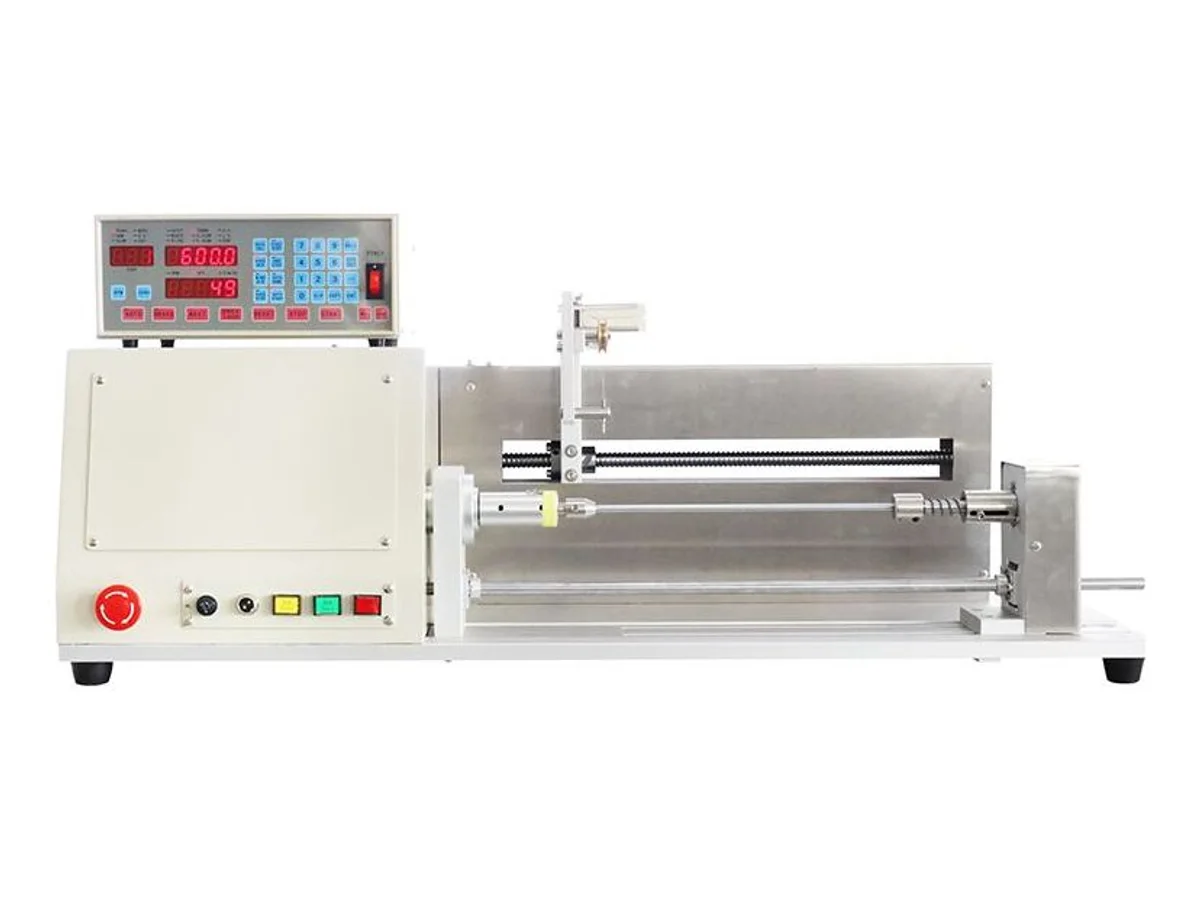
WM-4816Spiral cord windingØ1–8 mm3,000–5,000 pcs/day at 3 mCurly cords and spring wire
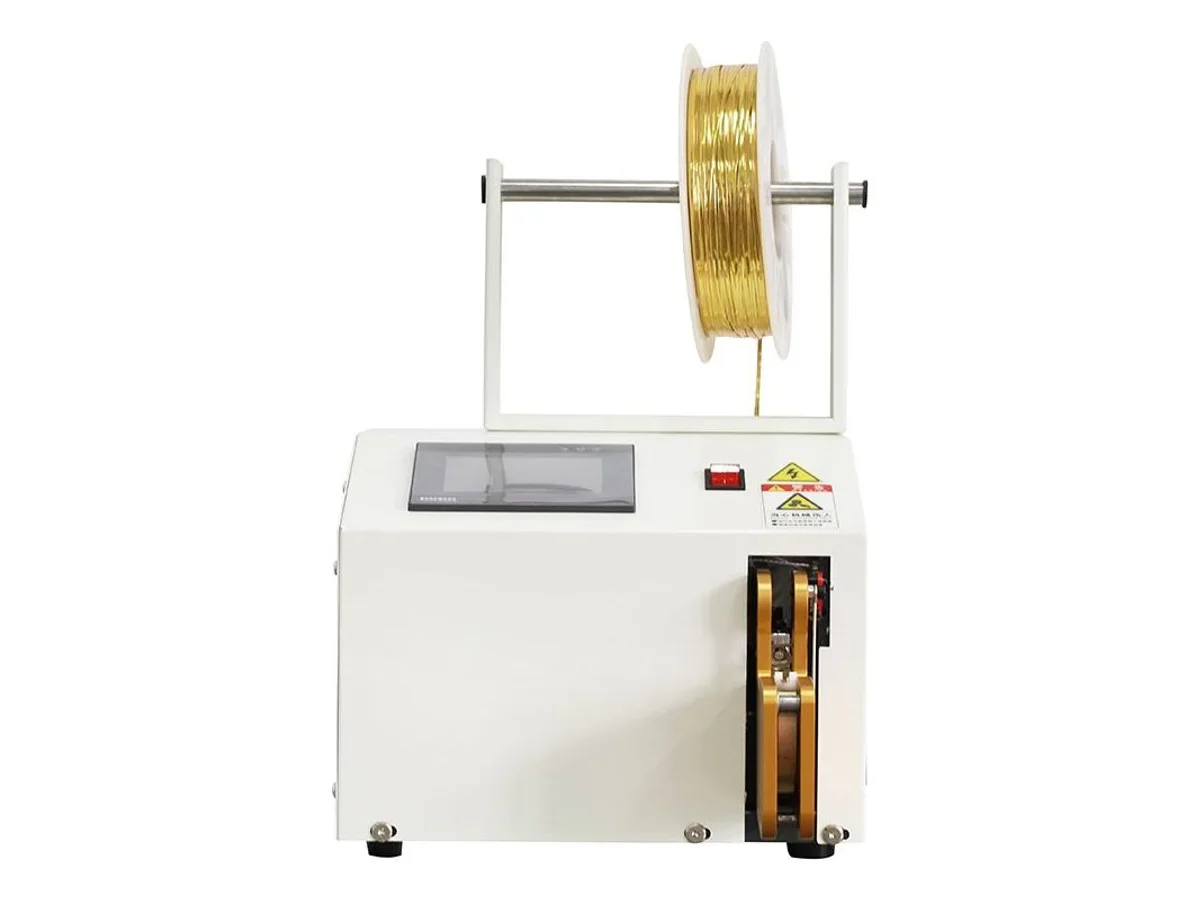
WM-4807Twist tie, semi-automaticBundles Ø5–35 mm0.6 s per tieOperator-presented coils, fast ties
WM-4804Twist tie bindingØ5–35 mm; 2–6 circlesBench binding with encased-core ties
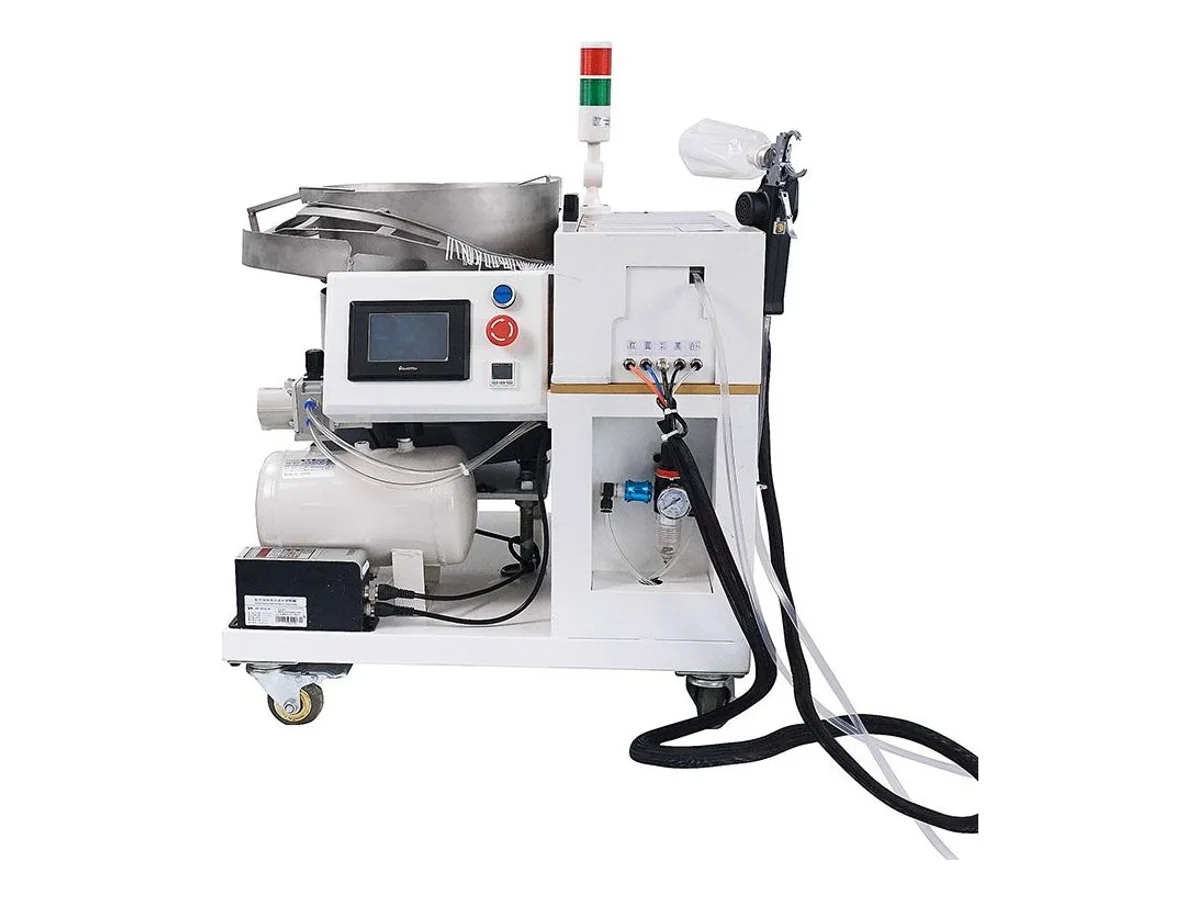
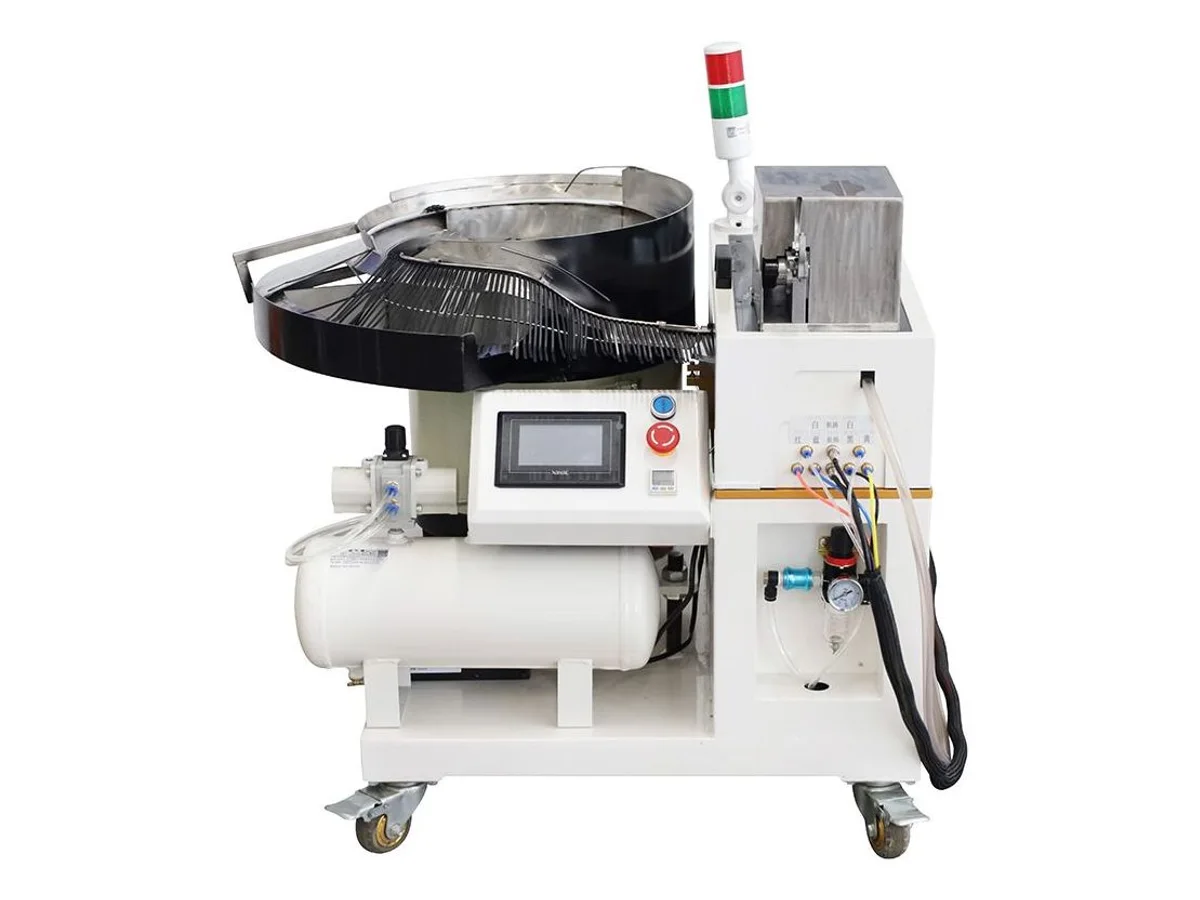
WM-4809Nylon tie, handheld gunBulk-loaded loose ties1,500–1,800 pcs/hNylon ties anywhere on the floor
WM-4812Nylon tie for stator coilsTies 2.5 × 100 mmMotor stator work
WM-4814Nylon tie for conduitConduit ≤Ø11 mm; ties 60–120 mmHarness and conduit tying
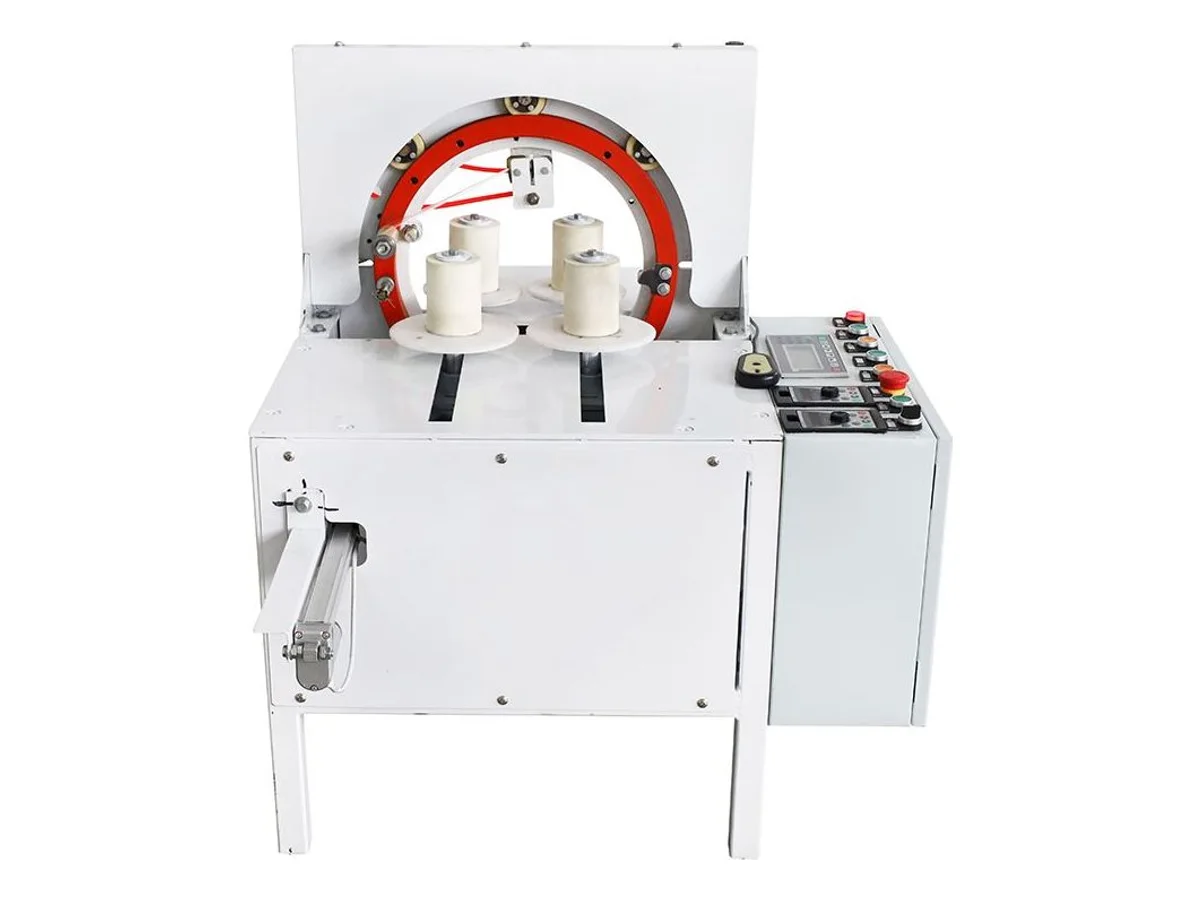
WM-4818Stretch-film coil wrappingCoil OD ≤400 mm, ID ≥120 mm≈120 coils/hPacking standard coils
WM-4821Stretch-film, large coilsOD 420–550 mm; film ≤100 mmPacking the big coils

Frequently asked questions

How do I choose a cable coiling machine?

Start with the finished coil: cable diameter, length per piece, round or figure-8 shape, coil dimensions and tie type. Then decide whether the incoming cable is already cut or must be measured and cut from a reel. Compare coiling, tying and packing equipment by those operations; for feeding cable into another machine, use wire feeding and pay-off equipment. We confirm the configuration with your cable sample.

How do I choose a prefeeder or pay-off stand?

By the reel, not the wire: its weight, its diameter, and whether it is a flanged spool, a flat coil or a drum. Bench reels to 20 kg run on the WM-9332 and WM-9120T; 50 kg reels on the WM-9150; flat vertical coils on the WM-9309; 250 kg spools roll up the WM-9334's ramp; and 1.5-ton drums mount on the WM-9151's cone clamps. Tell us reel dimensions and weight, and the machine downstream, and we match the feeder. Use the dedicated Wire Feeding & Pay-Off category to compare supply-side equipment.

Why are power cords coiled in a figure-8?

Round and figure-8 coils have different package shapes and payout behavior. Specify the carton space, minimum bend radius and how the customer will unwind the cable. Test the actual cord with its connectors; coil shape alone does not guarantee kink-free payout. Compare WM-4811 for both shapes, or WM-4815 and WM-4822 for figure-8 winding.

Can one machine measure, cut, coil and tie?

The WM-4808 does exactly that: pulls cable off the drum, measures 3–10 m, cuts, winds a figure-8 and ties it — for Ø3–12 mm cable. For finished cords that are already cut (after plug molding), the WM-4820 winds and ties at 1,100–1,400 pcs/h.

Twist ties or nylon cable ties?

Specify the tie material as well as the number of ties. WM-4804 and WM-4807 use coated-core twist ties; WM-4800 applies two rubber-coated iron-wire ties to a round coil. Two ties do not imply nylon ties. For nylon cable ties, compare WM-4809 or WM-4814 against the bundle and tie dimensions.

What happens after the coil is tied?

If the coil ships loose in a carton, nothing. If it needs to arrive clean and stay wound, stretch-film wrapping is the standard step: the WM-4818 wraps coils up to Ø400 mm at roughly 120 coils per hour, and the WM-4821 handles Ø420–550 mm. Both wrap through the coil eye, so the film locks the turns.

What should an inquiry include?

Cable diameter and length per piece, the coil dimensions you want (inner diameter, outer diameter, bundle thickness), figure-8 or round, tie type and count, and target pieces per hour. Then courier a few finished lengths of your actual cable — coil behaviour depends on jacket stiffness, so we wind yours on video before you order.

Selection and troubleshooting guides

Engineering guidance for choosing this process and correcting the defects that affect finished-wire quality.

Other categories

👋 Need help choosing a machine? Ask me about specifications, processes and sample trials.
Email
Wiro — Equipment Assistant Equipment guidance · quotation team replies within 12 h