Selection guide
How to Choose a Wire Prefeeder and Pay-Off System
Choose a wire prefeeder or pay-off system by reel mass, line speed, acceleration, allowable tension, accumulation, dereeling control and downstream interface.
Read engineering guide →Keep wire entering the processing machine consistently as the supply reel unwinds. Our wire prefeeders and powered pay-off stands handle different reel weights, spool geometries and loose-coil supplies. The right choice depends on the loaded reel, cable stiffness, required feed speed and how the downstream machine starts and stops. A reel dereeler is not an outfeed coiler: supply handling sits before cutting or termination, while finished-coil equipment collects or packs the output. Send the reel dimensions and a description of the downstream machine; we check the feeding arrangement with your cable.
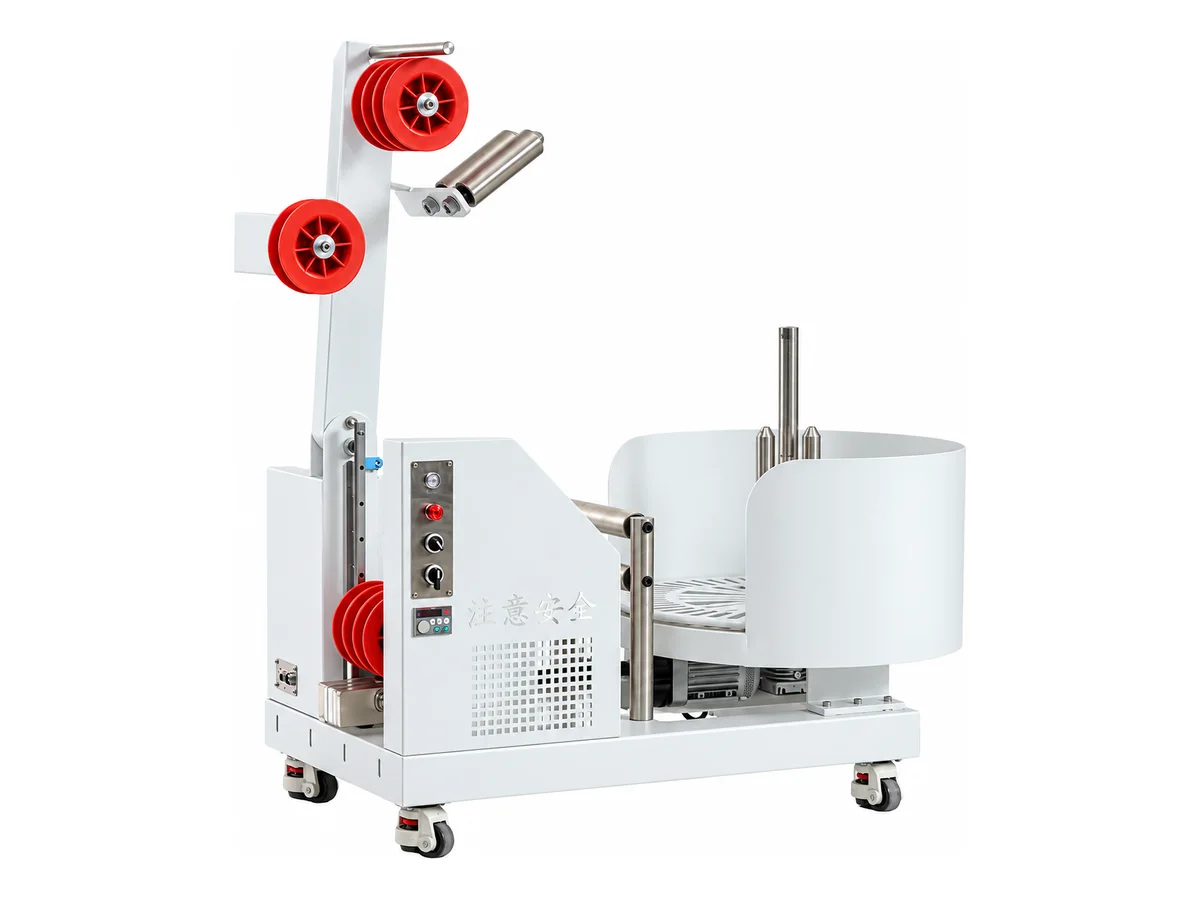
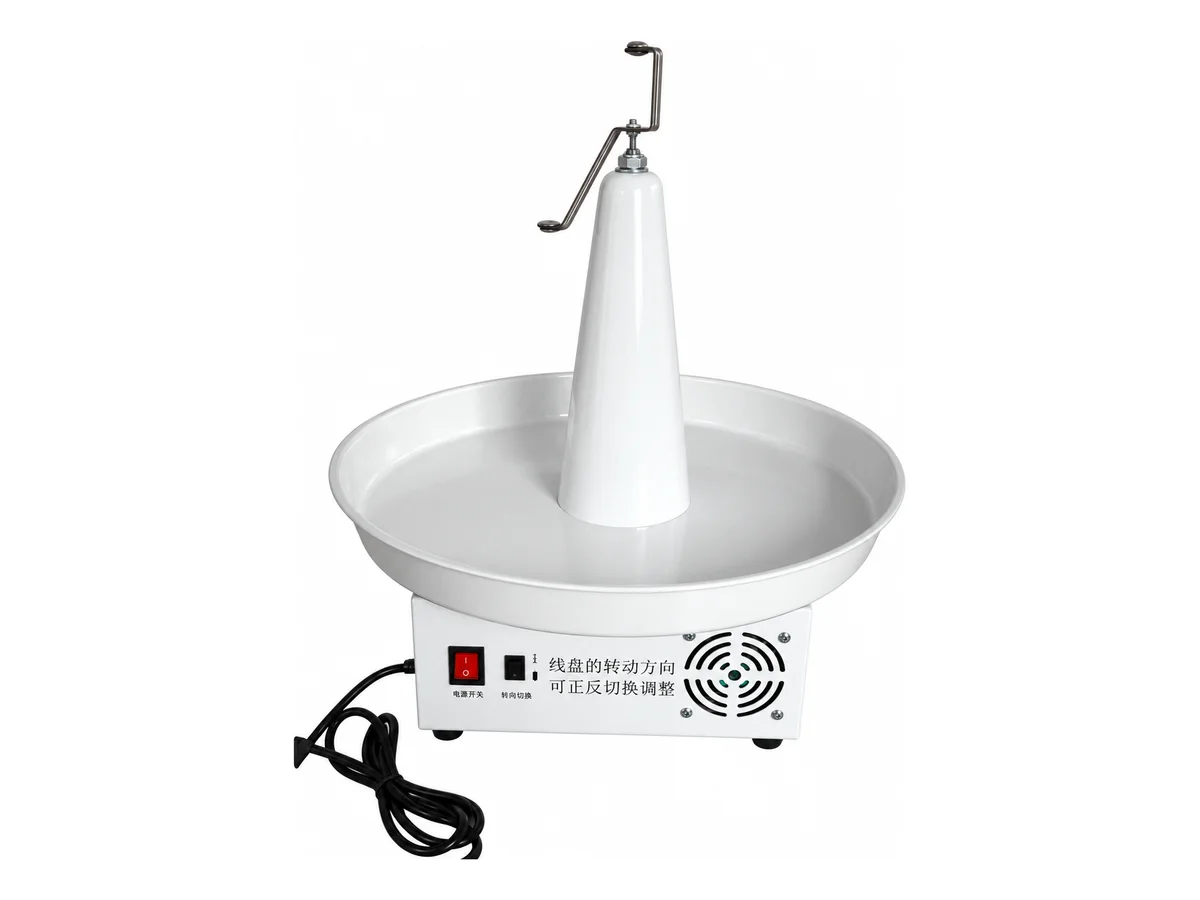
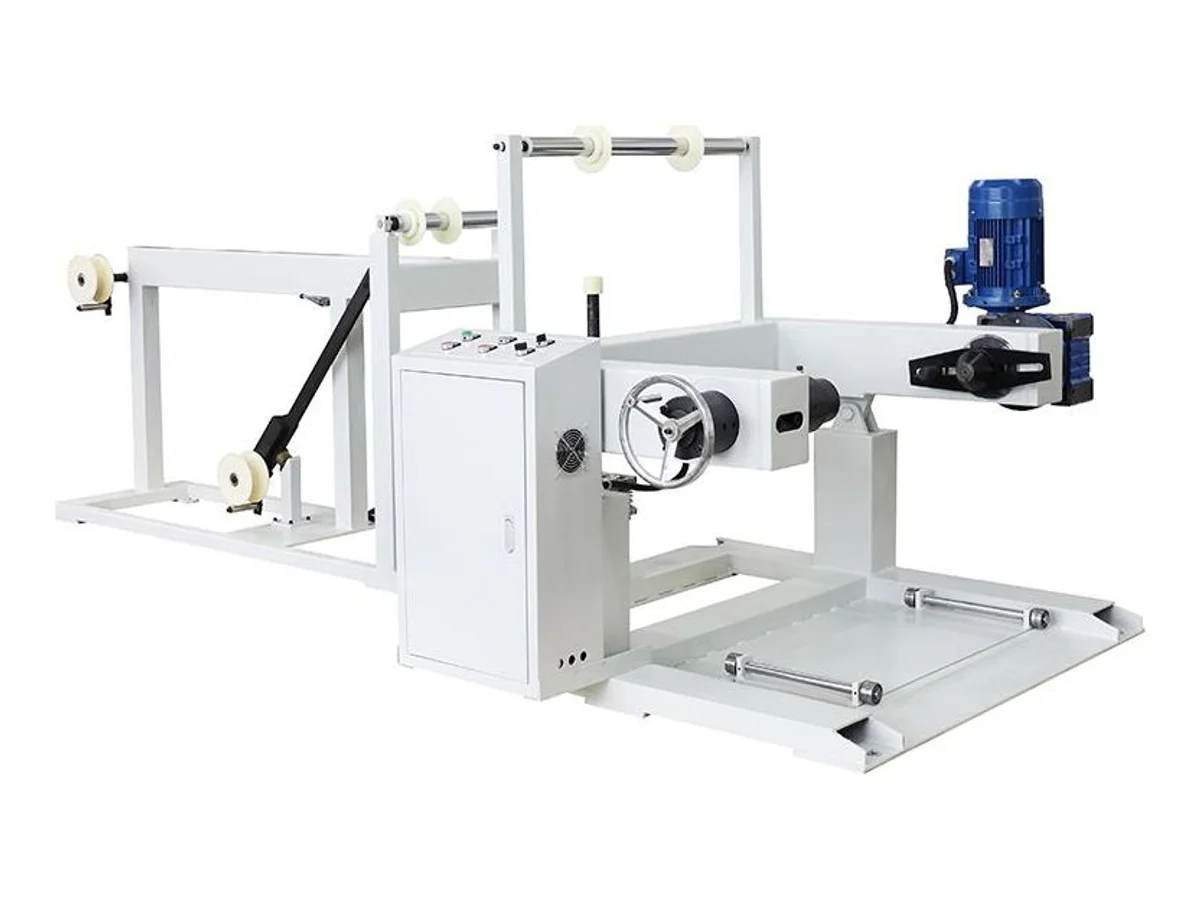
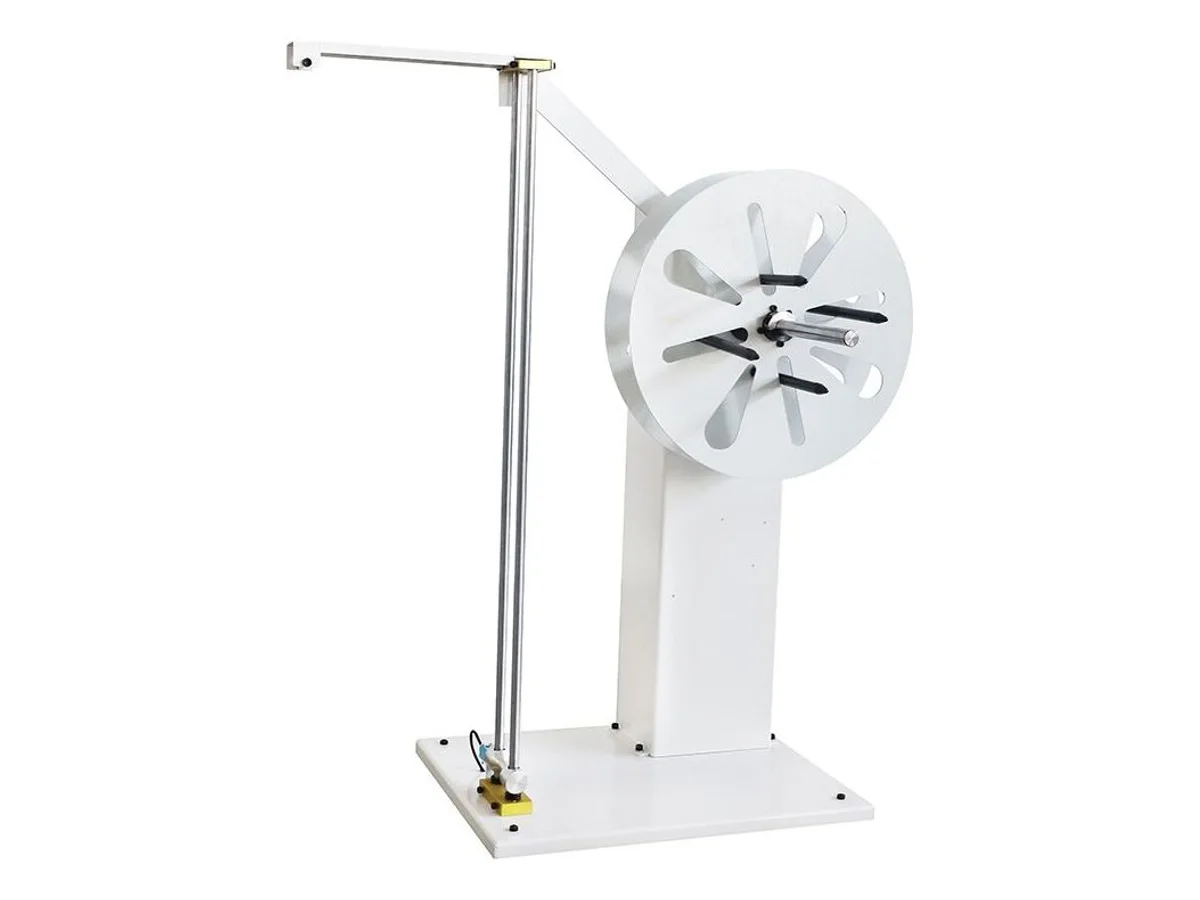
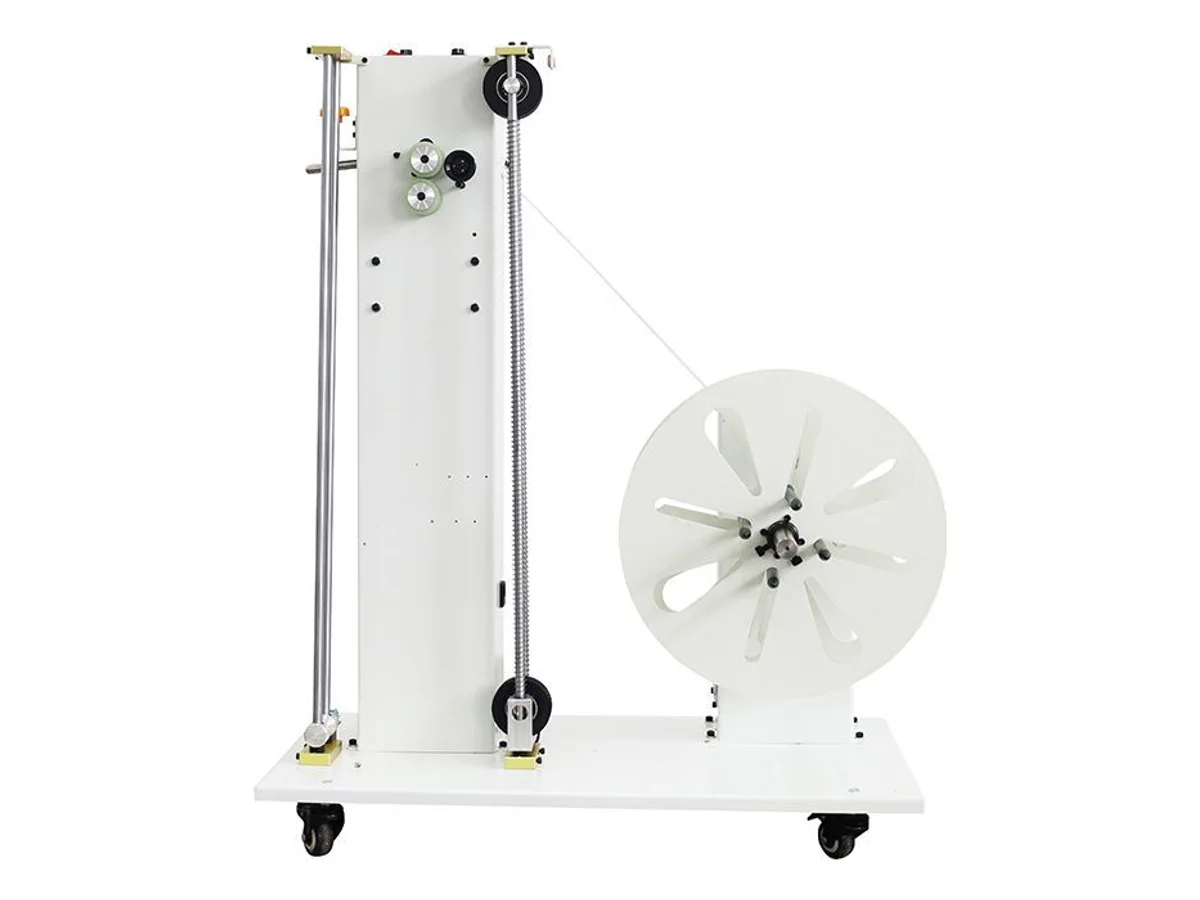
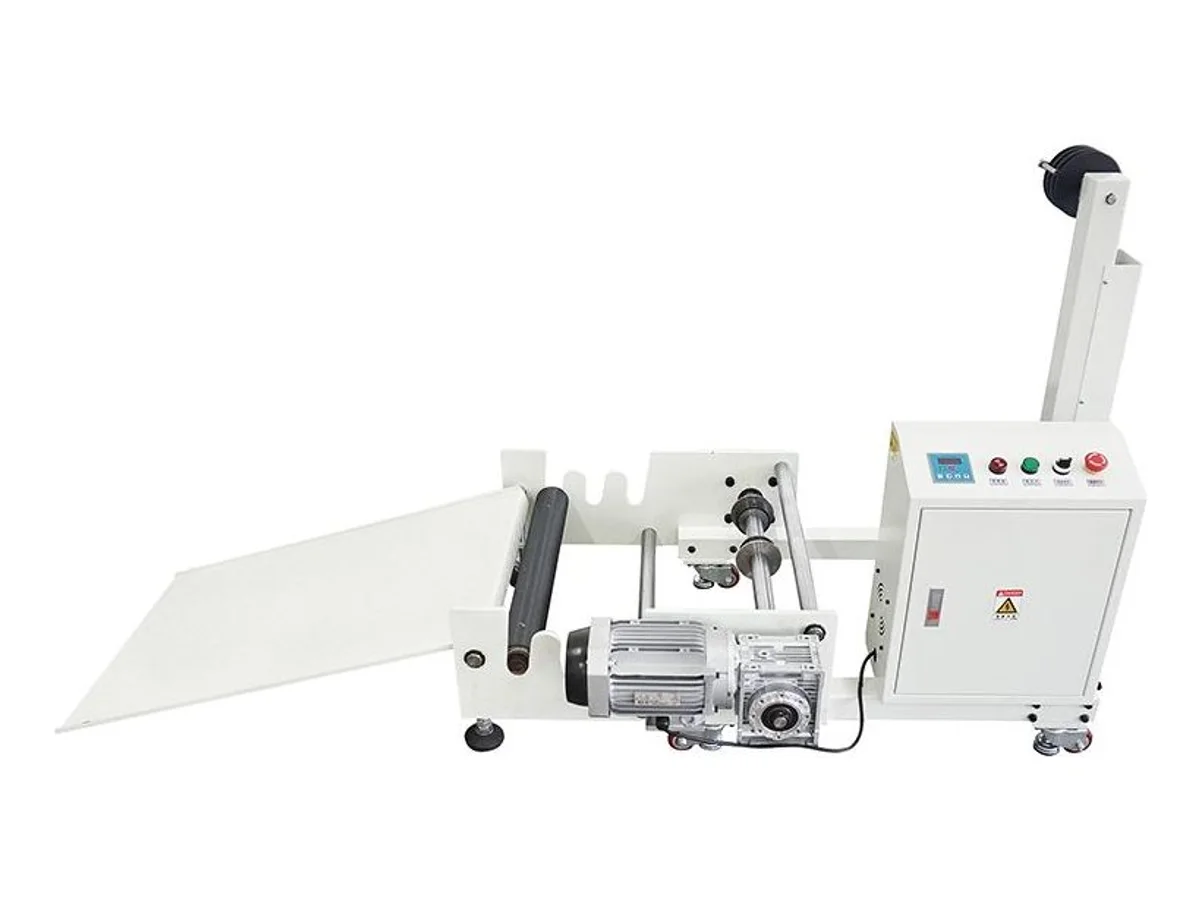
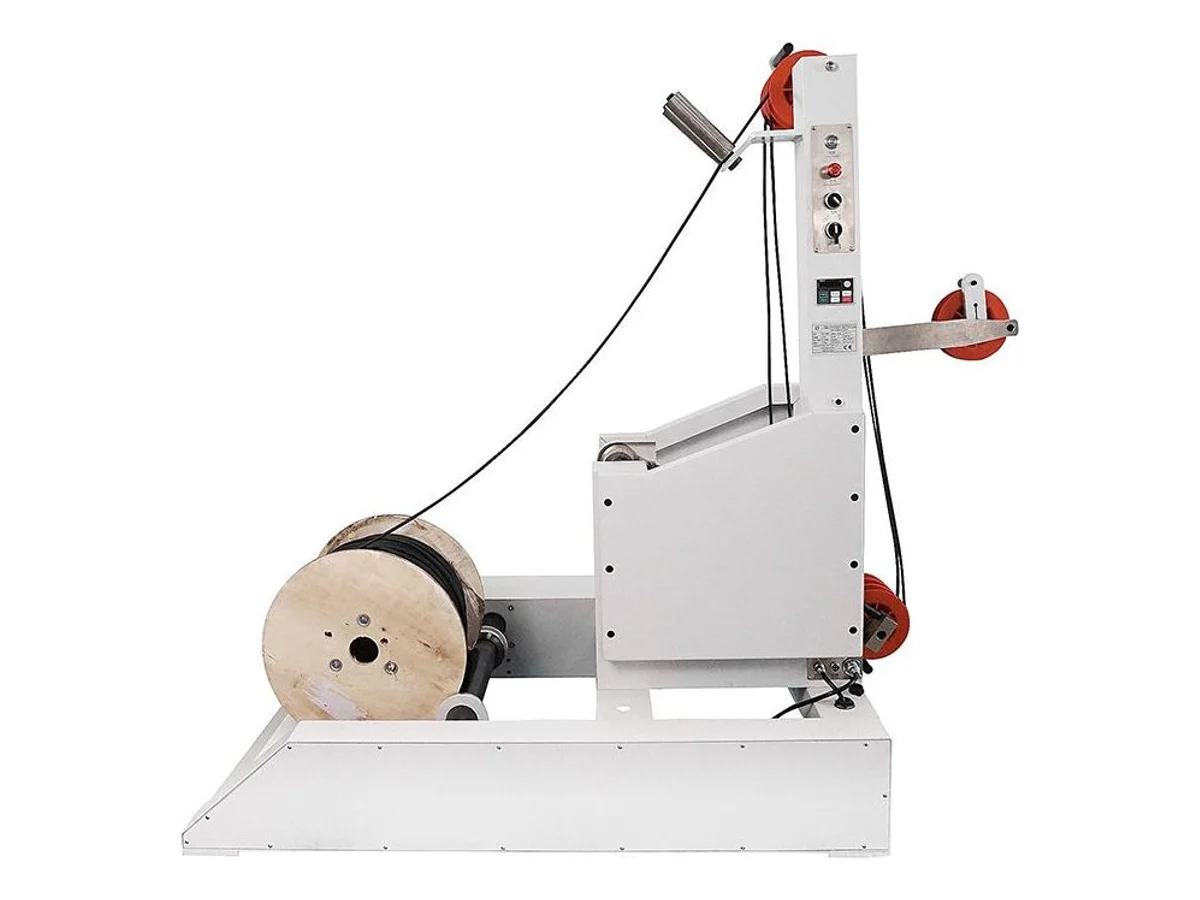
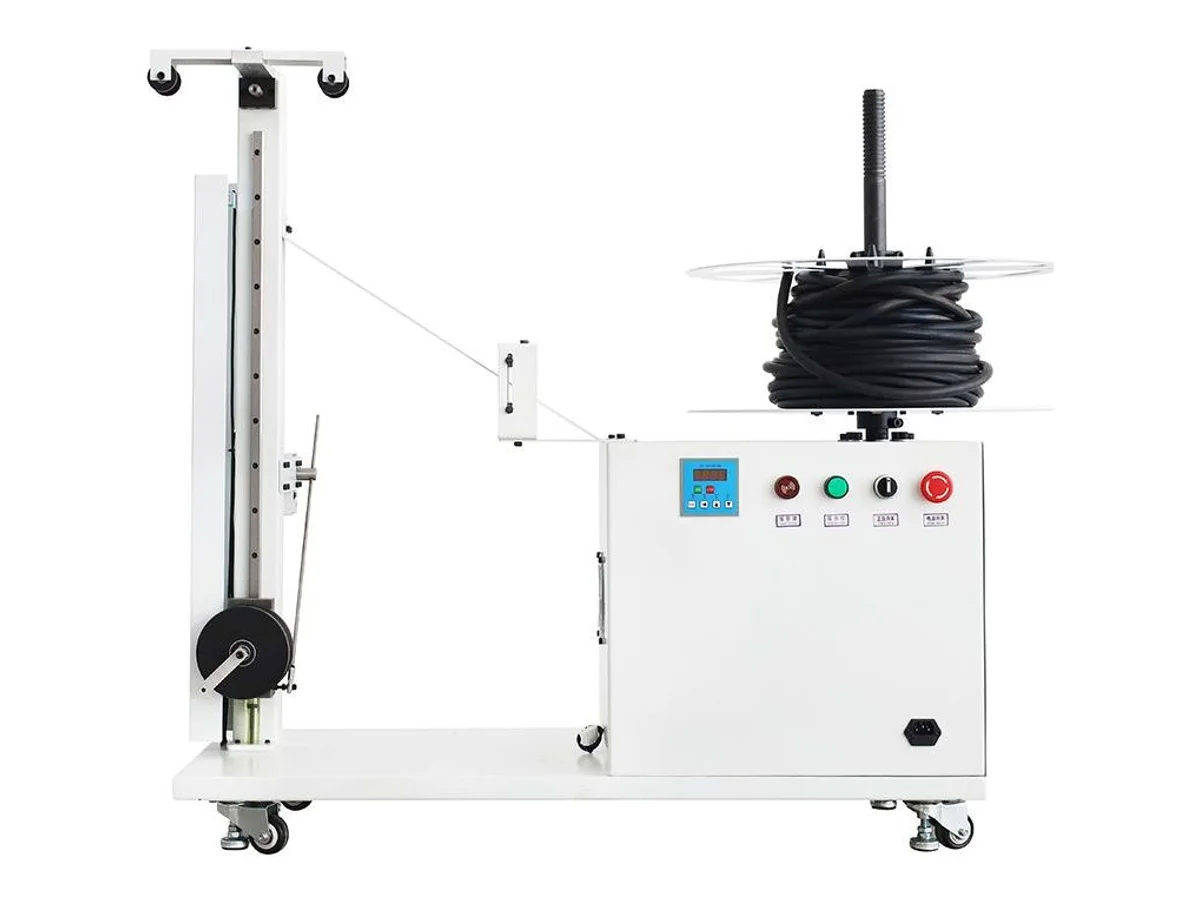
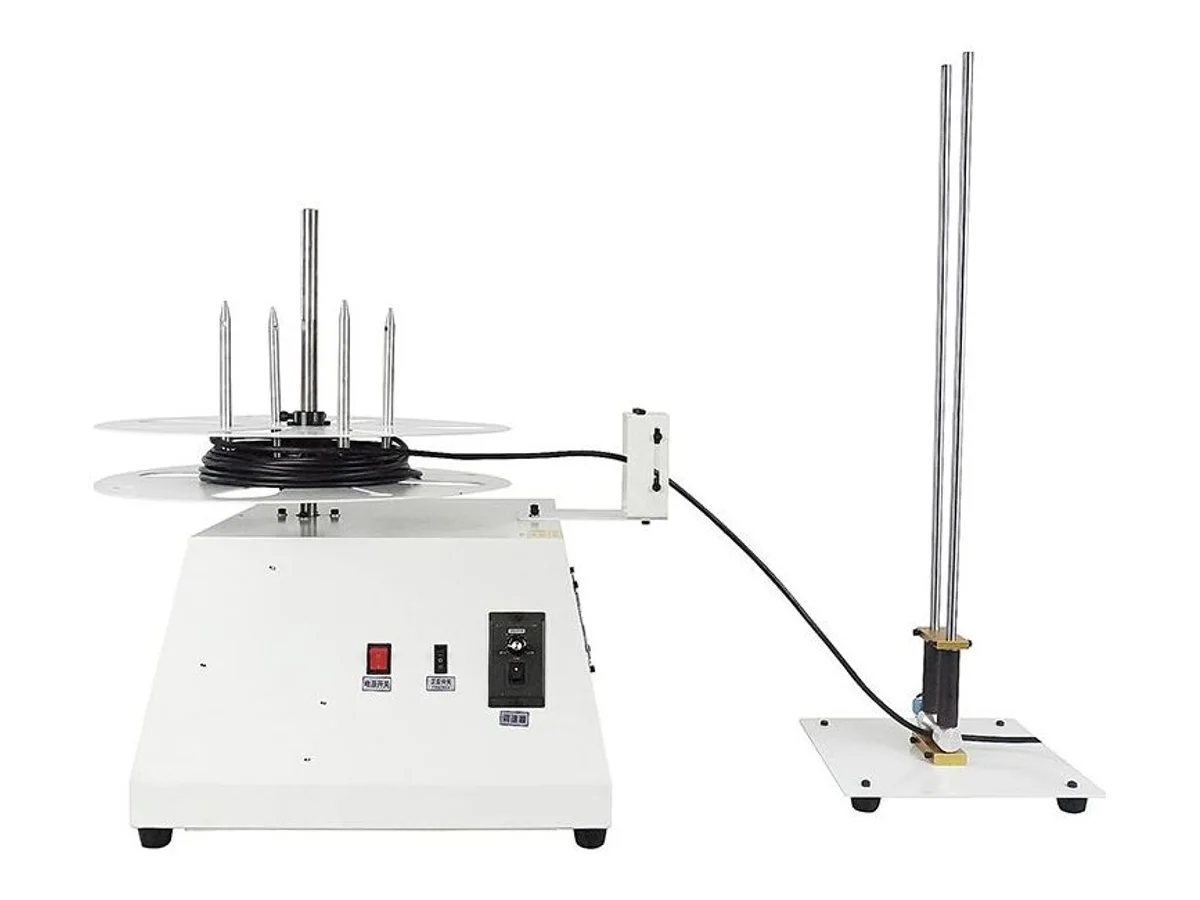
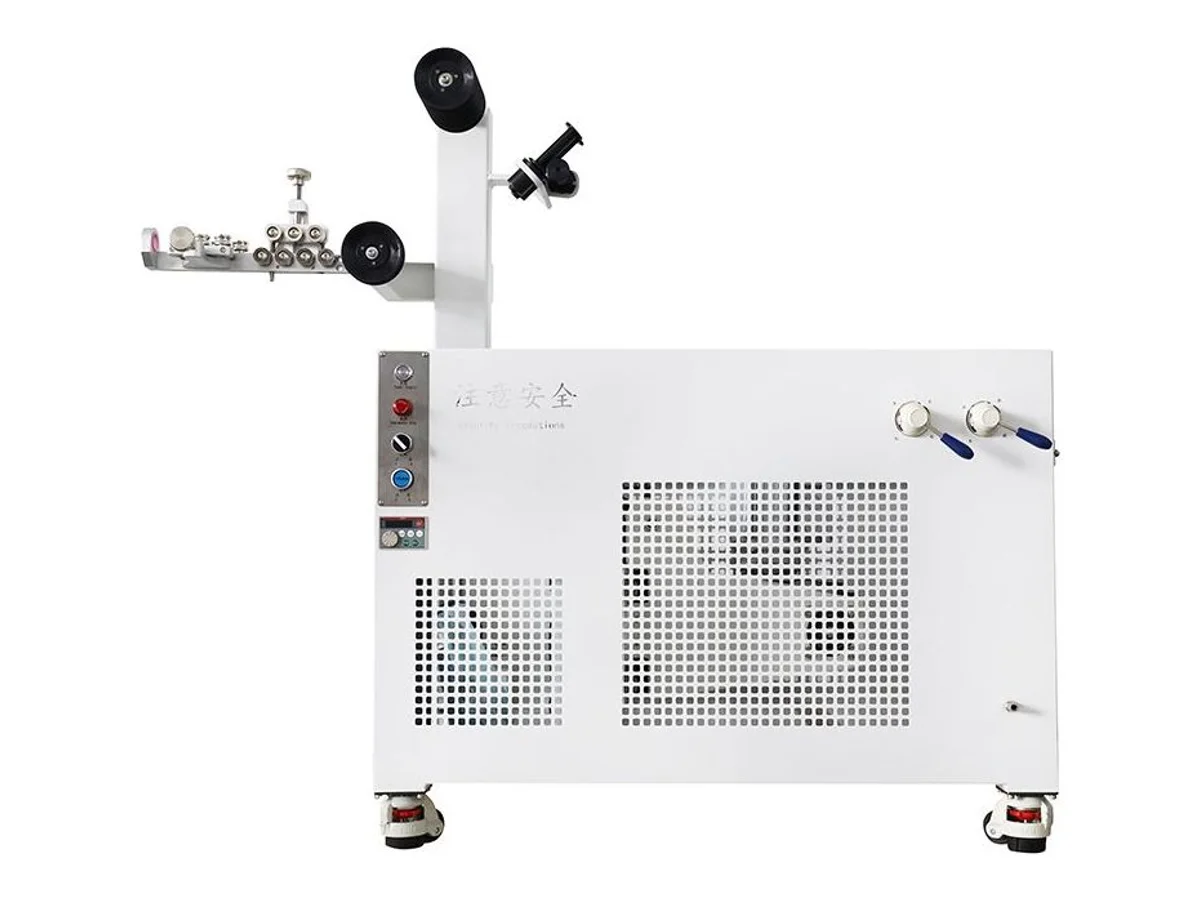
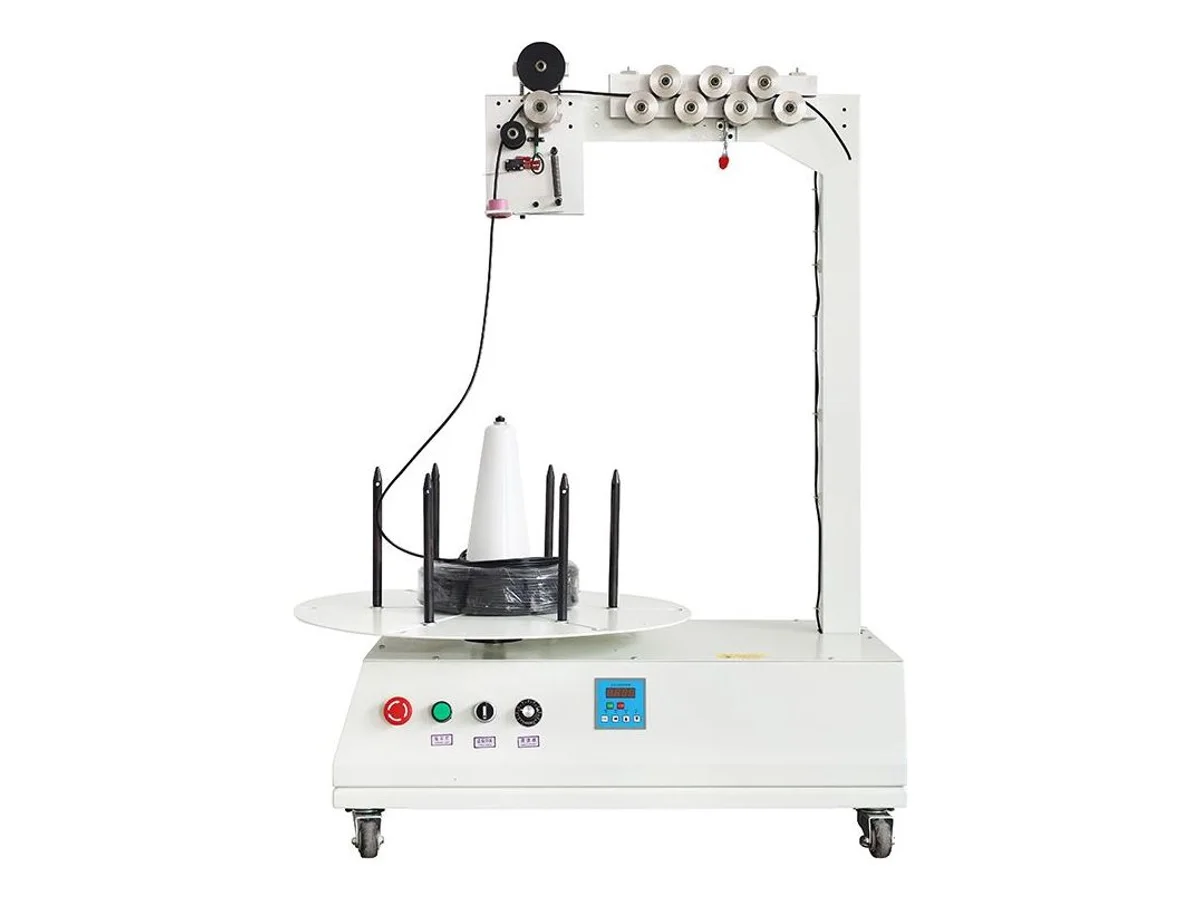
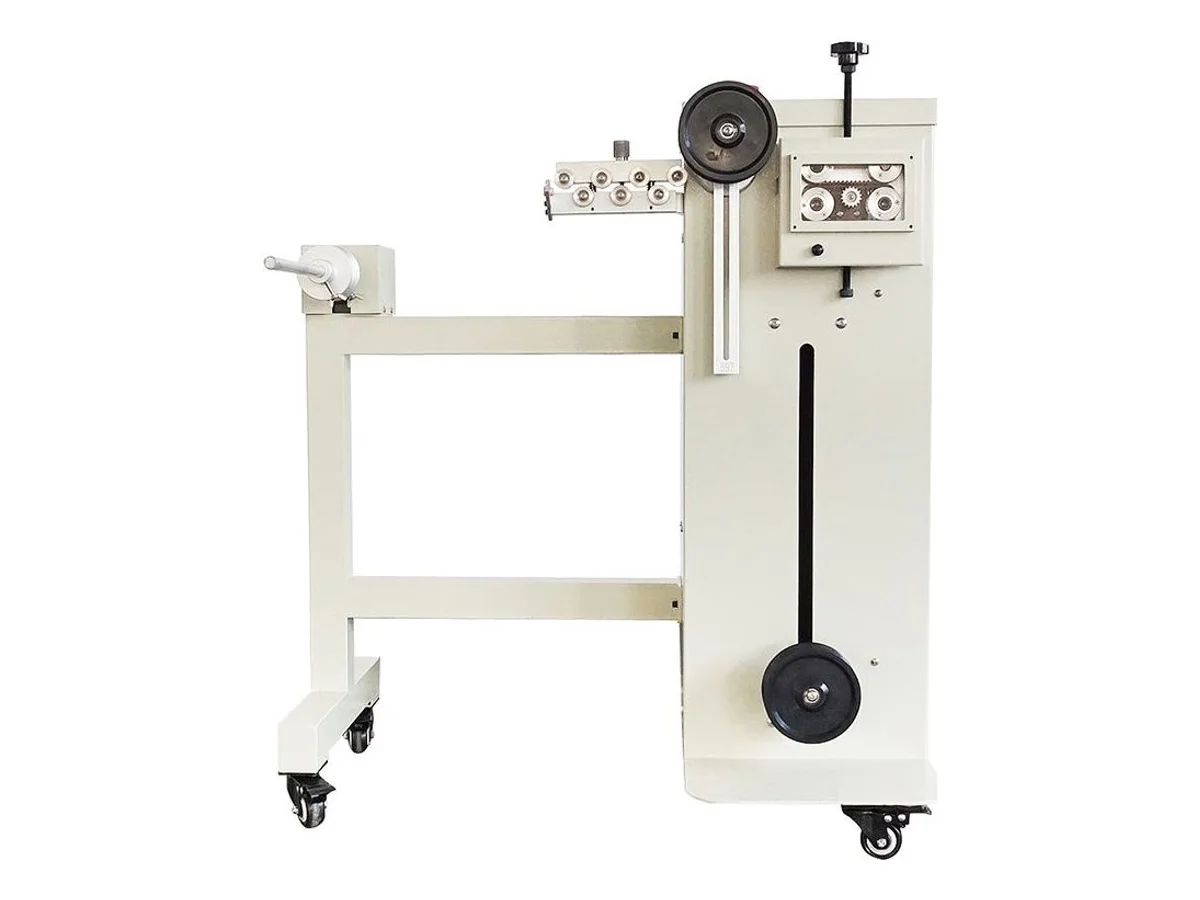
A cutting machine pulls in bursts; a heavy reel resists in bursts. The prefeeder's job is to sit between them and keep the wire slack, and the right one is decided by what your reel weighs and how it is wound. Bench class: the WM-9105C feeds Ø0.6–5 mm coaxial tension-free at up to 2.5 m/s, the WM-9332 handles 15 kg reels of Ø200–300 mm, the WM-9120T pre-feeds cable and tube from 20 kg reels at 1 m/s. Floor class: the WM-9150 takes 50 kg reels at 4 m/s, the WM-9309 pays off vertical coils of wire under Ø15 mm. Heavy class: the WM-9334 takes 250 kg spools up to Ø450 mm — rolled up a ramp, not lifted — and the WM-9151 shoulders 1.5-ton drums, paying off Ø3–45 mm cable at 100 m/min.
Provide the full reel weight, flange diameter, reel width, bore size, cable outer diameter and required feed speed. Include the downstream machine and whether it pulls continuously or in starts and stops.
Only when its support and control arrangement is suitable. Use the loose-coil group for machines designed around coils and turntables, and confirm loading dimensions before ordering.
Supply tension can affect feeding, but worn drive belts, wheel pressure and cable slip also matter. We check the line with your cable rather than treating a feeder as a guaranteed cure for every length error.
Engineering guidance for choosing this process and correcting the defects that affect finished-wire quality.
Selection guide
Choose a wire prefeeder or pay-off system by reel mass, line speed, acceleration, allowable tension, accumulation, dereeling control and downstream interface.
Read engineering guide →Troubleshooting guide
Troubleshoot cable tension spikes, reel overrun, loops, jerking, twist, feed slip, encoder mismatch and downstream cut-length variation.
Read engineering guide →Troubleshooting guide
Why a cut-and-strip machine that held length on a loose coil walks 10–20 mm once a heavy reel goes on, how misfeed detection works, and how to check reel tension, straighteners, feed grip and encoder calibration.
Read engineering guide →Troubleshooting guide
Delivery checks cover the supply voltage, interface language, transport condition, operating manual and replacement wear parts. What we set before shipment, and what to check in the first hour.
Read engineering guide →